

CDC: People living in the Southwest US need to be aware of dust storms that stir up dangerous fungal spores
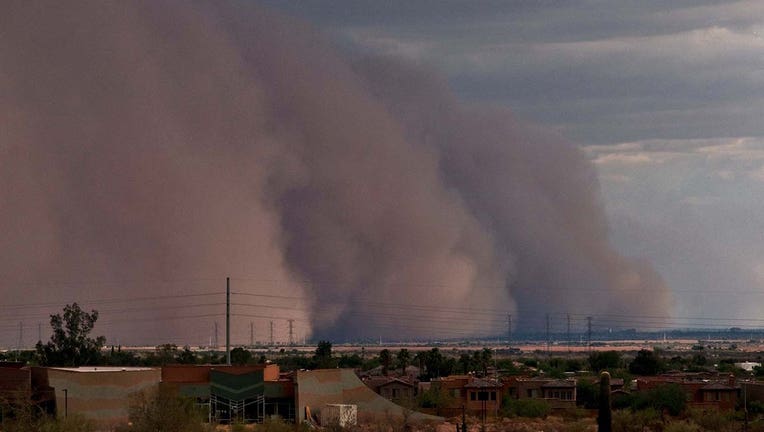
A large dust storm in Phoenix, Arizona. (Getty Images)
People living in the southwestern U.S. and Washington need to be aware of potential fungal storms that occur when weather events such as dust storms, high winds, and floods cause spores of the soil-dwelling Coccidioides species to release into the air. Inhalation of the spores causes Coccidioidomycosis, or Valley fever, a lung infection.
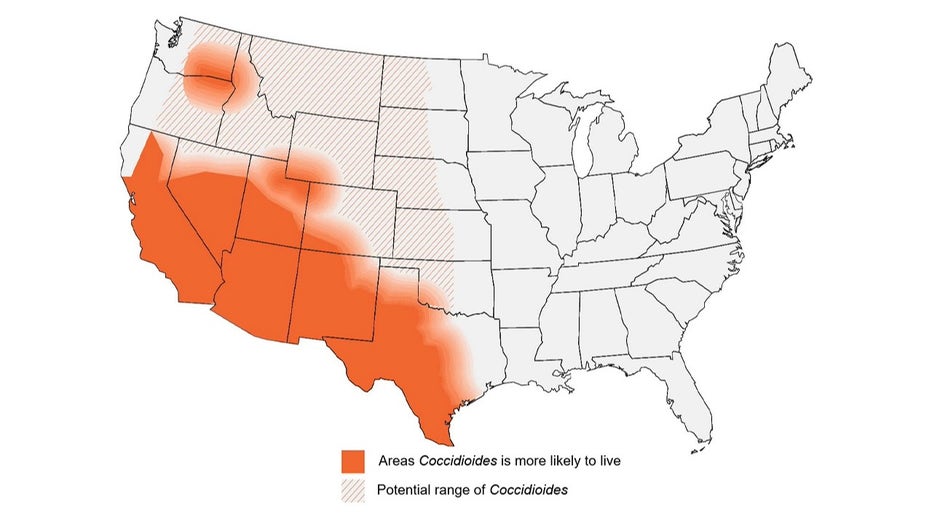
This map shows CDC’s current estimate of where the fungi that cause Valley fever live in the environment in the United States. The disease is also common in northern Mexico, including areas along the U.S. border, as well as parts of Central and South
About Valley fever
Valley fever (coccidioidomycosis) is a lung infection caused by breathing in spores from the fungus, Coccidioides. The Centers for Disease Control (CDC) says most people with a healthy immune system get better on their own within weeks or months without any treatment, but some may need a prescription of oral antifungals, to reduce symptoms or stop them from getting worse.
Symptoms of Valley fever include:
- Fatigue (tiredness)
- Cough
- Fever and headache
- Shortness of breath
- Night sweats
- Muscle aches or joint pain
- Rash on upper body or legs
People with weakened immune systems, diabetes, or severe lung disease may require more aggressive treatment.
The CDC says Valley fever has the same symptoms as pneumonias and is often misdiagnosed or undiagnosed, leading to ineffective treatments or delays in appropriate antifungal treatment for people who need it. The disease does not spread from person to person.

Generic photo of a doctor talking to a patient. via Getty Images
Study says changes are needed in how healthcare providers recognize and treat Valley fever
A new study by The Journal for Nurse Practitioners highlights the need to change how healthcare providers recognize and treat Valley fever, warning that delays in diagnosing Valley fever prolong the illness, driving unnecessary treatment and contribute to preventable deaths.
The study found that Valley fever cases have increased 10-fold since 1998 and have expanded beyond the southwestern United States. The study found that 80 percent of patients received unnecessary antibiotics before the correct diagnosis was made.
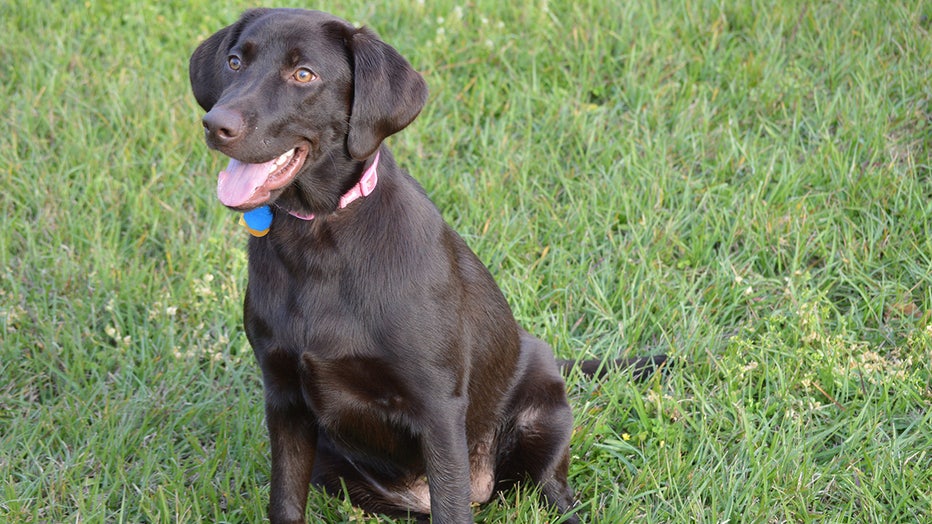
Dogs can become infected with Valley fever
Dogs can also become infected with Valley fever as dogs dig in soil which can expose them to the fungus.
VCA Animal Hospitals say a healthy adult dog's immune system will wall off the organisms in the spherules and no further problems will develop. In these cases, the signs of disease are usually very mild, and often the dog does not become visibly ill.
But dogs with a weak immune system and very young puppies and senior dogs are more susceptible to illness from Valley fever. Dogs that develop Valley fever will be treated with antifungal medication 6–12 months.
The disease does not spread between people and animals.
Research continues to see how weather affects the habitat of soil-dwelling Coccidioides species
Research continues on how weather affects the habitat of the fungus that causes Valley fever. Coccidioides grow in soil after heavy rainfall and when conditions become hot and dry, the fungus disperses into the air. The CDC says there have been increases in Valley fever cases in Arizona and California during hot, dry periods.
The Source: Information in this article was provided by the Centers for Disease Control (CDC), The Journal for Nurse Practitioners, VCA Animal Hospitals, University of Florida Health, and previous FOX Local reporting. This story was reported from Orlando.