

YouTube to add automatic AI labels for undisclosed generated content
(Photo Illustration by Thomas Trutschel/Photothek via Getty Images)
YouTube announced new measures aimed at improving transparency around AI-generated content, including more prominent disclosure labels and automatic detection tools that will begin rolling out this month.
The company said the updates are designed to make it easier for viewers to identify when videos contain photorealistic or significantly AI-generated or altered material, while still giving creators control over how their content is labeled.
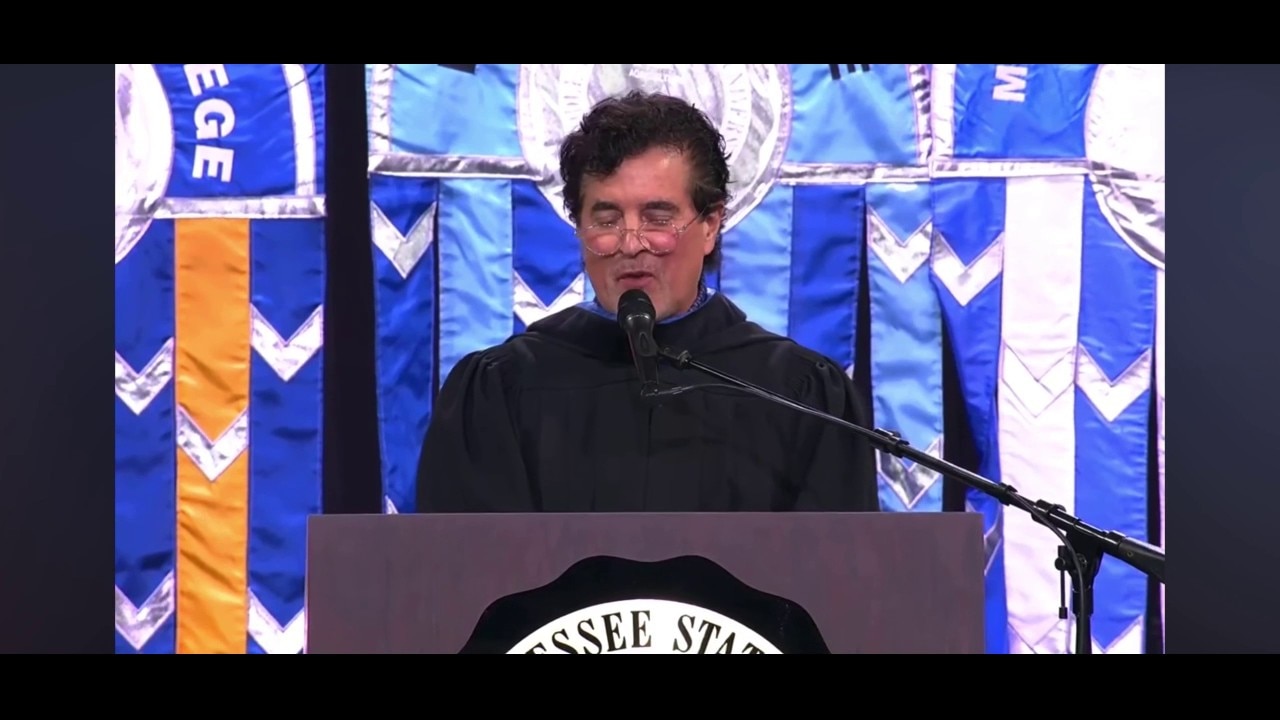
CEO fires back at graduates for booing AI during commencement speech
Big Machine Records CEO Scott Borchetta fired back at college graduates who booed when he discussed artificial intelligence (AI) during his commencement speech. (Middle Tennessee State University via Storyful)
What they're saying:
"We've heard consistently from our community that they value transparency when it comes to generative AI content. That’s why since 2024, we've been labeling content when creators disclose they've used AI tools," YouTube said in a blog post Wednesday.
RELATED: CEO defends AI after graduates boo commencement speech: 'Hear me now or pay me later'
"We've learned in that time about what people find useful when it comes to AI disclosures, and today we're making two updates that we think will make this process much simpler and more intuitive for creators and viewers on YouTube."
Dig deeper:
Under the changes, disclosure labels for realistic AI content will appear in more visible locations across the platform. On long-form videos, labels will now be displayed directly beneath the video player and above the description section. On YouTube Shorts, the labels will appear as overlays within the video itself.
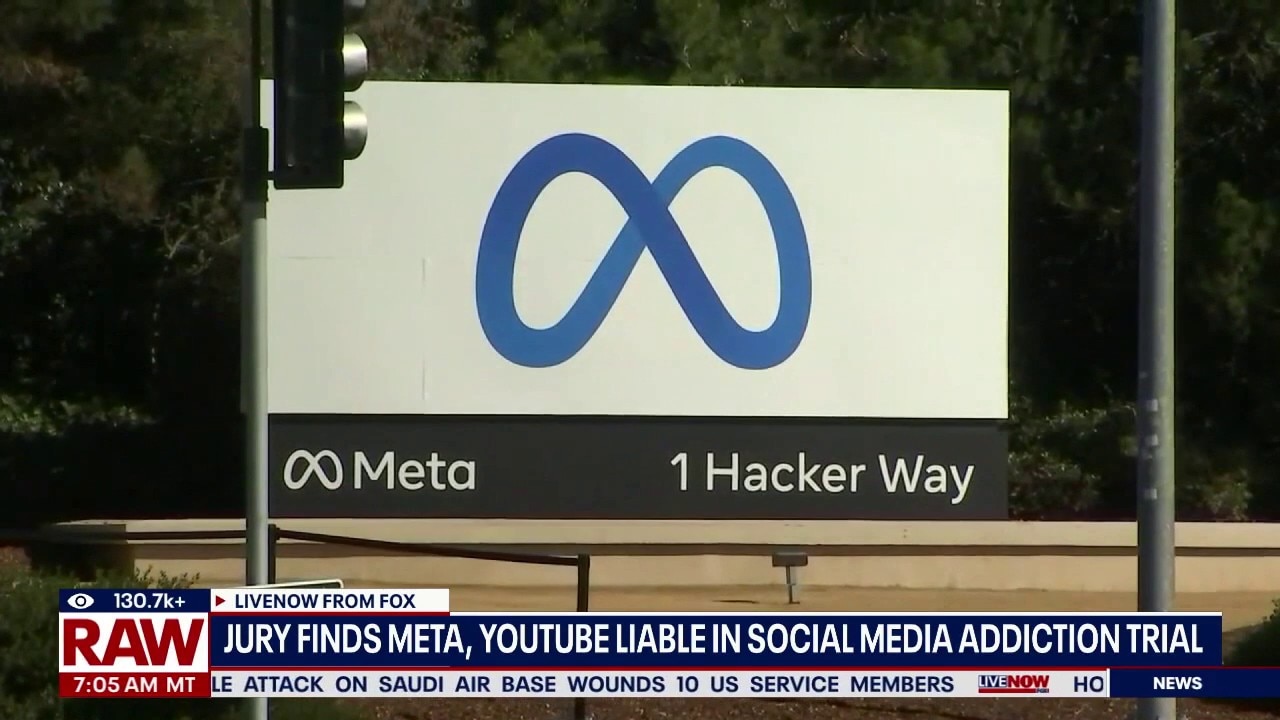
Jury finds Meta, Youtube liable in social media case
Meta and YouTube have been ordered to pay $6 million in the landmark social media addiction trial in Los Angeles. The combined $6 million verdict included punitive damages, and follows the jury’s finding of "malice, oppression, or fraud," specifically targeting the companies' intentional use of addictive design features. Star Kashman with Cyber Law Firm weighs in.
YouTube said the new format will serve as the standard disclosure label for all photorealistic and meaningfully AI-generated or modified content. Less significant edits, such as minor alterations or animated content, will continue to be disclosed within the expanded video description.
RELATED: Federal court rejects Elon Musk’s claims against OpenAI, saying he filed his lawsuit too late
The company is also introducing automated AI detection systems intended to supplement creator disclosures. Beginning in May 2026, YouTube will use internal detection signals to identify videos that contain substantial photorealistic AI-generated material.
If creators fail to disclose the use of AI and YouTube’s systems determine the content was significantly AI-generated, the platform will automatically apply a disclosure label.
Despite the rollout of automated detection, YouTube said creators will still be able to contest or update labels through YouTube Studio if they believe their content was incorrectly flagged. However, certain disclosures will remain permanent, including videos created with YouTube’s own AI tools such as Veo and Dream Screen, as well as content containing C2PA metadata indicating fully generative AI production.
Big picture view:
More American workers are experimenting with artificial intelligence in their jobs, but skepticism is still widespread.
New Gallup polling finds that while more employees are using AI frequently in their work, there’s been an uptick in alarm that new technologies will replace their jobs. Many workers who are not using AI say they prefer to work without it, have ethical oppositions to the technology or worry about data privacy.
RELATED: Not in my backyard: Most Americans oppose AI data centers, Gallup finds
Roughly 3 in 10 employees are frequent users of AI in their jobs, meaning they use it daily or a few times a week. About 2 in 10 are infrequent users, using AI tools at work a few times a month or a few times a year.
The Gallup poll found that about 4 in 10 workers say their organization has adopted AI tools or technology to improve organizational practices. About two-thirds of those workers say AI has had an "extremely" or "somewhat" positive impact on their individual productivity and efficiency at work.
The Source: The Associated Press contributed to this report. The information in this story comes primarily from a YouTube blog post published Wednesday outlining the company’s upcoming changes to AI-generated content disclosures and automated detection tools. This story was reported from Los Angeles.