

West Nile virus season’s fastest start in decades spurs warning before 4th of July
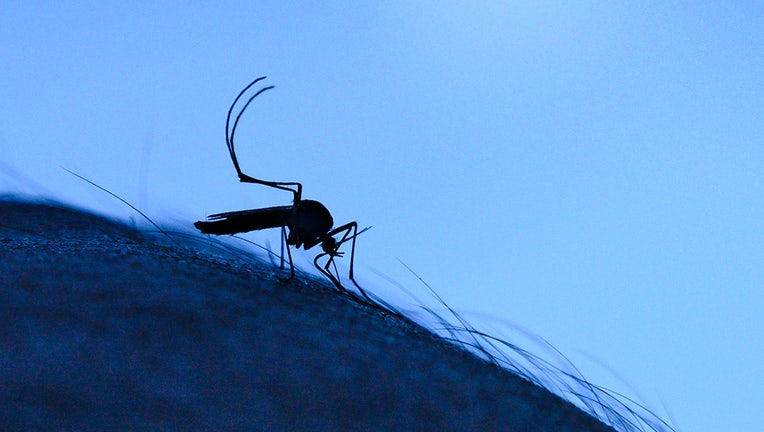
The Aedes mosquito is a known vector for several viruses, including West Nile virus, yellow fever virus, dengue virus, chikungunya virus, and Zika virus.(Photo by Soumyabrata Roy/NurPhoto via Getty Images)
The Centers for Disease Control and Prevention explained Wednesday that 2004 was the last time the number of human cases going into July was this high. Since then, there has been an average of 10 cases at this point of the year.
This year, there have been 48 cases, 32 of which have led to severe neuroinvasive diseases, CDC numbers show. Twelve states have reported cases. Arizona, by far, has had the most cases with 32 reported.
What they're saying:
"These findings serve as an important reminder that mosquito season is well underway," said CDC Medical Epidemiologist Dr. Erin Staples. "As families gather outdoors to celebrate Independence Day, we encourage everyone to enjoy their holiday while taking simple steps to protect themselves and their loved ones from mosquito bites."
What you can do:
The CDC offered some tips on how to avoid mosquito bites for people who plan to head outdoors over the holiday weekend, starting with using an insect repellent that is registered with the Environmental Protection Agency. Here is the full list, as detailed by the CDC:
- Use an insect repellent registered with the Environmental Protection Agency.
- Wear long, loose-fitting shirts and pants so it is harder for mosquitoes to bite your skin.
- Avoid being outside between dusk and dawn when the mosquitoes that spread West Nile virus are most active.
- Use screens on windows and doors or air conditioning, if available, to keep mosquitoes outside.
Why you should care:
The CDC points out that there are several thousand cases and around 100 deaths on average linked to West Nile virus. Most people who are infected do not end up showing symptoms, but approximately one in five develop a fever or show other signs of the disease. Less than one percent develops severe neurologic disease that can result in a long-term disability or death.
The Source: Information for this article was taken from the Centers for Disease Control and Prevention. This story was reported from Orlando.