

Study finds social media could alter teens' sleep patterns

Teens use social media to self-diagnose issues
Dr. Aja Chavez, Executive Director of Adolescent Services at Mission Prep, joins LiveNOW's Austin Westfall to examine why teens are using social media to self-diagnose mental health issues.
LOS ANGELES - For many kids, turning 13 is a milestone that comes with more freedom, but it also brings a hidden cost. New research shows that once teens are old enough to officially sign up for social media platforms, their bedtime routines shift in ways that cut into the sleep they need most.
The study, published in Sleep Health: Journal of the National Sleep Foundation, analyzed more than 10,000 adolescents between ages 12 and 13. Researchers found that as soon as teens gained access to apps like TikTok, Instagram, and Snapchat, their screen time in bed increased significantly — and their sleep paid the price.
More than 70% of adolescents in the study had a device in their bedroom. As they aged within that one-year window, they became more likely to watch videos, check social media, or text while in bed.
Researchers found clear patterns in how often teens used screens at night:
- About 61% watched videos in bed at least once in the past week.
- Roughly 44% checked social media from bed.
- Just over half listened to music before falling asleep.
- Around 46% texted or called after lights out.
Each of these behaviors was linked to less restful sleep, and the interruptions often carried into the night. About one in four teens reported being woken up by calls, texts, or emails, and many admitted to picking up their devices again after waking.
The backstory:
The research is part of the Adolescent Brain Cognitive Development (ABCD) project, one of the largest ongoing studies of youth in the United States. The team said they expected screen use to increase around 13 because most major platforms set that as the minimum sign-up age.
Peer pressure and fear of missing out also intensify during this stage of adolescence, making it harder for teens to put their phones away at bedtime.
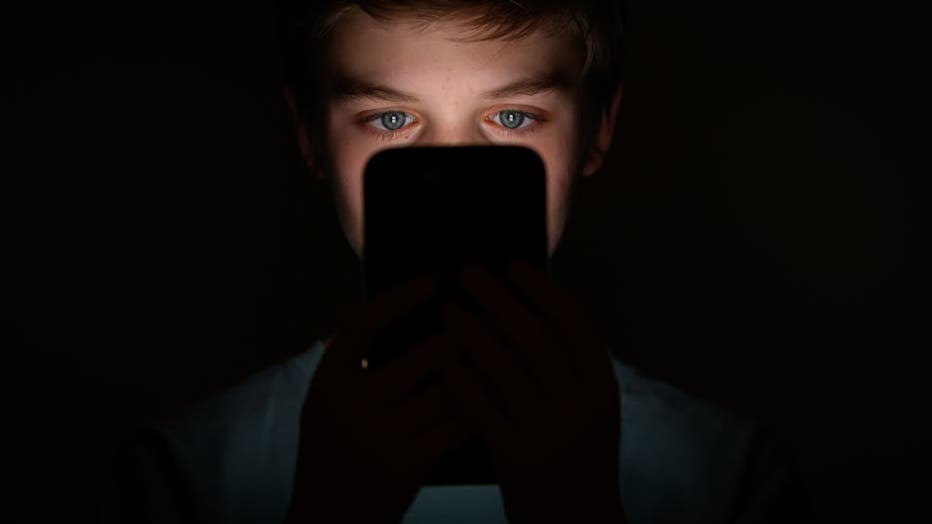
A teenager looks at a smartphone in a dark room, a habit researchers say is linked to shorter and more disrupted sleep among adolescents. (Photo by Leon Neal/Getty Images)
Sleep gaps across demographics
Not all teens used screens in the same way. The study found:
- Girls reported more screen use in bed than boys, though boys experienced more nighttime disturbances.
- Black, Latino, and Native American teens reported more bedtime screen use than White peers, even when accounting for family income and education.
- Asian adolescents reported lower average use.
- Teens from lower-income households and those with less-educated parents were more likely to use screens at night.
- Sexual minority teens reported higher screen use, though it was not tied to worse sleep outcomes, suggesting online spaces may provide important social support.
Why you should care:
Doctors say puberty naturally shifts teens toward later bedtimes, already making it harder to get enough rest. Adding late-night screen use makes the problem worse, and consistent sleep loss can affect school performance, mental health, and long-term well-being.
What's next:
Researchers recommend pediatricians and educators give "anticipatory guidance" — advice before problems take hold — about screen limits at bedtime. Family media plans, such as those promoted by the American Academy of Pediatrics, may help set boundaries, but experts caution that one-size-fits-all rules are unlikely to work.
Community programs, culturally relevant messaging, and safe alternatives for evening activities may be more effective in helping families protect teen sleep.
The Source: This report is based on research published in Sleep Health: Journal of the National Sleep Foundation and led by Dr. Jason Nagata at UC San Francisco. Additional details came from the Adolescent Brain Cognitive Development (ABCD) Study, funded by the National Institutes of Health and federal partners.