

'Dirty Myrtle' is now the hottest US metro for seniors
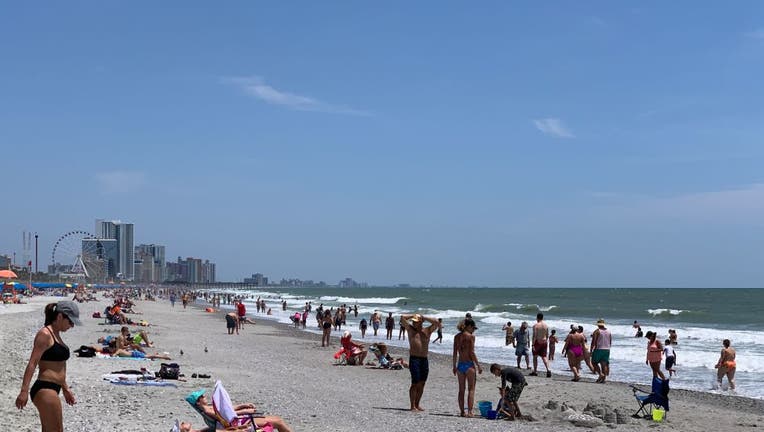
Visitors pack the shoreline in Myrtle Beach, South Carolina — a beach town once known for spring breakers, now booming as a retirement destination. (Photo by Daniel SLIM / AFP)
Once known for its loud biker rallies and budget party scene, Myrtle Beach is now booming for a very different reason: retirees.
The South Carolina beach town — nicknamed "Dirty Myrtle" in its nightclub heyday — has quietly become the fastest-growing metro in the country for senior citizens, according to new U.S. Census Bureau estimates. The number of residents aged 65 and older in the area jumped by 6.3% last year, more than double the national senior growth rate of 3.1%.
That shift has been underway since the pandemic, when remote work and early retirement allowed more people to settle down somewhere warm, tax-friendly, and scenic. Myrtle Beach’s beaches, golf courses, and quieter post-tourism atmosphere have become a draw not just for snowbirds, but permanent residents looking for a slower pace.
Why is Myrtle Beach growing so fast among retirees?
The backstory:
The Myrtle Beach metropolitan area has seen a 22% increase in its senior population since 2020 — the largest such rise in the country this decade. Older adults now make up more than a quarter of the region’s approximately 413,000 residents.
Long associated with spring breakers and motorcycle rallies, Myrtle Beach has undergone a cultural shift in recent years. The city once cracked down on biker events due to noise and congestion, and now its streets feature more pickleball courts than party bars.
Mark Kruea, longtime public information officer for Myrtle Beach and current mayoral candidate, attributed the trend to a mix of climate, affordability, and lifestyle appeal.
"Many people converted that thought into action," Kruea said. "The climate’s great, taxes are low, there’s a wealth of opportunities for recreation, dining and shopping."
What we know:
- Myrtle Beach led the nation in senior population growth last year at 6.3%.
- The 65+ population now accounts for more than 25% of the metro area.
- The COVID-19 pandemic accelerated retirement decisions and relocations, especially from northern states like New York and Ohio.
What we don't know:
- Whether the region’s infrastructure — healthcare, housing, and transportation — will keep pace with the rapid aging population.
- How this demographic shift will affect local politics, public services, and employment.
- Whether younger populations will continue to decline as retirees dominate the growth trend.
How does Myrtle Beach compare to national aging trends?
By the numbers:
The U.S. senior population rose 3.1% last year, while the number of children under 18 declined by 0.2%. Since 2000, the percentage of seniors in the U.S. has climbed from 12.4% to 18%, while the share of children dropped from 25% to 21.5%.
States where seniors now outnumber children include Maine, Vermont, and Florida — and as of last year, they’ve been joined by Delaware, Hawaii, Montana, New Hampshire, Oregon, Pennsylvania, Rhode Island, and West Virginia.
Maine holds the title for the oldest median age at 44.8, while Utah has the youngest at 32.4.
What’s happening with other demographic shifts across the U.S.?
Dig deeper:
While Myrtle Beach leads the senior surge, other metro areas are seeing distinct trends among other groups.
- The Hispanic population grew by 1.9 million last year, reaching 20% of the U.S. population for the first time. New York, Houston, and Miami saw the biggest increases in numbers.
- For Black residents, the largest growth in numbers came from Houston, New York, and Dallas-Fort Worth.
- Asian population growth was concentrated in New York, Dallas-Fort Worth, and Seattle.
The non-Hispanic white population declined slightly overall but saw the highest growth in Myrtle Beach, Daphne-Fairhope (Alabama), and Wilmington (North Carolina).
What's next:
As more seniors move in, Myrtle Beach may need to expand healthcare access, senior housing, and public transportation tailored to an older demographic. Its long-term growth could depend on how well it balances retiree appeal with retaining younger residents and workers to support its services and economy.
The Source: This article is based on new U.S. Census Bureau population estimates released in June 2025. Additional context and quotes were drawn from reporting by the Associated Press, which highlighted Myrtle Beach’s transformation into a retirement destination and analyzed national demographic shifts.