

Iran war latest: Republicans alarmed by Pentagon's plan to pull troops from Germany
President Donald Trump has rejected Iran’s latest proposal to end the war as the conflict enters its third month.
"They want to make a deal, I’m not satisfied with it, so we’ll see what happens," Trump said Friday. He didn’t elaborate but expressed frustration with Iran’s leadership, calling it "very disjointed."
Despite the extension of a shaky ceasefire agreement, Iran continues to keep a tight grip on the Strait of Hormuz, and the U.S. Navy’s blockade on Iranian ports remains.
The war’s impact on oil prices has raised the cost of food, fuel and other products that are made from petroleum.
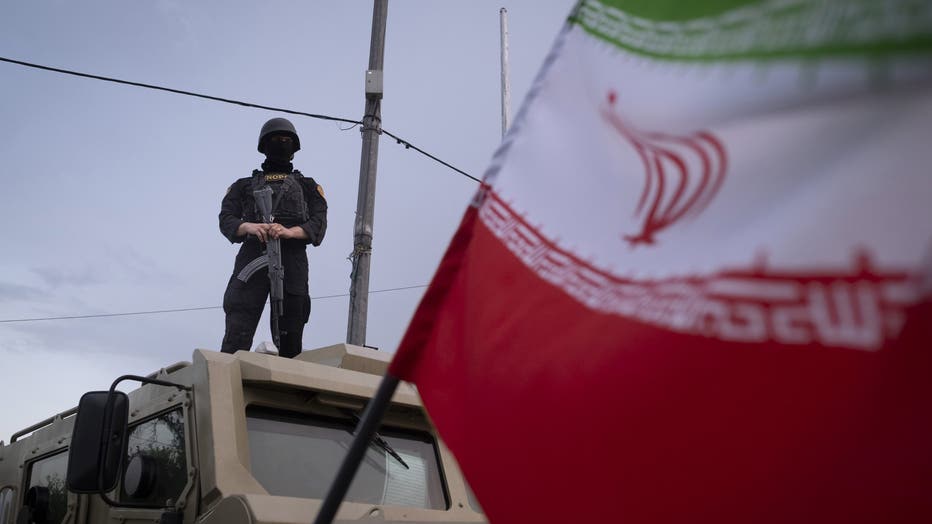
An armed Iranian police officer stands guard on an armored vehicle, monitoring the area during a state-run religious rally in downtown Tehran, Iran, on April 29, 2026, as a ceasefire is extended. (Photo by Morteza Nikoubazl/NurPhoto via Getty Images)
The U.S. has spent an estimated $25 billion so far on the war.
Here's the latest from Saturday:
Trump reviewing new Iranian proposal to end war
6:45 p.m. ET: President Donald Trump said on Saturday that he was reviewing a new Iranian proposal to end the war.
"I’ll let you know about it later," he said before boarding Air Force One, adding that "they’re going to give me the exact wording now."
Two semiofficial Iranian outlets, Tasnim and Fars, believed to be close to Iran’s paramilitary Revolutionary Guard, said Iran has sent a 14-point proposal via Pakistan in response to a nine-point U.S. proposal.
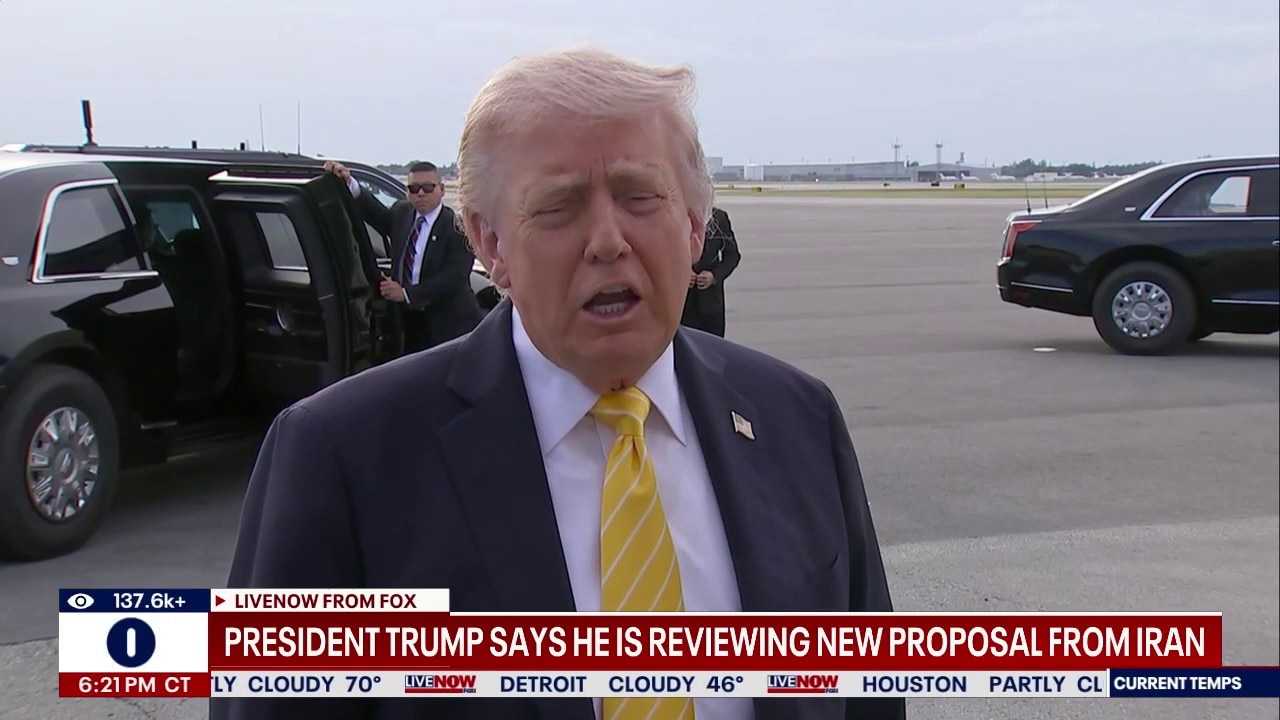
Trump says he is reviewing a new Iranian proposal
President Donald Trump spoke about a potential new deal with Iran while being questioned by reporters in Florida. He said that he was reviewing the most recent Iranian proposal to end the conflict, "I'll let you know about it later." Trump also went on to address the debate over whether the United States would be better off without an agreement, while also confirming that a deal could still be in the works. "They told me about the concept of the deal. They're going to give me the exact wording now," he explained.
GOP lawmakers ‘very concerned’ over Germany troop drawdown
1:05 p.m. ET: Some Republican lawmakers are sounding alarms after the Pentagon announced its plans to withdraw 5,000 U.S. troops from Germany in the next six to 12 months, following through with Trump’s threat as he clashes with the German leader over the Iran war.
Trump had threatened to withdraw some troops from Germany, a NATO ally, earlier this week after Chancellor Friedrich Merz said the U.S. was being "humiliated" by Iranian leadership and criticized Washington’s lack of strategy in the war.
Sen. Roger Wicker and Rep. Mike Rogers, the Republican chairs of the Senate and House armed services committees, said they are "very concerned."
"Germany has stepped up in response to President Trump’s call for greater burden sharing, significantly increasing defense spending and providing seamless access, basing, and overflight for U.S. forces in support of Operation Epic Fury," the two lawmakers said in a joint statement.
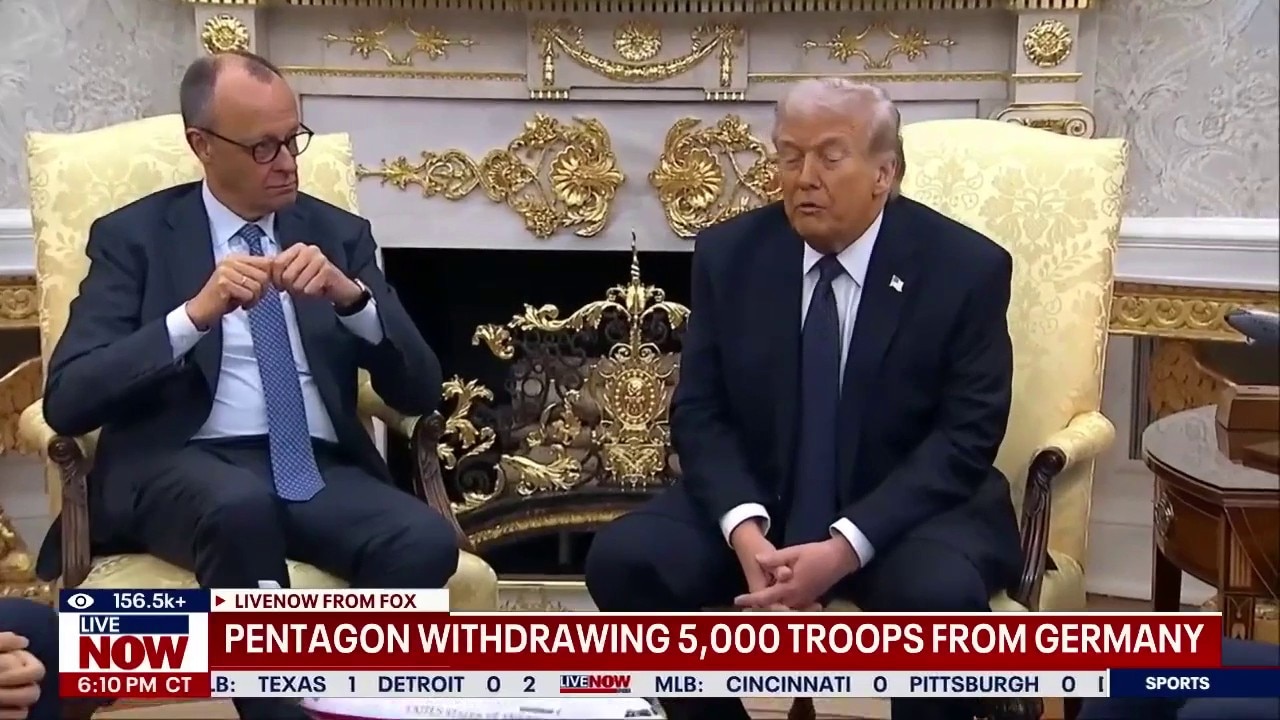
Pentagon withdrawing 5,000 U.S. troops from Germany
The United States will withdraw about 5,000 troops from Germany in the next 6–12 months, the Pentagon confirmed on Friday. National security analyst Hal Kempfer joins LiveNOW to react.
"The reality remains that even as allies move toward spending 5% of GDP on defense, translating that investment into the military capability needed to assume primary responsibility for conventional deterrence will take time. Prematurely reducing America’s forward presence in Europe before those capabilities are fully realized risks undermining deterrence and sending the wrong signal to Vladimir Putin."
The withdrawal plans mark a new deterioration in U.S. relations with Germany, and European allies more broadly: Trump has expressed exasperation over NATO allies' unwillingness to join his campaign with Israel against Iran, and has lashed out at leaders like Merz, Spanish Prime Minister Pedro Sánchez and British Prime Minister Keir Starmer.
Trump also accused the EU of not complying with its U.S. trade deal and announced plans to increase tariffs next week on cars and trucks produced in the bloc to 25%, a move that would be particularly damaging to Germany, a major automobile manufacturer.
US warns ships not to pay Iran to cross Strait of Hormuz
9 a.m. ET: The United States is warning shipping companies against paying Iran to safely cross the Strait of Hormuz. The critical waterway, where a fifth of the world's trade in oil and natural gas was passing daily, has been mostly closed since the war began. Iran began attacking and threatening ships after the U.S. and Israel launched the war, but later began offering some ships safe passage for a fee.
Now, the U.S. says shipping companies could face sanctions for making payments to Iran in exchange for safe passage.
The U.S. says payment demands could include transfers not only in cash but also "digital assets, offsets, informal swaps, or other in-kind payments," including charitable donations and payments at Iranian embassies.
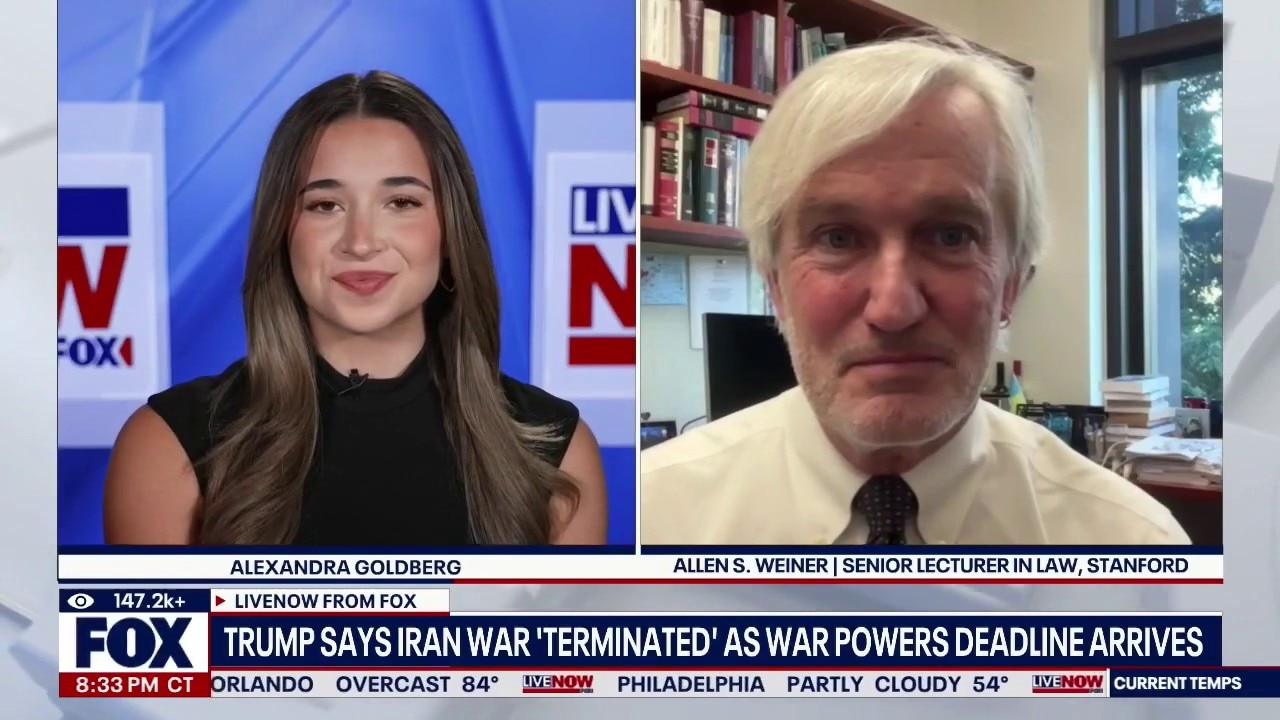
Trump says Iran war 'terminated' as war powers deadline passes
Allen Weiner, senior lecturer in law at Stanford University, joins LiveNOW's Alexandra Goldberg to discuss the War Powers Act in relation to the conflict in Iran, which has now hit the 60-day mark.
War Powers deadline passes as lawmakers call for vote
The May 1 deadline for Congress to intervene in the war came and went Friday without any action.
The War Powers Resolution of 1973 says Congress must declare war or authorize the use of force within 60 days of being notified of an attack. If Congress doesn't authorize further action, the resolution requires that the president "terminate any use" of the armed forces. The law allows the president to extend the period for an additional 30 days to safely withdraw forces from hostilities, but it does not grant him authority to continue an offensive campaign.
RELATED: Trump rejects Iran’s offer, Pentagon CFO gives cost of war so far
The Senate rejected another Democratic attempt to stop the war, but some Republicans have signaled they want a vote on Iran. For the first time, Sen. Susan Collins voted with Democrats to stop the war, saying she wants to see a defined strategy to end the conflict.
"The president’s authority as commander-in-chief is not without limits," Collins said, adding that the 60-day deadline is "not a suggestion, it is a requirement."
Other GOP senators have also said they want to see a vote.
"It is time for decision-making from both the administration and from Congress — and that can happen in league with one another, not in conflict," said Sen. John Curtis.
The Source: This article includes information from The Associated Press and previous FOX Local reporting.