

Florida cyclosporiasis cases up to 60: Here's where, when, latest updates
Cyclosporiasis: How to prevent the produce parasite (Previous coverage)
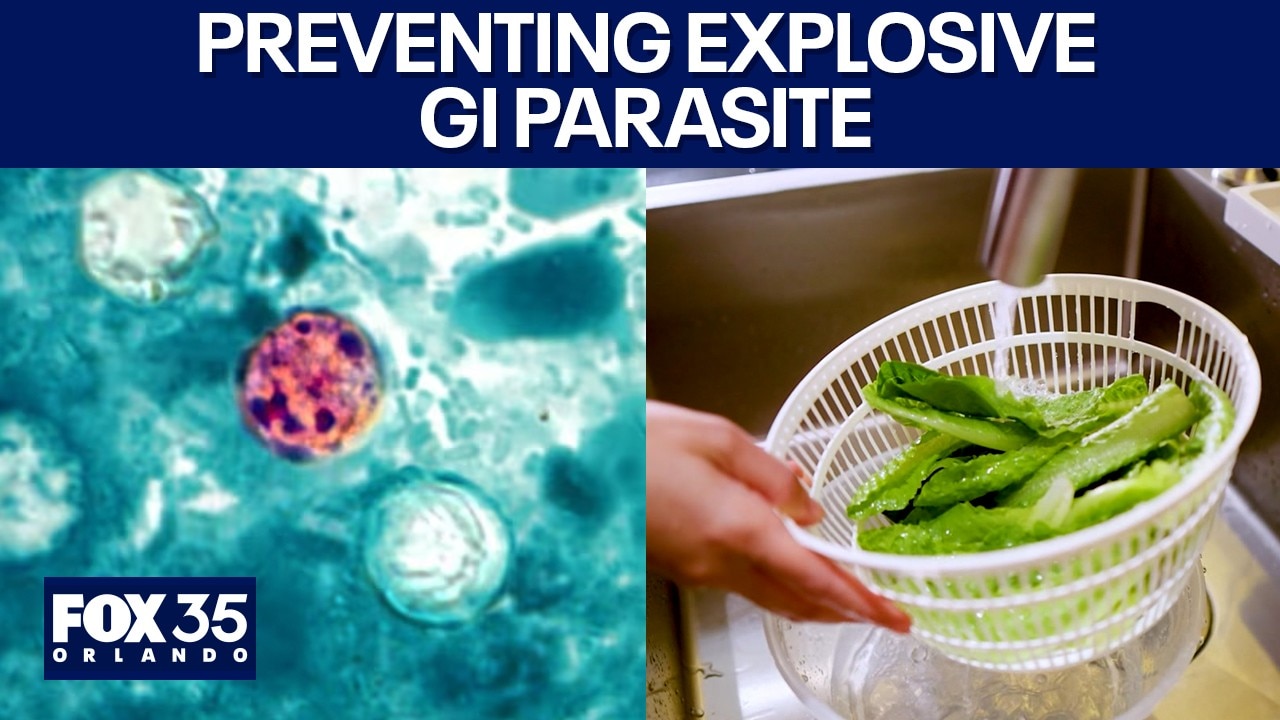
Cyclosporiasis, an illness caused by a parasite that leads to explosive diarrhea, has cases in 31 states. Its cause, Cyclospora cayetanensis, is often found on raw, imported produce like leafy greens, cilantro, basil, and raspberries. FOX 35's Garrett Wymer speaks with Dr. George Rust of FSU College of Medicine about where this parasite comes from, what it does and what you can do to avoid getting it.
ORLANDO, Fla. - More than 30 states have reported confirmed cases of Cyclosporiasis, a gastrointestinal infection from a parasite that can sometimes lead to frequent, watery, and explosive diarrhea, according to the U.S. Centers for Disease Control.
Since Jan. 1, 2026, there have been at least 60 cases of confirmed or suspected cases of Cyclosporiasis in Florida, the majority of them reported in June, according to the Florida Department of Health's Reportable Diseases Frequency Report.
Cyclosporiasis in Florida: County-by-County
Local perspective:
- Alachua: 1
- Bay: 1
- Brevard: 1
- Broward: 5
- Collier: 2
- Columbia: 1
- Duval: 1
- Escambia: 1
- Flagler: 1
- Gadsden: 1
- Highlands: 1
- Hillsborough: 2
- Lake: 2
- Lee: 11
- Miami-Dade: 9
- Orange: 4
- Osceola: 2
- Palm Beach: 2
- Pasco: 1
- Pinellas: 1
- Polk: 2
- Seminole: 2
- St. Johns: 2
- Sumter: 2
- Volusia: 2
Cyclosporiasis cases: Month by month breakdown
Timeline:
Here is a look at Cyclosporiasis cases in Florida reported in 2026 – and the month the cases were reported.
- January: 4 cases
- February: 2 cases
- March: 1 case
- April: 3 cases
- May: 2 cases
- June: 42 cases
- July: 6 cases
What is Cyclosporiasis?
Cyclosporiasis is a type of food poisoning caused by the parasite Cyclospora, which impacts the GI tract and can cause frequent, watery, and/or explosive bowel movements.
It is usually not life-threatening, according to the CDC.
How do you get it? How does it spread?
It's typically spread by drinking water or food contaminated with poop, the CDC said. Previous outbreaks in the U.S. have been linked to fresh fruits and/or vegetables, the CDC said.
According to the CDC, it typically takes between 7–14 days (or 1–2 weeks) to begin feeling impacts after being infected. Because of that, the CDC said person-to-person transmission is unlikely.
The Florida Department of Health said reports of Cyclosporiasis usually increase in the summer, between May and September.
How do you prevent Cyclosporiasis?
Avoid drinking contaminated water or eating contaminated food, and follow guidelines to properly clean, prepare, and store foods, like fresh fruits and vegetables.
What caused the outbreaks?
So far, the CDC said several states are investigating "clusters" of Cyclosporiasis. However, no one has linked the most recent outbreaks to a specific food, supplier, or manufacturer.
The Source: The Florida Department of Health and U.S. Centers for Disease Control and Prevention.