

DeSantis bans license plate readers on state roads after approving millions in funding for them: Report
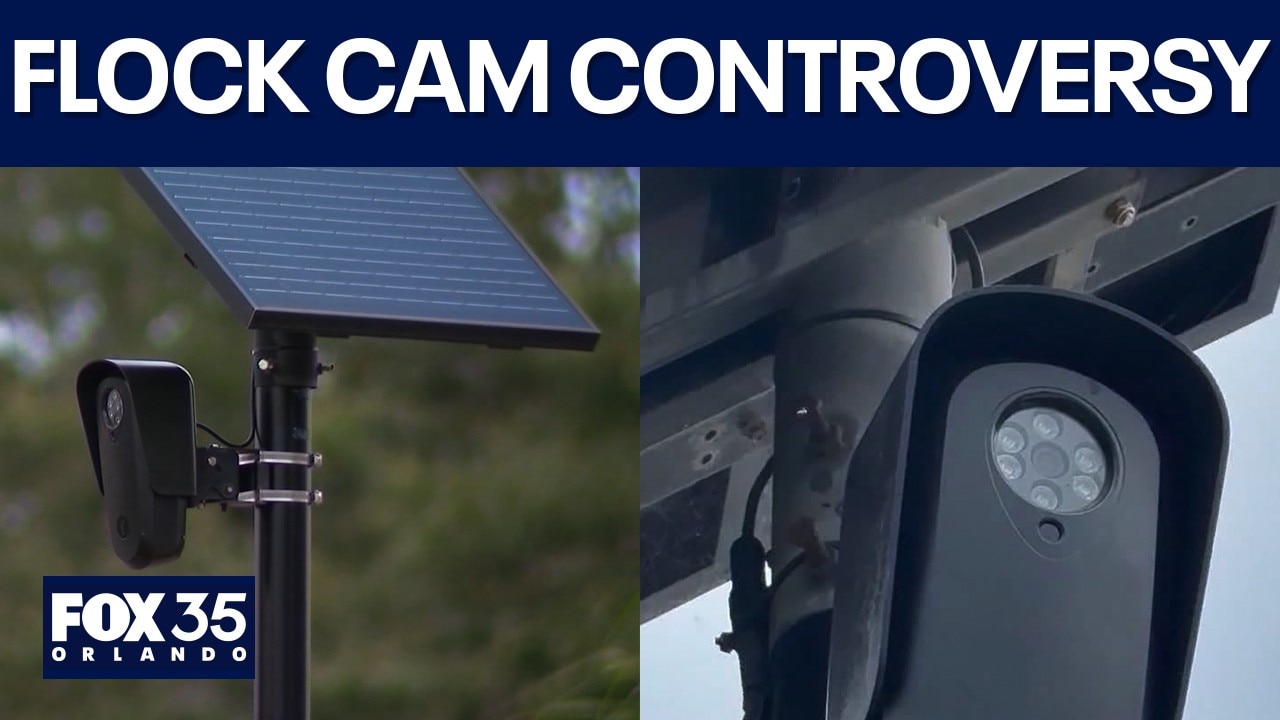
Controversy around Florida flock camera surveillance
Florida has begun removing all local Flock license plate recognition cameras from state roads following privacy concerns from residents who fear constant surveillance. FOX 35’s Chris Lindsay joins Garrett Wymer live to discuss the fallout as Florida counties adjust to the new mandate.
ORLANDO, Fla. - Gov. Ron DeSantis has halted the use of automated license plate readers on Florida state roads, arguing the technology could enable government overreach and threaten personal privacy.
The move comes despite his administration approving millions of dollars in grants over the past year for local agencies to buy the same technology for immigration enforcement, according to reporting by the News Service of Florida.
What changed
What we know:
DeSantis and the Florida Cabinet, acting as the State Board of Immigration Enforcement, have approved about $4.6 million in grant requests from 18 local law enforcement agencies for roughly 440 license plate readers since September 2025. The grants are part of a broader $250 million immigration enforcement initiative proposed by the governor in 2025 to support local agencies working with U.S. Immigration and Customs Enforcement.
Although about $147 million in grants has been approved, only about $21 million has been distributed, the News Service of Florida reports.
Grant applications made clear the cameras would be used to identify suspected human smuggling routes and assist immigration enforcement. St. Johns County, for example, proposed placing cameras along Interstate 95 and said the system would retain data for up to one year to help investigators establish travel patterns and identify potential home and work locations.
The cameras, produced by companies including Flock Safety, use artificial intelligence to capture license plates while also identifying vehicle make, model, color and other characteristics.
On Monday, the Florida Department of Transportation notified local agencies it would no longer allow license plate readers on state-owned roads and would stop issuing future permits.
The directive requires agencies that already have cameras installed on state roads to remove them within 30 days.
Several sheriff's offices quickly announced they would dismantle or deactivate their systems, including Brevard, Bradford, Jacksonville and Volusia counties.
What we don't know:
It remains unclear how the state intends to reconcile previously approved immigration enforcement grants with the new restrictions on license plate readers.
The governor's office did not respond to requests from the News Service of Florida for comment explaining why the administration approved millions of dollars for the technology before deciding to prohibit its use on state roads.
It is also unclear whether agencies that received grants but have not yet installed cameras will be required to return funding or modify their plans.
Effective law enforcement vs. misuse
The backstory:
License plate readers have become increasingly common among law enforcement agencies nationwide because they can quickly identify stolen vehicles, wanted suspects and vehicles tied to criminal investigations.
At the same time, privacy advocates and lawmakers from both parties have raised concerns that long-term storage of vehicle location data could allow authorities to track the daily movements of law-abiding residents.
Those concerns have grown following several high-profile misuse cases.
‘The right call right now is to take them down’
What they're saying:
DeSantis defended the state's decision to halt the technology, warning about its potential for criminal investigations.
"If they can create a dossier on your movements, they would be able to make a fortune in selling that to companies for advertising and product placement."
Bradford County Sheriff Gordon Smith acknowledged the investigative value of the cameras but said public concerns ultimately influenced his decision.
"These systems have helped us work cases and find people who needed to be found. They are a useful tool."
"But the state has made its decision, and I have heard from people in our community who are uneasy about this technology. Given both of those things, I believe the right call right now is to take them down."
Big picture view:
The episode highlights competing priorities within Florida's immigration enforcement strategy. State leaders have invested heavily in technology designed to help local agencies identify and intercept people suspected of violating immigration laws while simultaneously raising concerns about the broader privacy implications of that same technology.
The policy shift leaves many agencies reassessing recently approved projects and raises questions about how Florida will balance aggressive immigration enforcement with growing concerns over government surveillance.
The Source: This story was written based on reporting by the News Service of Florida.