

Bay Area dengue cases rise to 33 as mosquito spraying ramps up
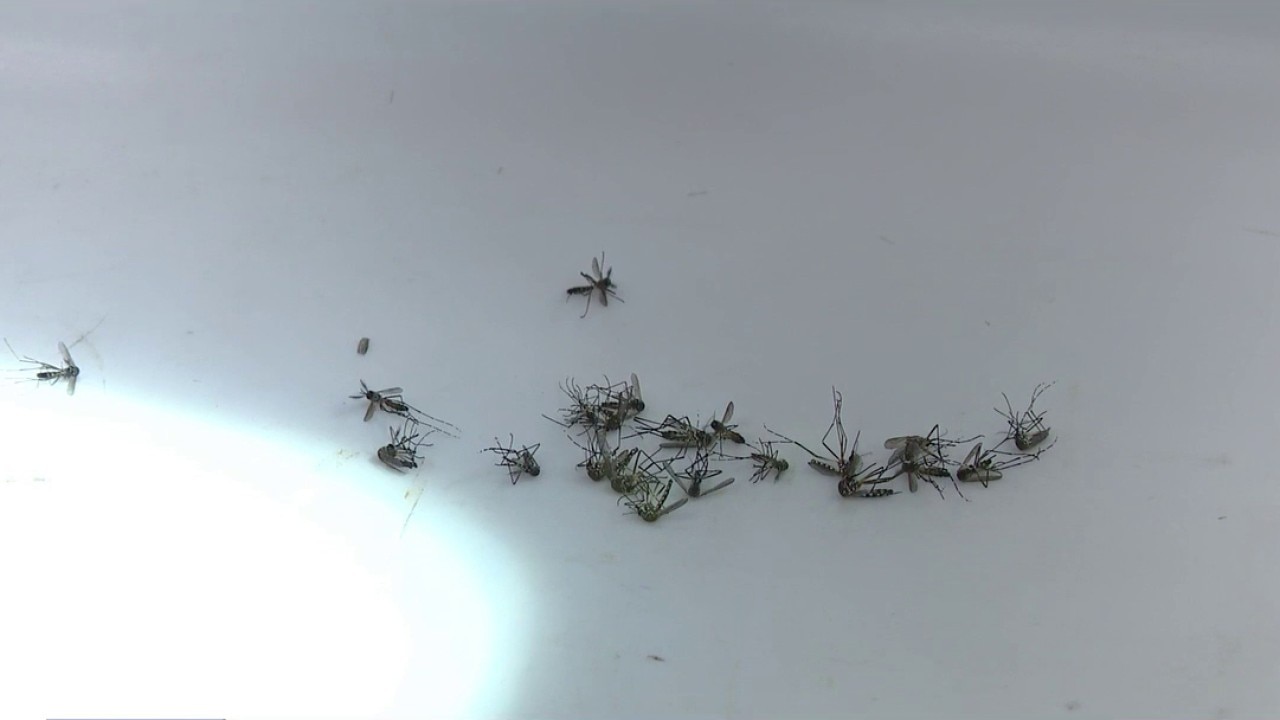
PREVIOUS COVERAGE: Local Dengue fever cases on the rise
Hillsborough County's Mosquito Management is stepping up its response as the number of Dengue fever cases rise. FOX 13's Aaron Mesmer reports.
TAMPA, Fla. - Locally acquired dengue fever cases in the Bay Area have climbed to 33, prompting mosquito control agencies in Hillsborough and Pinellas counties to ramp up surveillance, inspections and spraying, according to the Florida Mosquito Control Association (FMCA).
The FMCA said Monday that Florida has recorded more than 40 confirmed locally acquired dengue cases this year, including 30 in Hillsborough County and three in Pinellas County.
Hillsborough and Pinellas counties are under mosquito-borne illness alerts from the Florida Department of Health.
Bay Area dengue fever cases
By the numbers:
The latest cases represent a significant increase from the numbers reported earlier this summer, which included 10 locally-acquired cases that were reported in the Bay Area last month.
PREVIOUS: Dengue fever: 10 locally-acquired cases reported in Tampa Bay
Statewide, the locally acquired cases include:
- 30 in Hillsborough County
- Seven in Miami-Dade County
- Three in Pinellas County
- One in Palm Beach County
That brings the statewide total to 41 confirmed locally acquired cases.
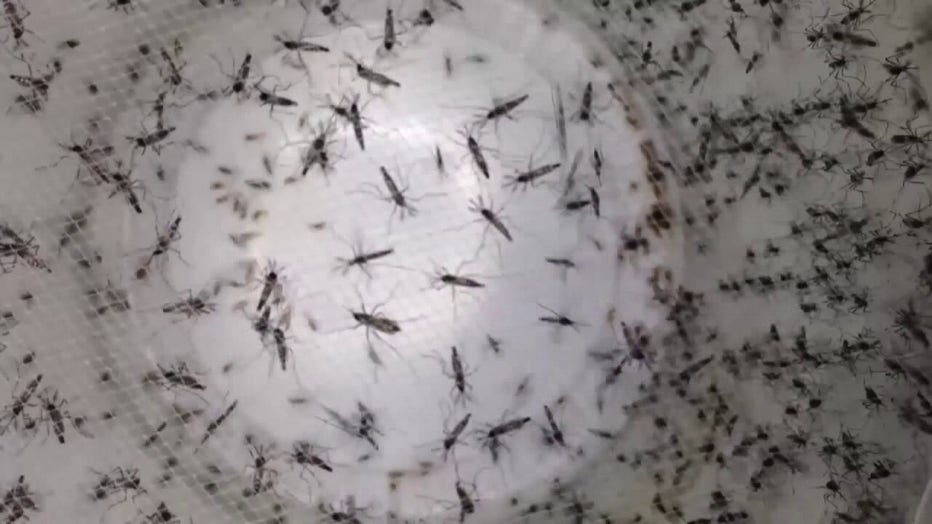
In Hillsborough County, mosquito surveillance has also detected dengue virus in 10 mosquito pools, according to the FMCA.
Locally acquired cases mean the virus was transmitted by mosquitoes in the area rather than being associated with travel.
Dengue is mainly spread by infected Aedes aegypti mosquitoes, which are active during the day and can breed in very small amounts of standing water around homes.
Hillsborough mosquito spraying
Local perspective:
Hillsborough County Mosquito Management Services said crews are increasing mosquito treatments by air and ground because mosquito traps in neighborhoods are showing dengue virus activity.
The county previously planned aerial applications Monday night in the Seffner and Brandon areas.
On Tuesday night, mosquito control crews will conduct additional aerial applications in South Tampa and Ybor City.
The Hyde Park treatment is scheduled from 8:30 p.m. Tuesday through 6 a.m. Wednesday in an area bounded by I-275, Bayshore Boulevard and West Watrous Avenue, the Hillsborough River and Hillsborough Bay, and South Manhattan Avenue.
The Ybor City treatment is scheduled between 4 and 6 a.m. Wednesday in an area bounded by I-4, the Lee Roy Selmon Expressway, North 39th Street and North Taliaferro Avenue.
County officials said alternate spray dates are scheduled for Tuesday and Wednesday if weather or other conditions prevent the treatments.
Residents can contact Hillsborough County Mosquito Management Services at 813-635-5400 for more information.
Pinellas dengue response
Dig deeper:
Pinellas County Mosquito Control is also increasing its response as the number of locally acquired dengue cases grows across the Tampa Bay region.
Crews are focusing on ground inspections and daytime fogging in Palm Harbor and St. Petersburg, while continuing surveillance and treatments throughout the county.
Officials are also conducting door-to-door inspections to identify and eliminate mosquito breeding sites on private property.
"Dengue does not stop at county lines," Pinellas County Mosquito Control Director Alissa Berro said. "The mosquitoes that transmit the virus generally stay within a relatively small area, but people travel throughout the Tampa Bay area every day. When someone infected with dengue enters a new area, a local mosquito can bite that person and later spread the virus to others. As cases rise across the region, so does the potential for additional local transmission in Pinellas County."
Because the mosquitoes that spread dengue often breed on private property, officials say residents play an important role in reducing the risk of additional transmission.
Protecting yourself from dengue
What you can do:
Health and mosquito control officials are urging residents to follow the 3 Ds:
Dress: Wear light-colored, long-sleeved clothing and closed-toed shoes when outdoors.
Defend: Use an insect repellent with a CDC-recommended ingredient, including DEET, picaridin, IR3535 or oil of lemon eucalyptus.
Dump: Empty or cover standing water around homes, including water in buckets, toys, plant saucers, tires and other containers.
Officials say mosquitoes can breed in extremely small amounts of water, making it important to regularly check yards and other outdoor areas.
Dengue fever symptoms
Why you should care:
The FDOH says dengue can cause a flu-like illness with fever, severe muscle aches and joint pain and sometimes a rash.
Symptoms can appear within about 15 days after a person is bitten by an infected mosquito.
Dengue is not spread through ordinary person-to-person contact.
Anyone experiencing symptoms should contact a health care provider and mention any potential exposure to mosquitoes.
What they're saying:
Peter Jiang, director of Hillsborough County Mosquito Management and president of the FMCA, said dengue can be debilitating and, in severe cases, life-threatening.
The disease is sometimes called "break-bone fever" because of the intense muscle, joint and bone pain it can cause, according to Jiang.
Mosquito control agencies are continuing to coordinate with the Florida Department of Health on surveillance, education and treatment as the number of cases is expected to increase in the state's upcoming weekly report.
For Bay Area residents, officials say one of the most effective ways to help prevent further spread is to eliminate standing water around their homes while taking steps to prevent mosquito bites.
The Source: The information in this story was gathered from official updates provided by the Florida Mosquito Control Association, Hillsborough County Mosquito Management Services, Pinellas County Mosquito Control, and the Florida Department of Health.