

Boundary Waters mining bill approved by Senate after Sen. Smith protest
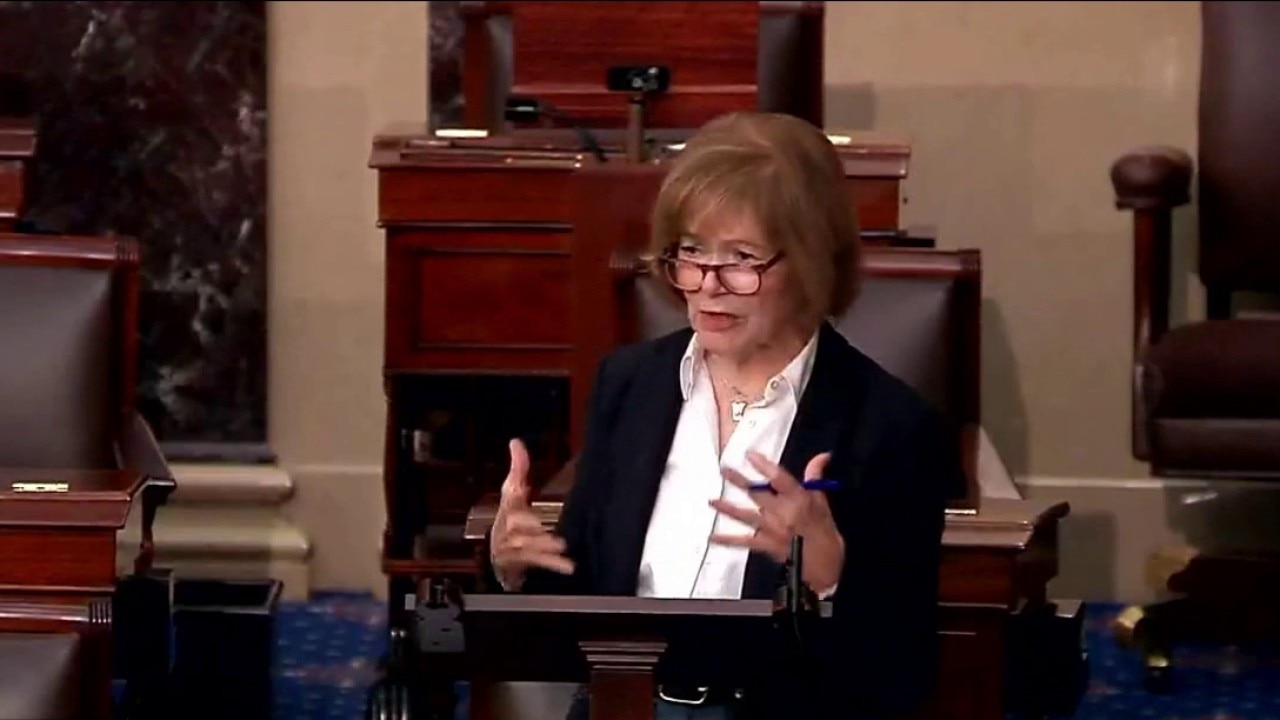
Senate overturns mining ban near BWCA despite Tina Smith's protest
Despite a protest by Sen. Tina Smith the night before that delayed the vote, U.S. Senators have approved a bill to allow mining in Minnesota's Boundary Waters watershed. FOX 9's Tim Blotz has the story.
(FOX 9) - Despite a protest by Sen. Tina Smith the night before that delayed the vote, U.S. Senators have approved a bill to allow mining in Minnesota's Boundary Waters watershed.
BWCA mining bill approved
What we know:
Senators voted to approve the bill Thursday morning after final discussion. The bill was approved on a narrow 50-49 vote Thursday morning.
The bill will now head to President Trump for approval.
Advocacy group Friends of the Boundary Waters says this would clear the way for copper-sulfide mining projects by a Chilean mining company. The group also says it would prevent future administrations from rolling back those protections.
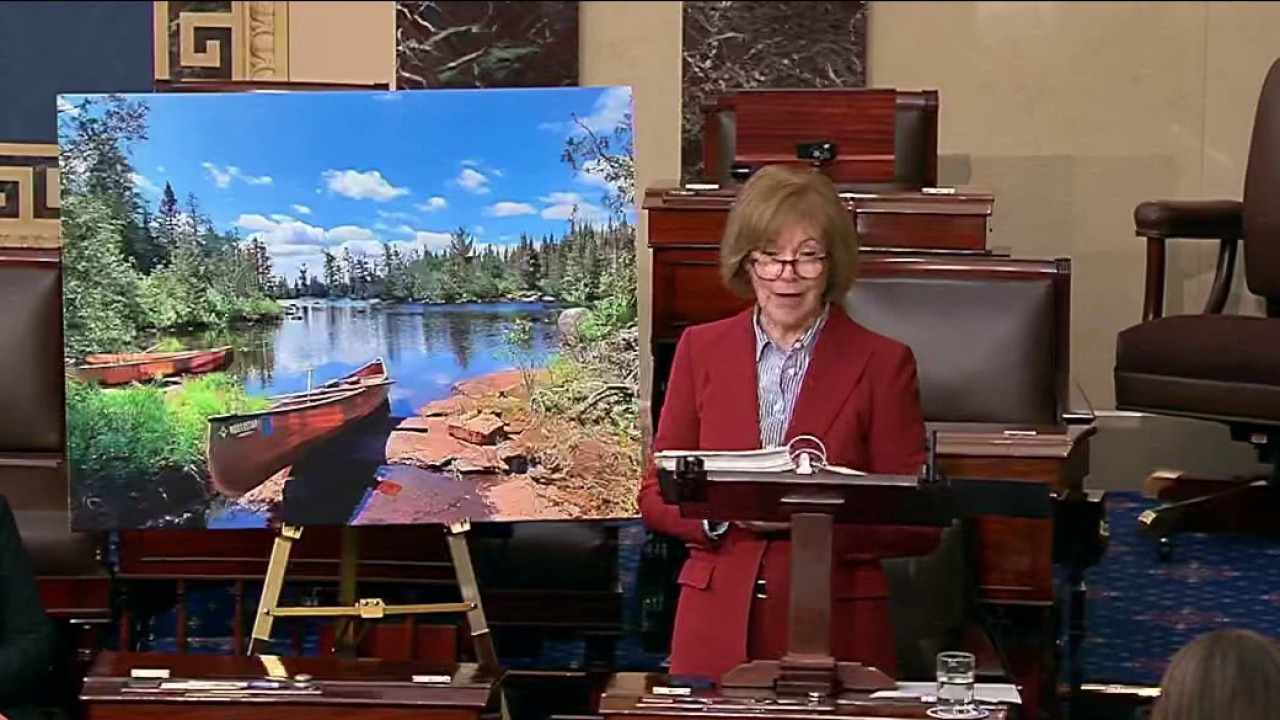
Senate votes 50-49 to open mining near BWCA
The Senate voted 50 to 49 on Thursday morning to pass a bill that would allow mining near Minnesota’s Boundary Waters Canoe Area, reversing a 20-year ban. FOX 9’s Bill Keller reports.
What they're saying:
In a post overnight, Senator Smith said Senate leadership was "abusing the Congressional Review Act to get around the filibuster."
She goes on to say: "I am reserving some of my time so I can make closing remarks in the morning before the final vote. Maybe they’ll listen to reason after a night’s sleep. Stay tuned. Save the Boundary Waters."
Before the bill was approved Thursday morning, Sen. Smith spoke on the floor.
"You're going to come down on the side of a Chilean billionaire... who's going to take our minerals, ship them to the Pacific coast, where they're going to go to China to get smelted, where this company has a sweetheart deal with China with their smelters," said Smith And then, if we're lucky, that copper is going to be sold back to us at a profit. That is not an America first strategy, colleagues, that is a Chilean billionaire first strategy."
Rep. Stauber reacts to vote
The other side:
In a statement, Rep. Pete Stauber said: "Despite the lies and hysterics from the left, my bill doesn't allow mining in the Boundary Waters or the surrounding buffer zone, nor does it weaken environmental safeguards. It simply returns the decision to established permitting processes, where science, not politicsguides the outcome.",
In a statement, Julie Lucas, the executive director for lobbying group MiningMinnesota, wrote:
"Today’s U.S. Senate Vote to pass H.J. Res. 140 is an important step for Minnesota workers, Iron Range communities, and our domestic mineral supply chain.
"We don’t need a mining ban for the entire watershed to protect the Boundary Waters. They are already protected by strict federal and Minnesota laws that require environmental review and permitting processes for any proposed mine. Those processes are designed to rely on science, ask hard questions, protect our environment, and support Minnesota’s communities and its economy.
"This vote does not open a mine. It opens the door for a transparent, science-based review. Mining and environmental protections can co-exist, and our industry is committed to making sure that happens.
"We appreciate Congressman Pete Stauber’s leadership and the members of Congress who supported this effort. We welcome continued engagement and encourage people to learn more about how these projects are evaluated."
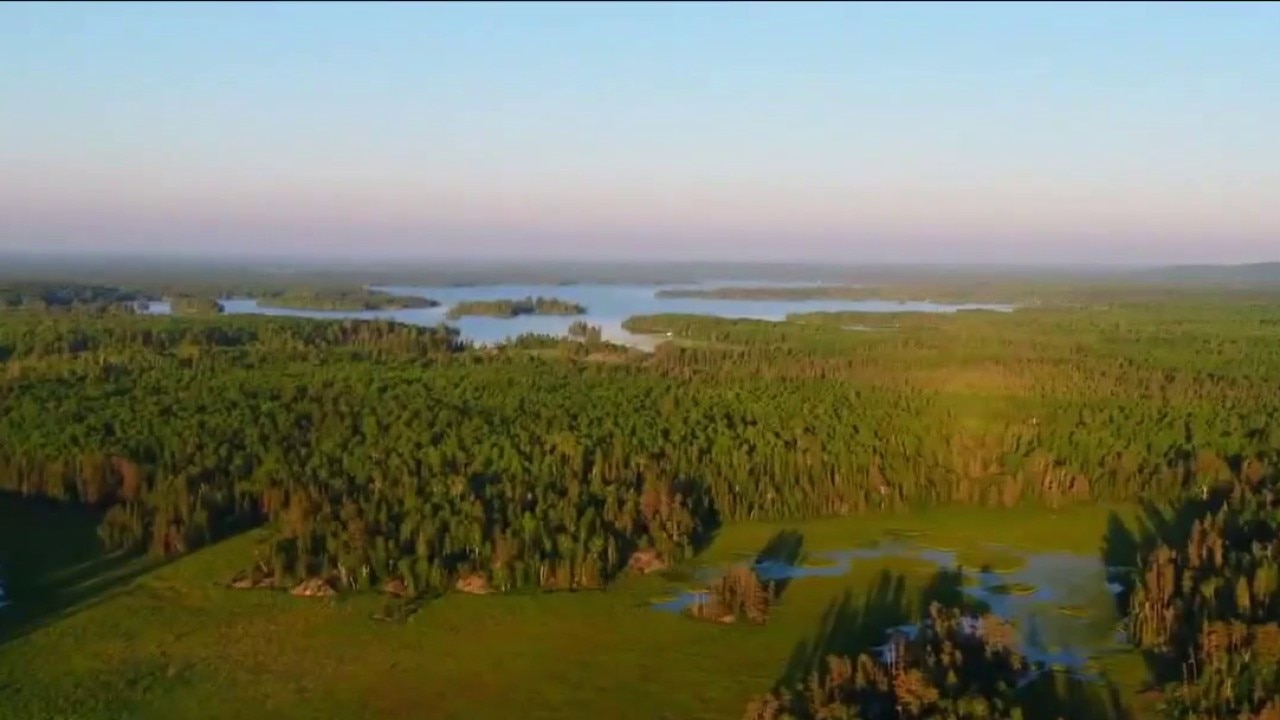
Senate delays vote to lift mining ban for Boundary Waters
The U.S. Senate has delayed a vote to revoke protections for the Boundary Waters. FOX 9's Leon Purvis has more.
What would the bill do?
Local perspective:
To be clear, this bill does not allow mining directly within the Boundary Waters itself. That has been banned since 1978. But it would allow mining within the Boundary Waters watershed, including within the Superior National Forest.
Plans posted by Twin Metals in 2012 showed the mine being located just south of the Boundary Waters in the national forest near Birch Lake. Advocates are concerned about how the project's proximity might impact the Boundary Waters.
The backstory:
In January, the U.S. House approved H.J. Res.140. The bill would remove protections put in place by the Bureau of Land Management and allow for mining on 225,504 acres in the Boundary Waters watershed. The Boundary Waters are some of Minnesota's most pristine natural areas, known for camping, hiking, and canoeing, located along the Canadian border in northern Minnesota.