

Winter readiness: How the Brevard Zoo protects native, exotic species from the cold
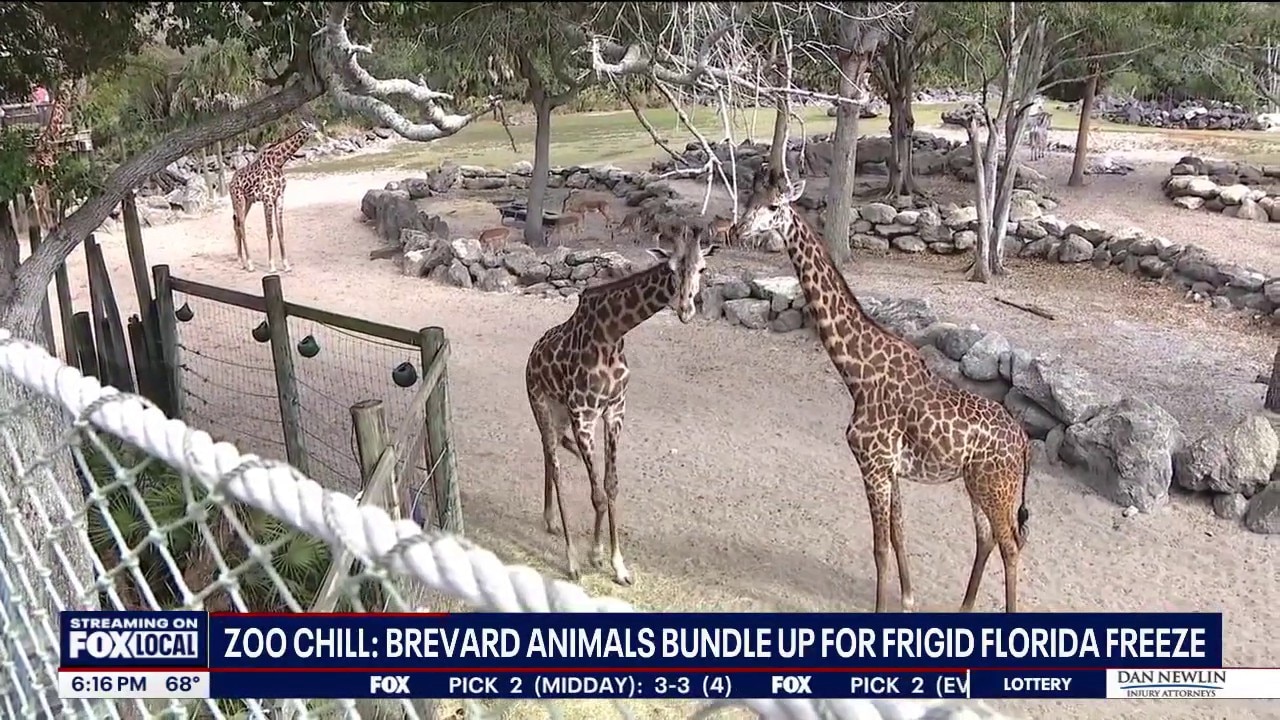
Brevard Zoo prepares animals for rare Florida freeze
The Brevard Zoo is ramping up preparations as Florida braces for a rare multi-day freeze, with zookeepers taking extra steps to keep animals warm and safe. Officials say they’re not only protecting the animals, but also adjusting visitor expectations as some enclosures may be temporarily empty.
BREVARD COUNTY, Fla. - Cold weather preparations are underway at the Brevard Zoo as temperatures tumble over the next few days.
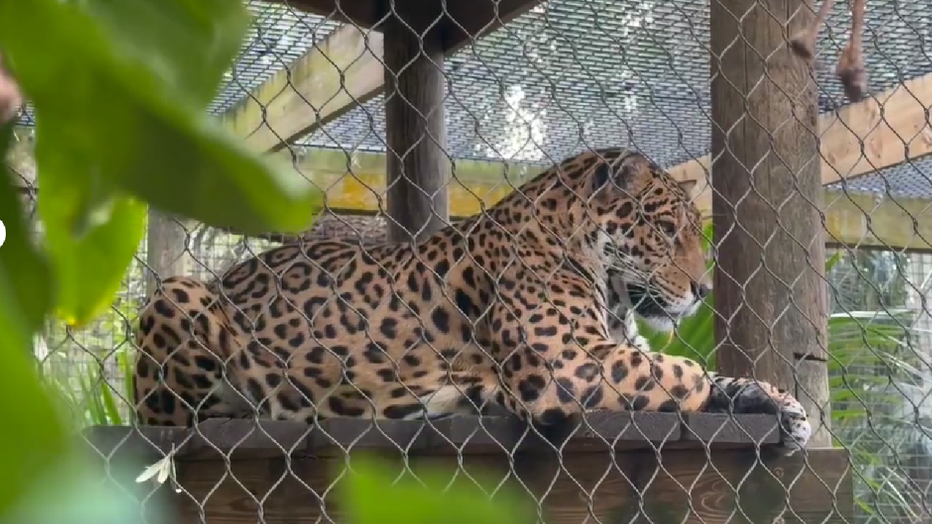
A tiger rests in its outdoor habitat at the Brevard Zoo on Jan. 30, 2026.
What we know:
Tarps are going up, plants are being covered and heaters are turned on.
"It doesn’t happen often, so trying to prep and over prepare," said Kim Castrucci, Brevard Zoo animal curator. "We have to think about whatever complications could come; we want to make sure we’re over prepared for them."
The Brevard Zoo will remain open as normal during the cold stretch, though some animal enclosure may be empty as animals warm up indoors.
How cold will it be?
This rare Florida freeze will have parts of central Florida in the 20s for three consecutive days.
Saturday will be windy, with gusts of up to 40 mph. As a cold front arrives in the morning, temperatures will start to drop in the afternoon, leading into a chilly remainder of the weekend through Monday.
Sunday will have a low 24° with a wind chill 8-12° with gusts 25 miles per hour.
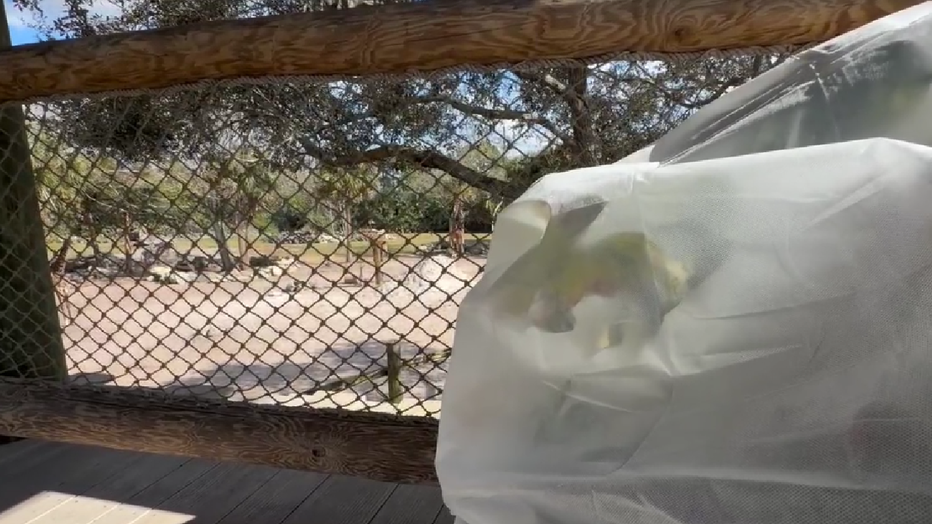
Tarps are set up around outdoor animal habitats to protect from the cold weather.
Specified care plans
Each animal has different needs, said Castrucci.
Their cold-weather protection plan is based on multiple factors including species, size, age and where they originate.
"Natives live here, they’re more equipped to deal with these things that are happening," Castrucci said. These include bears, bobcats and deer.
The native animals will need some extra bedding and hay, said Castrucci, and they are good to go.
But for the exotics, they need help from heaters – something Castrucci said the zoo is fortunate to already have in place.
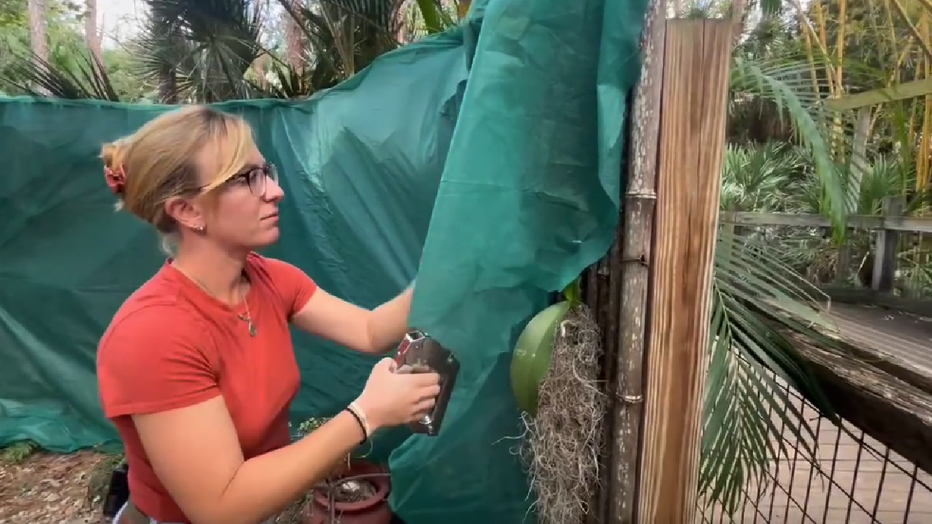
Tarps are set up around outdoor animal habitats to protect from the cold weather.
Which animals go where?
According to Castrucci, the zoo’s three rhinos, 7 giraffes and their zebra herd will all be brought into heated barns.
Lions and jaguars will be sheltered in their night houses, which are located within their enclosures.
For the more vulnerable critters, like cotton top tamarinds, meercats and sloths, they’ll require a little extra T.L.C.
"Animals that don’t stay in their habitat, that we move, we can crate them and move them into an enclosed heated building," Castrucci said.
The Source: Information in this story was gathered from FOX 35's Hannah Mackenzie.