

Central Florida zoo welcomes new babies; set of endangered fossa kits
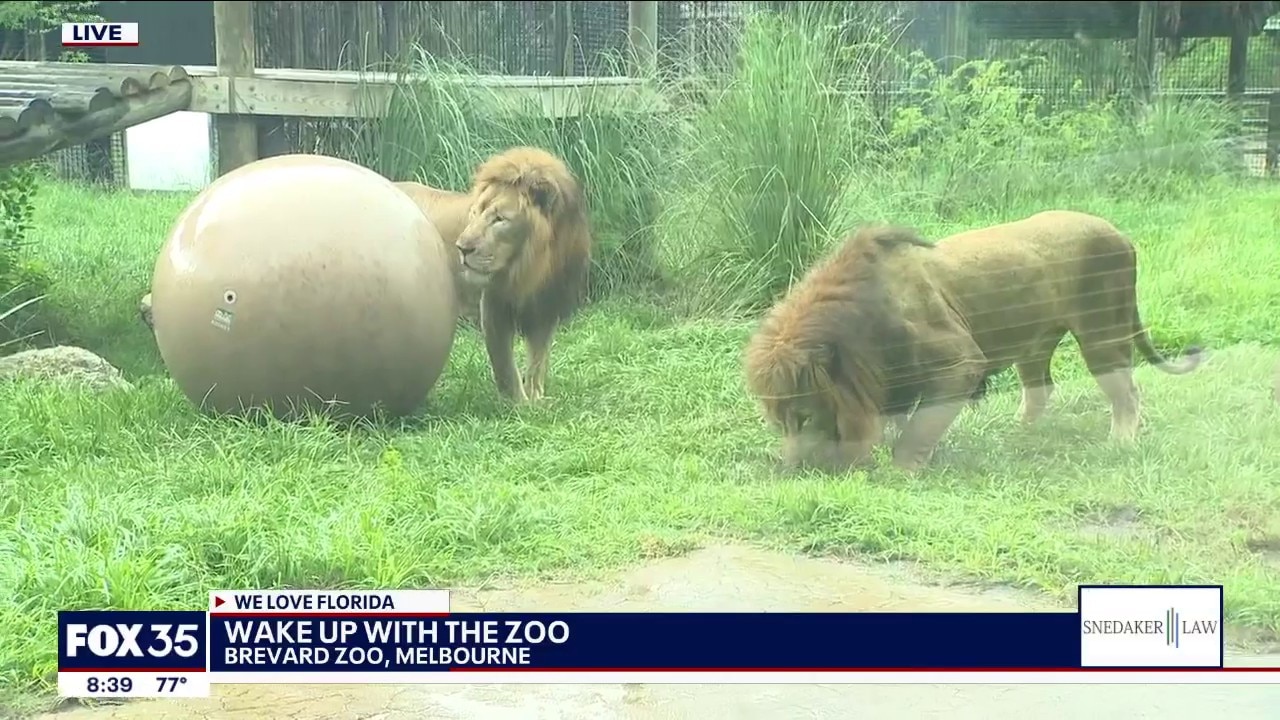
Wake Up with the Zoo at Brevard Zoo
The Brevard Zoo has a new experience that lets visitors see the zoo in a different way. With Wake Up with the Zoo, visitors can see how staff at the zoo gets the animal habitats ready for the day.
SEMINOLE COUNTY, Fla. - The Central Florida Zoo has announced that one of its resident fossas, Alina, has given birth to two kits.
The births mark another successful addition to a species with a declining wild population.
What is a fossa?
Fossas are the largest native predators in Madagascar and belong to the carnivore family Eupleridae, whose members are found only on the island nation. Although they resemble cats, their closest relatives are mongooses. Lemurs make up about half of a fossa's diet.
The species faces significant threats in the wild, including habitat loss from deforestation and diseases introduced by nonnative animals such as cats and dogs. Conservation groups estimate fewer than 2,500 fossas remain in the wild.
Fossa attraction temporarily closed
Zoo staff said Alina has been caring for the newborns behind the scenes, prompting the temporary closure of the Health & Wellness Garden to provide the mother and her offspring with privacy during their first weeks.
The kits were already spotted opening their eyes on June 10 — just two days after birth. The zoo shared that it usually takes about three weeks for fossa kits to open their eyes, making these little ones already overachievers.
For the first month of their life, the kits are completely dependent on their mom.
"Welcome to the world, little ones!" The Central Florida Zoo shared on a social media update.
What we don't know:
The zoo officials explained that the babies are still too young to have their sexes determined, but in eight weeks their physical characteristics will develop enough for the veterinary team to tell them apart during their first veterinarian check-up.
Be sure to keep an eye on the zoo's social media channels in a couple of months, to help with name suggestions.
The Source: This article was written with information shared by the Central Florida Zoo.