

Vibrio vulnificus cases in Florida: County-by-County
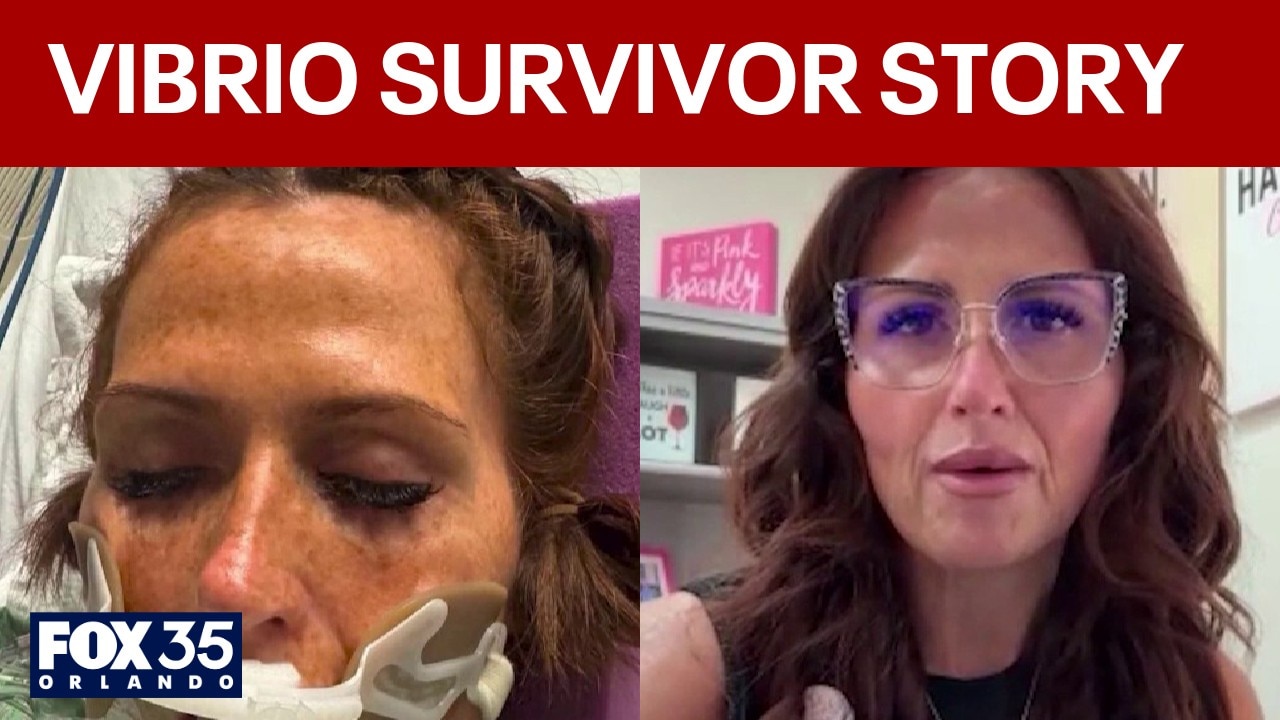
'Flesh-eating' bacteria survivor issues warning after 14 cases in Florida in 2026
A Marion County resident between the ages of 60 and 74 has died after contracting a severe infection from Vibrio vulnificus—a rare, naturally occurring bacteria often referred to as "flesh-eating." Survivor Genevieve Gallagher is now using her experience to warn others about how easily the bacteria can strike.
There have been a total of 14 cases and two deaths in Florida from Vibrio vulnificus, a potentially serious and deadly infection caused by a bacterium found in warm salt waters.
Vibrio vulnificus cases in Florida
By the numbers:
There have been a total of 14 cases of Vibrio vulnificus reported in Florida in 2026, according to the Florida Department of Health.
- Bay County: 1
- Brevard County: 1
- Hillsborough County: 1
- Lee County: 2
- Marion County: 2
- Miami-Dade County: 2
- Okaloosa County: 1
- Palm Beach County: 2
- Polk County: 1
- St. Johns County: 1
Vibrio vulnificus deaths
There have been 2 deaths related to Vibrio vulnificus in Florida in 2026:
- Marion County: 1
- Palm Beach: 1
2nd flesh-eating bacteria death reported in Fla. this year
The second death tied to the "flesh-eating" Vibrio vulnificus in Florida has been reported, according to health officials, alongside several additional cases. Dr. Norman Beatty, UF Associate Professor of Medicine, joined FOX 35's Garrett Wymer live via Zoom to break down the latest on the case, and what Floridians should do to keep themselves safe.
What is Vibrio vulnificus?
Vibrio bacteria occur naturally in coastal waters and thrive in warm saltwater and brackish water, where fresh and saltwater mix.
When ingested, it can lead to watery diarrhea, cramps, vomiting, fever, and chills. When it comes into contact with an open cut, it can lead to redness, pain, skin discoloration. At its most severe, it can lead to necrotizing fasciitis, which is when the flesh around the wound dies.
How do you get it?
Most people get vibriosis by eating raw or undercooked shellfish, such as oysters. However, it can also be contacted if the bacteria enters an open cut while in coastal waters, the Florida Department of Health said.
How do you prevent it?
- Do not eat raw oysters or raw shellfish
- Cook shellfish thoroughly
- Avoid cross-contamination
- Eat shellfish right away after cooking and refrigerate leftovers
- Be mindful of open cuts or broken skin while in warm salt or brackish water or while harvesting shellfish while in the ocean.
Year-by-Year case breakdown
Since 2017, there have been a total of 438 cases of Vibrio vulnificus and 93 deaths. Case spikes in 2022 were attributed to Hurricane Ian, and Hurricane Helene in 2024, according to the Florida Department of Health's website.
- 2017: 50 cases, 11 deaths
- 2018: 42 cases, 9 deaths
- 2019: 27 cases, 2 deaths
- 2020: 36 cases, 7 deaths
- 2021: 34 cases, 10 deaths
- 2022: 74 cases, 17 deaths
- 2023: 46 cases, 11 deaths
- 2024: 82 cases, 19 deaths
- 2025: 33 cases, 5 deaths
- 2026: 14 cases, 2 deaths
People who become infected with Vibrio vulnificus typically need intensive care or limb amputations, the Florida Department of Health Service's website states. One in five people died, which can sometimes happen within 24-48 hours of being sick, the agency said.
The Source: The information is from the Florida Department of Health's web page on Vibrio vulnificus and the U.S. Centers for Disease Control and Prevention.