

Florida lawmakers approve congressional redistricting map in majority vote: Government leaders respond
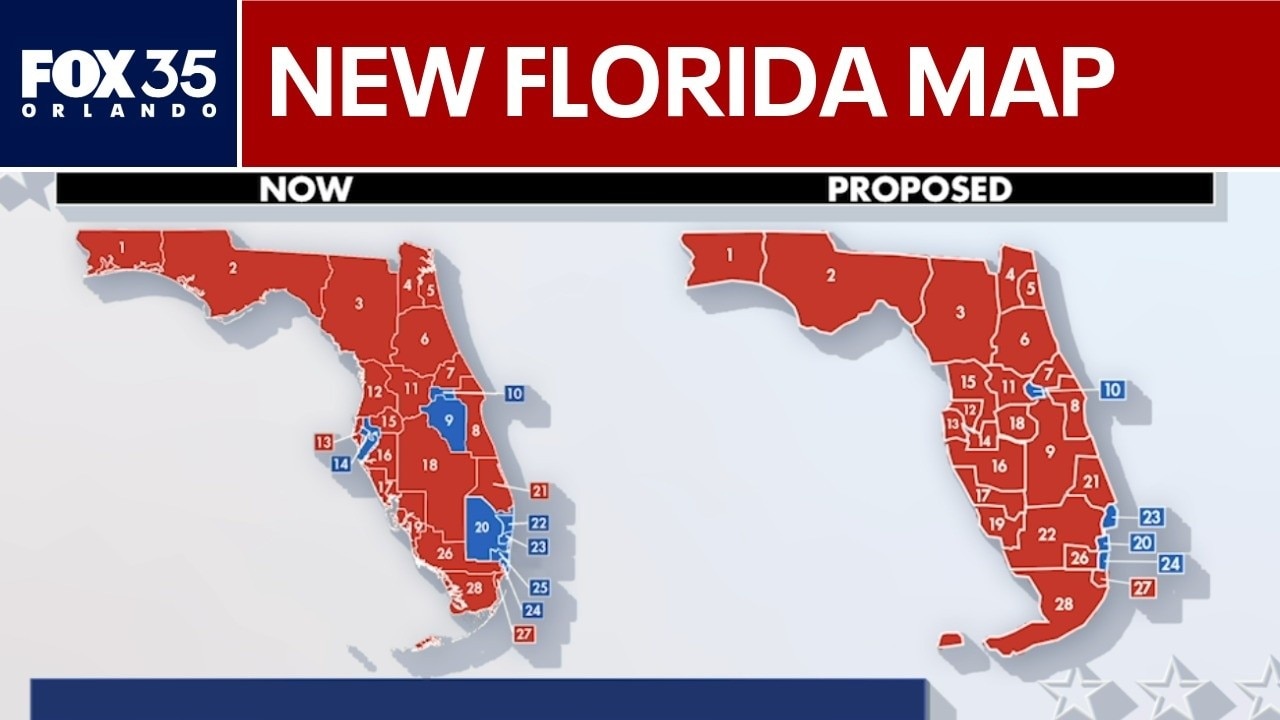
Florida lawmakers approve proposed Congressional map
A newly proposed Florida congressional redistricting map – led by Governor Ron DeSantis – was passed by the Florida House and Senate. Gov. Ron DeSantis unveiled a new redistricted congressional map for the state, FOX 35 reported on Monday, in which the GOP could gain four more seats. In a vote on Wednesday, April 29, the new congressional district map passed with an 83-28 vote in the Florida House and 21-17 vote in the Florida Senate.
TALLAHASSEE, Fla. - Following the recent passing of a congressional redistricting map, U.S. legislators and state organizations are responding to the upcoming potential changes.
In the argument in support of the redistricting, some legislators say the redrawing of the maps was needed, after Florida's 2020 census was "undercounted," they said. Others, in opposition to the new map, said the new redrawing of the map encourages racism and discrimination against minority groups.
What we know:
A newly redrawn congressional redistricting map passed in both the Florida House – with an 83 to 28 vote – and the Florida Senate – with a 21-17 vote.
The map, proposed by Gov. Ron DeSantis, cut the Democrat seats in half, leading to 24 GOP seats and four Democrat seats.
Florida currently has 27 representatives – 20 Republican, seven Democrat – with one vacant seat after Rep. Sheila Cherfilus-McCormick, D-Fla. resigned on April 21 amid a pending criminal indictment. Cherfilus-McCormick resigned before the new map was passed.

In response to the passing of the map, several government officials shared their stance on the topic:
Support of redrawn redistricting map
In an interview with FOX & Friends, DeSantis said, "The Florida today is not the same Florida of 2020."
"We've netted two-million people. We've had a massive change in demography," he said.
According to the memorandum filed, the proposal came in response to a population growth since the 2010 census, but resulted in Florida gaining only one House seat after the 2020 census.
In a statement to FOX News, DeSantis said, "Florida got shortchanged in the 2020 Census, and we’ve been fighting for fair representation ever since. Our population has since grown dramatically, and we have moved from a Democrat majority to a 1.5 million Republican advantage. Drawing maps based on race, which is reflected in our current congressional districts, is unconstitutional and should be prohibited."
"Our new map for 2026 makes good on my promise to conduct mid-decade redistricting, and it more fairly represents the makeup of Florida today," DeSantis told FOX News.
Additionally, Florida Lt. Gov. Jay Collins and House Speaker Mike Johnson spoke in favor of the map.
"I applaud Governor DeSantis for taking up this issue and doing the right thing to make sure all Floridians are represented equally and to put an end to racial gerrymandering," Collins said in a released statement.
House Speaker Mike Johnson, R-La., encouraged Florida’s redistricting attempt, saying that the state "has the right to do so," FOX News reported. "Florida has the right and the intention to do it. And my view is that they should," Johnson said last week.

What districts are affected by the map?
Though the congressional redistricting affects the whole state, four key Democrat-led districts are affected.
- District 9: Rep. Darren Soto
- District 14: Rep. Kathy Castor
- District 22: Rep. Lois Frankel
- District 25: Rep. Debbie Wasserman Schultz
Gerrymander or Dummymander? This map is an absolutely unlawful violation of the Florida Constitution. The Legislature should reject it. The courts should strike it down.
— Rep. Darren Soto (@RepDarrenSoto) April 27, 2026
That being said, there are 12+ seats that Democrats could still win under this map in this cycle. https://t.co/mSAzS8T9El
Opposing the redrawn redistricting map
In a released statement to FOX 35, Rep. Maxwell Frost, D-10, criticized the congressional map, saying the redrawn map "violates Florida’s Fair Districts Amendment and is designed to give House Republicans additional seats in the upcoming election."
"For Governor DeSantis, this is about winning elections, not the census or complying with Florida’s Fair Districts Amendment. Any redistricting plan should follow the law, and this map clearly violates both the letter and the intent of the law," Frost said. "This map is clearly illegal, and even a packed court like Florida’s will have to recognize that and ultimately strike it down."
Watch: Rep. Darren Soto, D-9
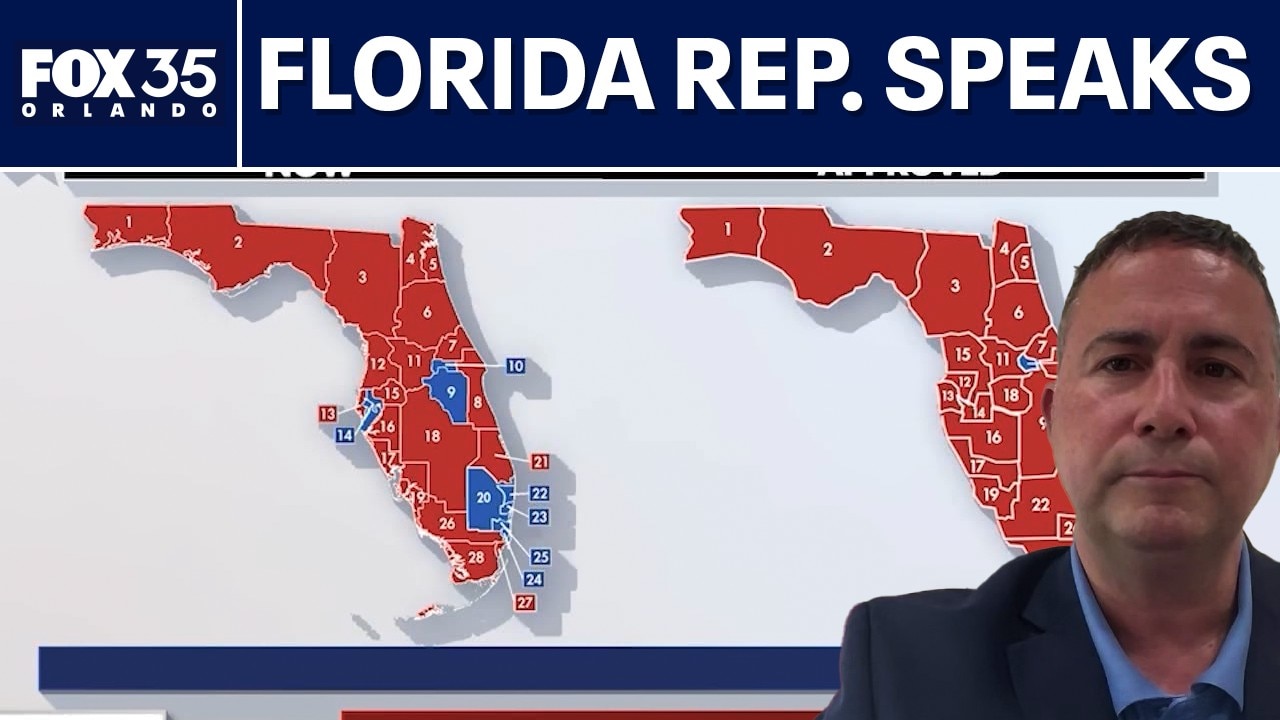
Florida Rep. Darren Soto speaks ahead of Trump Villages visit
The Florida Legislature has moved forward with Governor DeSantis' proposed map that could see several state Dems in the hot seat. One of those threatened, Congressman Darren Soto, joined FOX 35's Garrett Wymer live over Zoom ahead of President Trump's visit to the Villages.
Rep. Darren Soto, D-9, whose district is affected by the redrawn map, called the map "blatantly partisan." Soto said the redrawing of the congressional districts "takes away our voice."
Rep. Anna Eskamani, D-42., who voted against the congressional redistricting on Wednesday, called the act "unprecedented" in the middle of the decade. Eskamani said the maps don't reflect the fair district amendments.
Eskamani pointed to Florida's redistricting laws, which prohibit the discrimination of racial and language minorities to elect representatives of their choice as well as prohibiting line-drawing that intentionally favors or disfavors a political party or an incumbent. The redrawing of the map, Eskamani said, "blatantly" ignores these rules.
Watch more: Rep. Anna Eskamani responds to passing of redrawn congressional maps
In a released statement, Kristen Browde, President of the Florida LGBTQ+ Democratic Caucus, said, "This ruling (Louisiana v. Callais) – and the redrawing of Florida district lines both encourage racism and discrimination against all minority groups. It’s part of the right wing effort to maintain control at all costs, including by allowing manipulation of district lines to disenfranchise large groups of voters."
The Source: Information in this story was gathered from the office of Gov. Ron DeSantis, coverage of House and Senate sessions and the U.S. Supreme Court.