

DeSantis defends Everglades detention facility, says state expects full federal reimbursement
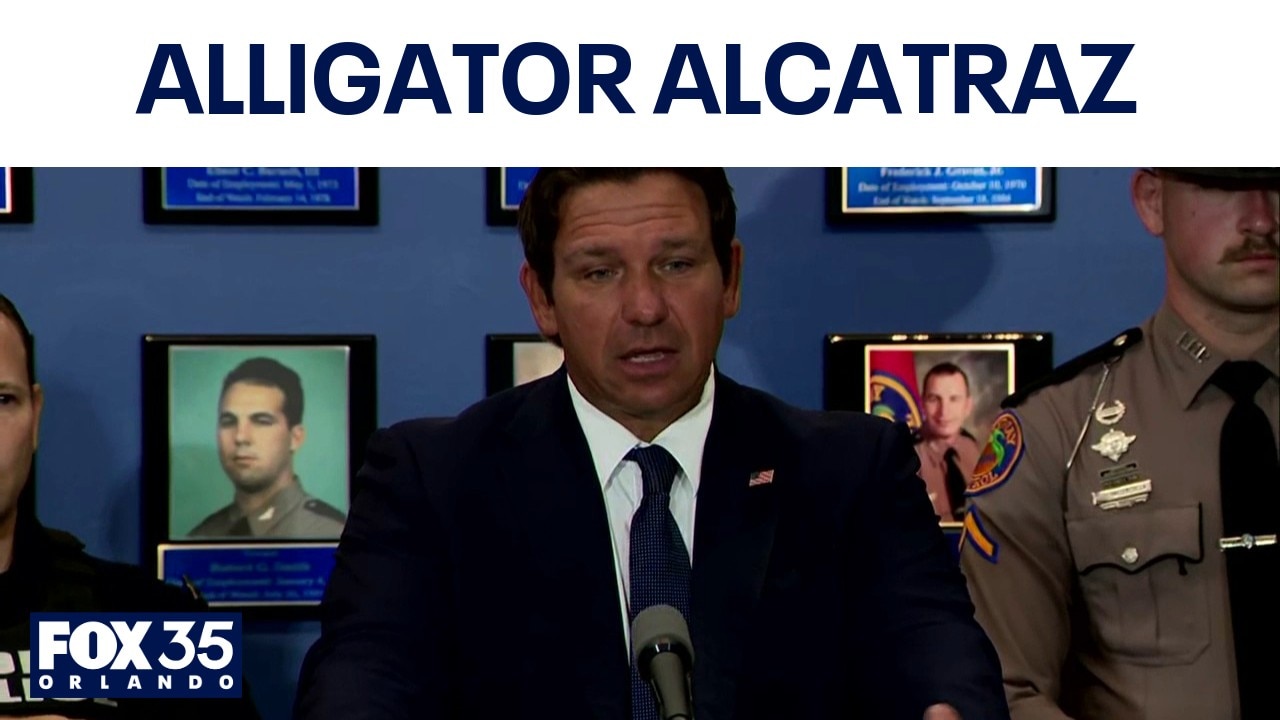
'Alligator Alcatraz' closing 'We had no where else to put these people,' Florida Gov. Ron DeSantis
Florida Gov. Ron DeSantis said "Alligator Alcatraz" was established "out of necessity" because DHS didn't have room to hold detained undocumented immigrants. As for the status of the facility, DeSantis maintained the detention center is temporary and will change when DHS can handle "this on their own."
DAVIE, Fla. - Gov. Ron DeSantis on Friday defended Florida's controversial migrant detention facility in the Everglades, dubbed "Alligator Alcatraz," arguing it was created out of necessity to support federal immigration enforcement efforts and insisting the state expects to be fully reimbursed for associated costs.
Speaking during a news conference focused on immigration enforcement, DeSantis said the facility was established because federal authorities lacked sufficient detention capacity amid increased immigration enforcement operations.
DeSantis defends detention facility
What we know:
DeSantis said more than 20,000 people have passed through the Everglades detention facility, which was created to temporarily house migrants detained through joint state and federal operations.
The governor said Florida initially paid for the facility but has already begun receiving federal reimbursements and expects additional payments in the future.
According to DeSantis, the facility's location in a remote area of South Florida near an airport made it suitable for processing and transporting detainees.
He said the state stepped in because federal officials did not have enough space to house migrants awaiting processing or deportation.
The backstory:
The facility became a focal point in Florida's immigration enforcement strategy after state officials expanded cooperation with federal authorities under the Trump administration.
The site was established amid broader efforts by Florida to assist federal immigration enforcement through detention, transportation and processing operations.
Critics have questioned the cost, necessity and location of the facility, while supporters have argued it fills a critical need as immigration arrests increase.
What they're saying:
DeSantis rejected criticism that the state should not have funded the facility. The governor said the facility was never intended as a permanent solution.
"We had nowhere else to put these folks. DHS did not have any place to put them," he said. "The minute that they have the capacity elsewhere, great. We will adjust our operations accordingly."
He also said Florida expects to recover its costs.
"We're now already seeing reimbursements flowing down."
DeSantis argued the facility helped prevent detainees from being released into communities while awaiting federal action.
"Those would be people that would absolutely be released into our society."
What we don't know:
State officials have not provided a full accounting of the facility's operating costs or how much federal reimbursement Florida ultimately expects to receive.
It also remains unclear how long the facility will remain operational as federal authorities continue expanding detention capacity elsewhere.
DeSantis said federal officials are evaluating additional detention options, including warehouses and other facilities, but no final decisions have been announced.
Big picture view:
The Everglades detention facility has become one of the most visible symbols of Florida's aggressive role in immigration enforcement. Supporters view it as a necessary tool to assist federal authorities, but critics continue to question its cost, oversight and long-term role.
DeSantis has said that the facility represents Florida's broader effort to take a leading role in immigration enforcement while working alongside federal agencies to detain and process migrants.
The Source: Information in this story was gathered from a May 29, 2026, press conference with Florida Gov. Ron DeSantis.