

AI transforms medical lab results on the Space Coast: Experts weigh in
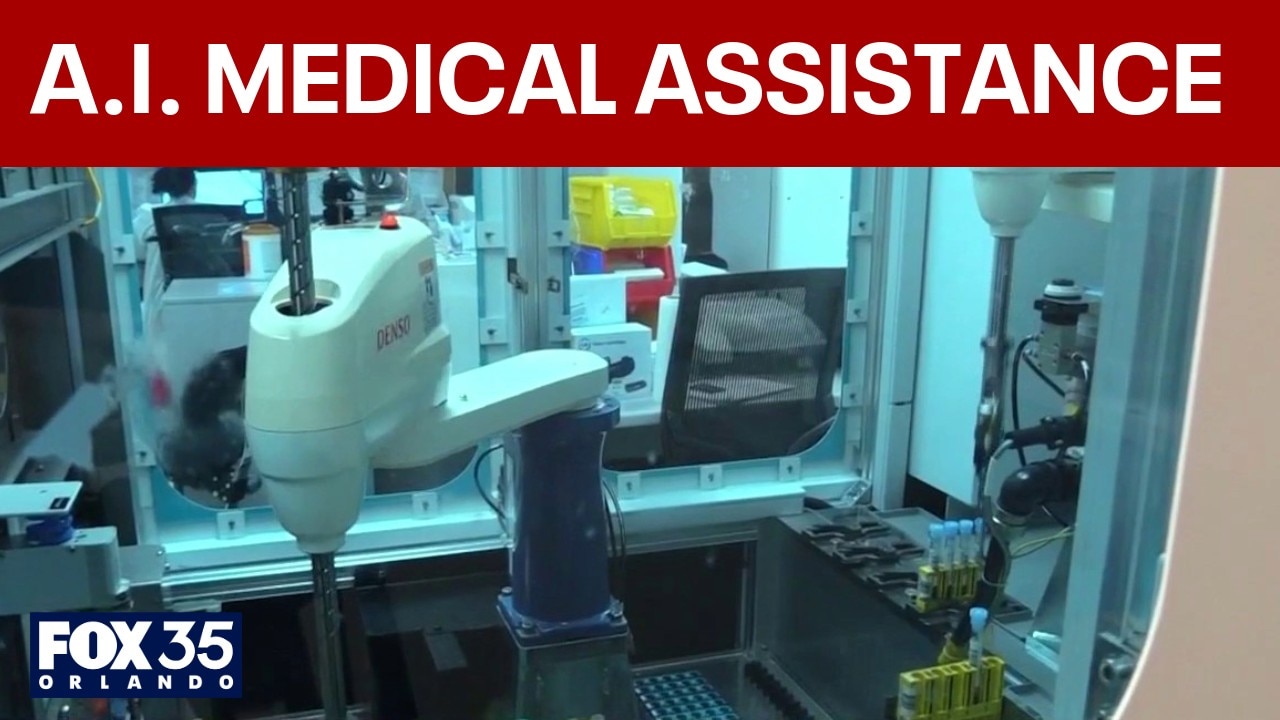
AI helps labs along the Space Coast speed up results, experts say
Artificial Intelligence is transforming routine lab work analysis for patients. Labs along the Space Coast are able to expedite the processing of more than nine million vials a year by using AI as a tool in the clinical laboratory.
BREVARD COUNTY, Fla. - Artificial Intelligence is transforming routine lab work analysis for patients. Labs along the Space Coast are able to expedite the processing of more than nine million vials a year by using AI as a tool in the clinical laboratory.
What we know:
FOX 35 took an exclusive look behind the scenes at one of Health First’s 17 labs on the Space Coast to see how artificial intelligence is impacting routine lab work.
Health First labs analyze more than nine million vials from patients annually. That workload jumped about 15% following the closure of Rockledge Hospital in 2025. To handle the influx, local scientists are turning to AI to get results back to patients faster.
How AI at Health First works
The implementation of AI at Health First is designed to streamline the process of handling millions of medical samples. Rather than replacing the human touch, AI functions as a high-powered assistant.
Automated robotic systems take over the mechanical, repetitive tasks of the lab. Robots handle the initial sorting of patient samples and safely place caps on vials. By automating these baseline steps, medical technicians are freed from administrative bottlenecks, allowing them to dedicate their time and expertise to examining crucial samples under the microscope.
How it's used
The technology is being utilized directly by laboratory technicians and pathologists across Health First's 17 lab locations on the Space Coast.
The primary goal of integrating these systems is to provide clinicians with the tools they need to make rapid, informed decisions for their patients.
Michele Beam, director of laboratory medicine and pathology at Health First said, "AI in the clinical laboratory is a tool that we use to complete analysis."
By pairing cutting-edge software with seasoned medical professionals, the health system ensures a more seamless flow of data from the laboratory bench straight to the patient’s chart.
How does Health First AI help in medical situations?
In a medical emergency, every second counts. AI serves as an extra set of eyes in the lab, scanning vast amounts of data to flag abnormal results at lightning speed.
"It helps with accuracy, consistency," Beam said.
When a sample shows signs of potential illness or severe irregularities, the AI alerts the medical team immediately. Beam noted that the system essentially tells technicians, "Okay, this has something that we need to look into. Please review this flag."
By identifying these red flags early, the lab can alert doctors to critical issues. Ultimately, getting results sooner means patients can discover if something is wrong and immediately begin collaborating with their doctor on an actionable treatment plan.
Can people get involved?
Yes, the technological expansion at Health First is creating ongoing opportunities for professionals who want to work at the intersection of medicine and technology.
Health First is currently in the process of installing new AI systems at its Holmes Regional Medical Center in Melbourne to help process an even higher volume of results. Work on that installation is expected to be completed by 2027.
Opportunities at Health First
As Health First grows its technological capabilities, it is actively looking for talented individuals to join their team. If you want to be part of the future of healthcare on the Space Coast, you can explore open positions and submit an application directly through the official health system portal:
- Website: Visit careers.hf.org to search by job title, category, or location.
- Opportunities: Positions range from clinical laboratory technicians and nursing roles to non-clinical and IT positions supporting these advanced AI platforms.
Whether behind a microscope or managing the automated systems, new team members will play a direct role in what Beam describes as the core mission of the lab: "It’s making sure you’re either well or we’re able to provide care for you, get the right treatment for you."
The Source: Information in this story was gathered from FOX 35's Esther Bower who spoke with medical experts in the field.