

What's that burning smell? How to protect yourself from smoke in Seminole County
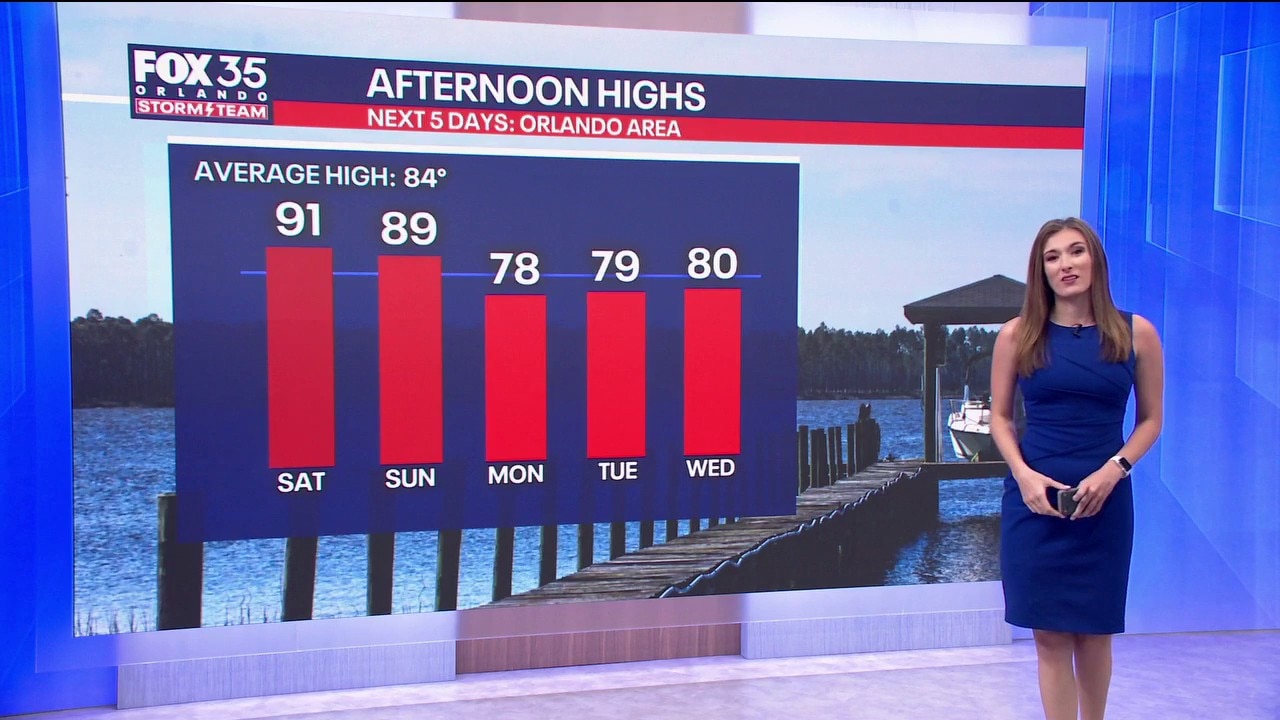
Orlando PM Forecast: Warm and beautiful weekend ahead
With temperatures about 10 degrees hotter than normal, Central Florida will experience warm summer like conditions this weekend. However, meteorologists caution beachgoers about the moderate rip current conditions.
SEMINOLE COUNTY, Fla. - For those traveling on Interstate-4 in Seminole County in the early hours of Friday morning, expect to experience smoke lingering in the area.
While meteorologists expect the smoke to dissipate by late morning, experts provide health and safety tips for high air pollution conditions.
What we know:
What appears to viewed as fog over I-4 is actually smoke drifting from a burn over Seminole County around 6 a.m., April 17.
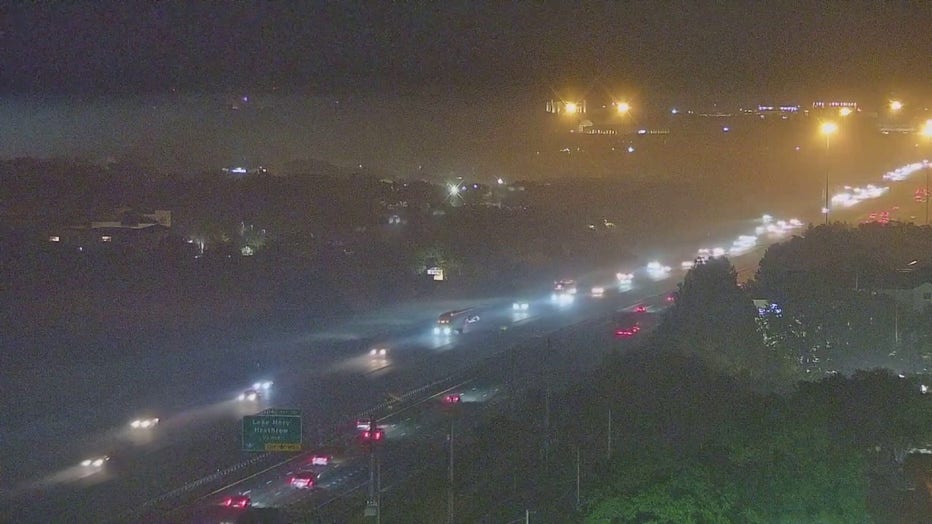
Smoke traveling in Lake County on April 17, 2026.
FOX 35's Brooks Garner described a temperature inversion occurring – trapping much of the air pollution to the surface.
"As the day progresses, and it warms up, that smoke should start to mix out," Garner said.
Where is the smoke coming from?
Weather satellites – which predict hot spots – detected several fires in the Rock Springs Run State Reserve, north of Apopka, in Lake County.
Seminole County officials confirmed, Friday, that the smoke was from a 200-acre prescribed burn that occurred April 16 in the Rock Springs Run State Reserve in Lake County.
Protecting yourself from the smoke
Anyone can get sick from inhaling smoke, but people with asthma, heart disease and lung disease are at higher risk, the American Public Health Association says. Additionally, children or people who are pregnant are also at risk.
Breathing in smoke can cause coughing, wheezing, trouble breathing, asthma attacks, scratchy throats and more.
Here are three things you can do to protect yourself:
1. Stay indoors
Experts say the best way to protect yourself from the smoke is to remain indoors.
Heavy smoke and ash can pose immediate health and safety risks, the United States Environmental Protection Agency says.
Though the lingering smoke smell may travel indoors, experts say to avoid breathing smoke – both outdoors and indoors – if you can help it. Smoke can travel indoors through open windows, doors or through mechanical ventilation, such as bathroom or kitchen fans, the EPA says.
2. Wear a N95 mask
The American Public Health Association suggests wearing a N95 to protect yourself outside – though noting that having the right size mask is key.
3. Prepare to evacuate
Those living in the area may be asked to evacuate for their safety and should be prepared to do so.
The Source: Information in this story was gathered from FOX 35's Brooks Garner.