

The surprising link between allergies and suicide risk explained
Researchers examine link between allergies and suicide risk
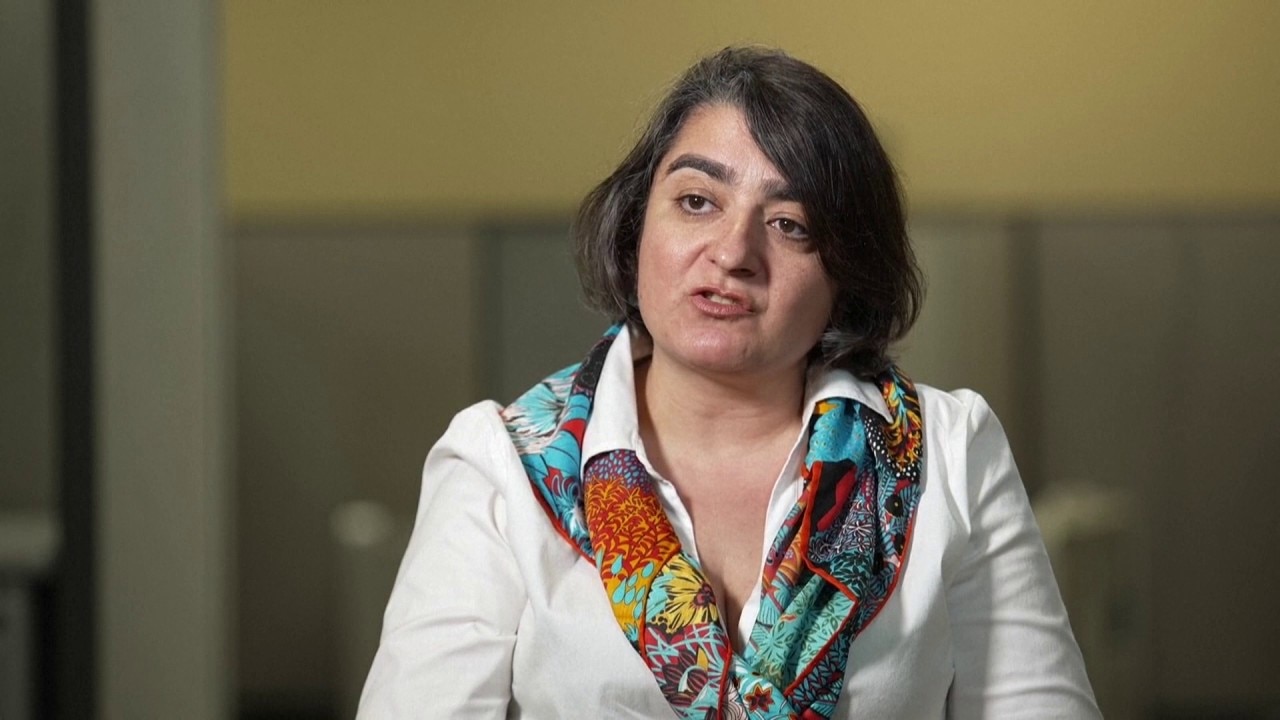
Shooshan Danagoulian, an associate professor of Economics, discusses the correlation between seasonal allergies and suicide. (Credit: hooshan Danagoulian, Associate Professor, Wayne State University via The Associated Press)
ANN ARBOR, Mich. - If you or a loved one is feeling distressed, call or text the 988 Suicide & Crisis Line for free and confidential emotional support 24 hours a day, 7 days a week.
CLICK HERE for the warning signs and risk factors of suicide and CLICK HERE for more on the 988 Lifeline.
High-pollen seasons may carry a risk that goes beyond sneezing and itchy eyes.
A study, published last year, found that suicide deaths increased by 7.4% during periods of high pollen, pointing to a possible link between seasonal allergies and suicide risk.
Link between allergies and suicide risk
Big picture view:
The study, funded by the American Foundation for Suicide Prevention and U-M ISR, combined daily pollen data from 186 counties of 34 metropolitan areas across the United States, with suicide data from the National Violent Death Reporting System between 2006 and 2018.
Researchers divided pollen levels into four tiers based on pollen levels and found the suicide risk rose with each group: it increased by 4.5% in the second level, 5.5% in the third and peaked at 7.4% in the fourth and highest category, when pollen levels were high.
Shooshan Danagoulian, an associate professor of Economics at Wayne State University and a co-author of the study, said the findings suggest a connection between environmental factors, physical allergic reactions and mental health.
"There are fewer than one or two suicides a day in a county, so a 7.4% increase is not very significant. However, when you add up over time and over the entire country we project that pollen levels account for 1,200 extra deaths per year," Danagoulian told The Associated Press earlier this month.
The authors predict that as climate change extends and intensifies the pollen season, the impact of allergies on suicide rates could continue to increase.
"Twelve-hundred extra deaths per year is quite a bit and given that pollen levels are anticipated to increase over the next few decades as longer summer seasons, hotter summers are causing plants to produce more pollen we can expect the number of deaths to increase over time," Danagoulian explained.
Individuals with mental health conditions at highest risk
Dig deeper:
Published in the Journal of Health Economics, the study also found that individuals with a known mental health condition or who had received prior mental health treatment, had an 8.6% higher incidence of suicide on days with the highest pollen levels.
White men strongly drove the effect, but the study also found an unexpectedly high vulnerability among Black individuals.
"While our study’s data comes from the U.S., our findings likely apply globally," Abramowitz, a co-rerearcher at The University of Michigan, said in a news release last year. "This is supported by earlier research that found similar relationships in locations like Tokyo and Denmark. Our results, therefore, provide crucial new evidence that this phenomenon is a consistent, worldwide trend."
Despite the scale of the problem, the researchers said there are no national systems in the U.S. to consistently measure and communicate pollen levels. Most communities lack reliable forecasts and alert systems that would allow vulnerable people to take precautions. This gap limits both prevention and research.
Another limitation of the study was the focus on metropolitan areas where pollen and death counts were available.
The authors noted that there needs to be a broader approach to mental health awareness, suggesting that health care providers could benefit from understanding the connection between environmental factors, such as pollen, and patient well-being.
"I think it is important that people who experience allergy symptoms to pause and think about whether or not the mood they are experiencing is the result of allergy symptoms themselves," Danagoulian added.
Pollen allergy symptoms
Why you should care:
According to the Centers for Disease Control and Prevention, pollen exposure can trigger various allergic reactions, including symptoms of hay fever.
Many people know pollen allergy as "hay fever." Experts usually refer to pollen allergy as "seasonal allergic rhinitis." Allergic rhinitis symptoms vary seasonally or year-round, depending on the allergen, affecting up to 60 million people annually in the United States. Symptoms from allergic rhinitis include sneezing, runny nose, and congestion.
RELATED: Fall allergy season has gotten longer since 1970: Here's where it's worst
Seasonal allergies have been previously linked to a worsening of mood disorders, anxiety and depression, The New York Times reported.
Dr. Todd Gould, a professor of psychiatry at the University of Maryland School of Medicine told The Times that when your body attempts to fight inflammation, it releases cytokines, which "activate areas of the brain that regulate depression and anxiety."
If you or a loved one is feeling distressed, call or text the 988 Suicide & Crisis Line for free and confidential emotional support 24 hours a day, 7 days a week.
CLICK HERE for the warning signs and risk factors of suicide and CLICK HERE for more on the 988 Lifeline.
The Source: The information for this story was provided by the study ‘Seasonal allergies and mental health: Do small health shocks affect suicidality?’ published in 2025. The University of Michigan, The Associated Press Campus Insights, PEOPLE, The New York Times contributed. This story was reported from Los Angeles.