

SpaceX attempting Starship recovery in challenging ocean-rescue mission
Will SpaceX recover the Starship rocket from the Indian Ocean? Here's the challenges
SpaceX is attempting to bring its massive Starship rocket back to land in a historic recovery effort following the last test flight. It marks the first time the company has tried to recover the world's largest rocket from the ocean, but the operation is proving to be a massive challenge. SpaceX CEO Elon Musk recently took to X saying recovering the entire rocket may not be possible.
SpaceX is attempting to bring its massive Flight 13's Starship rocket back to land in a historic recovery effort following the last test flight.
It marks the first time the company has tried to recover the world's largest rocket from the ocean, but the operation is proving to be a massive challenge.
Starship at sea
What we know:
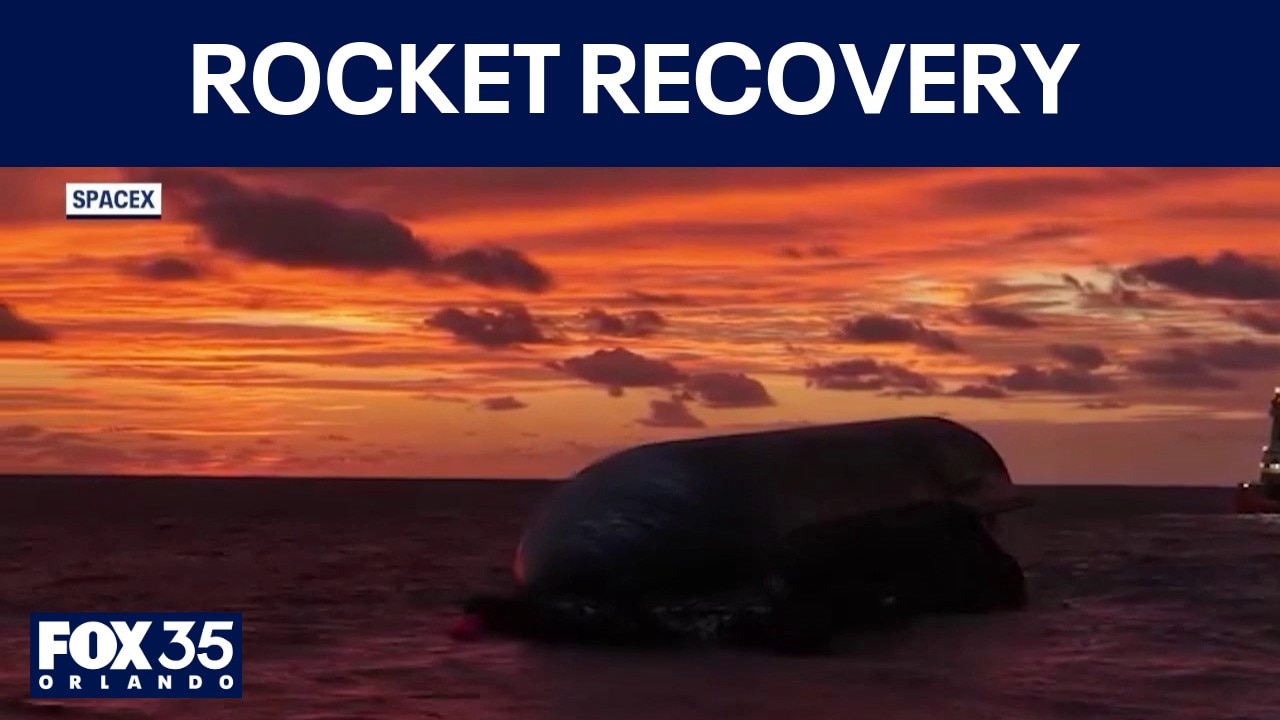
Looking like a massive whale resting on the surface of the water, the world's largest rocket is currently floating in the Indian Ocean, heading back to shore. However, managing a spacecraft of this size in open water presents unique maritime hurdles.
"As our Florida boaters know, big things in the water can be difficult to get them to do what you want them to do," said Don Platt, Director of the Florida Tech Spaceport Education Center.
That difficulty has already been felt on the water. SpaceX CEO Elon Musk recently took to X saying recovering the entire rocket may not be possible.
"Unfortunately, ship recovery is not looking good right now. Nonetheless, we were able to obtain close-up photos of critical regions of the heat shield and engines for future upgrades," Musk posted on social media.
Unfortunately, ship recovery is not looking good right now.
— Elon Musk (@elonmusk) August 7, 2026
Nonetheless, we were able to obtain close-up photos of critical regions of the heat shield and engines for future upgrades.
Rough recovery
Despite the rough conditions, the attempt isn't a total loss. Experts emphasize that simply getting near the vehicle while floating provides invaluable engineering insight.
"Get your eyes on the vehicle and to inspect it, take components of it apart and fully review them," Platt explained, noting that retrieving parts of the heat shield while still in the water will help SpaceX prepare for future launches.
However, open-ocean salvage carries high risks. If the rocket cannot survive the trip back to shore, SpaceX must prevent competitors or foreign nations from retrieving the sensitive aerospace technology.
"They are going to have to make a decision if they can’t bring it back to shore, they’re going to have to sink it," Platt said.
Taking operations offshore
Intentionally sinking rockets or conducting operations far off the coast may become a routine part of the commercial spaceflight industry.
"You can launch when you’re ready and there are fewer regulations," Platt said regarding the advantages of sea-based spaceport operations.
The federal government is currently weighing the idea of expanding offshore space launch and re-entry activities, and SpaceX is actively backing the effort. In a letter submitted to the Bureau of Ocean Energy Management (BOEM), the company expressed strong interest in off-land infrastructure:
"SpaceX supports use of the OCS [Outer Continental Shelf] for offshore space launch and reentry, including purpose-built and repurposed facilities for launch and catch operations of reusable spaceflight vehicles."
Platt noted that transitioning operations to the ocean could solve growing logistics issues surrounding Florida's busy space coast.
"There aren’t any shrimp boats around you, the cruise ships aren’t around, there’s no commercial jets in the area," Platt said.
While offshore spaceports could significantly ease air and maritime traffic congestion on land, industry experts and regulators caution that environmental impacts on marine ecosystems must be carefully evaluated before operations move fully out to sea.
The Source: Information in this story was gathered by FOX 35's Esther Bower. Bower spoke with a space expert and reviewed public comment submitted to the government by SpaceX on offshore space operations.