

Some water beads 'illegal' in US as federal safety rules go into effect
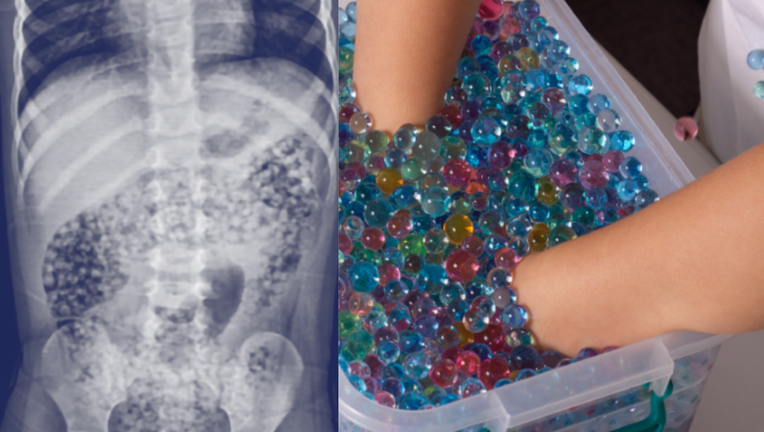
UNITED STATES - Thousands of children in the United States have been injured by water beads, a dangerous toy that is being targeted by new federal safety standards.
What we know:
Water bead toys manufactured after Thursday, March 12, must meet new federal performance, labeling and testing requirements:
- A maximum expansion size
- Limits on the amount of allowable acrylamide
- Strongly worded, visible warning labels
The new safety rules aim to reduce the risk of serious injury or death by preventing the toys from becoming large enough to cause blockage if ingested or inserted, reducing toxicity risks and cautioning customers.
The U.S. Consumer Product Safety Commission says that water bead toys that fail to meet the new standards are now illegal to sell in the United States.
"Manufacturers of these products, most of whom are based in China, must meet the new federal standard or face the full weight of CPSC enforcement," said CPSC Acting Chairman Peter A. Feldman.
Why are water beads dangerous?
Dig deeper:
Water beads are balls of super absorbent polymer that can grow up to 100 times their original size when exposed to water.
About 6,300 water bead-related ingestion injuries were treated in U.S. emergency departments from 2017 to 2022, according to CPSC. A 10-month-old girl also reportedly died in 2023.
What you can do:
If you do have water bead toys in your home, the CPSC offers these tips to keep children safe:
- Remove water beads from any area where young children may be present.
- Store water beads in a secure container and in a location where young children cannot easily access them.
- Do not allow children to play with water beads unsupervised.
- If a toy contains water beads, such as a ball filled with water beads, discard the product if beads start to come out.
- After use, clean the area and remove any beads that may have rolled away.
- Some water bead products are not marketed as children’s toys and fall outside the scope of this rule.
The Source: Information from this article was sourced from the U.S. Consumer Product Safety Commission.