

2 huge alligators killed after Florida woman dies in alligator attack, FWC says
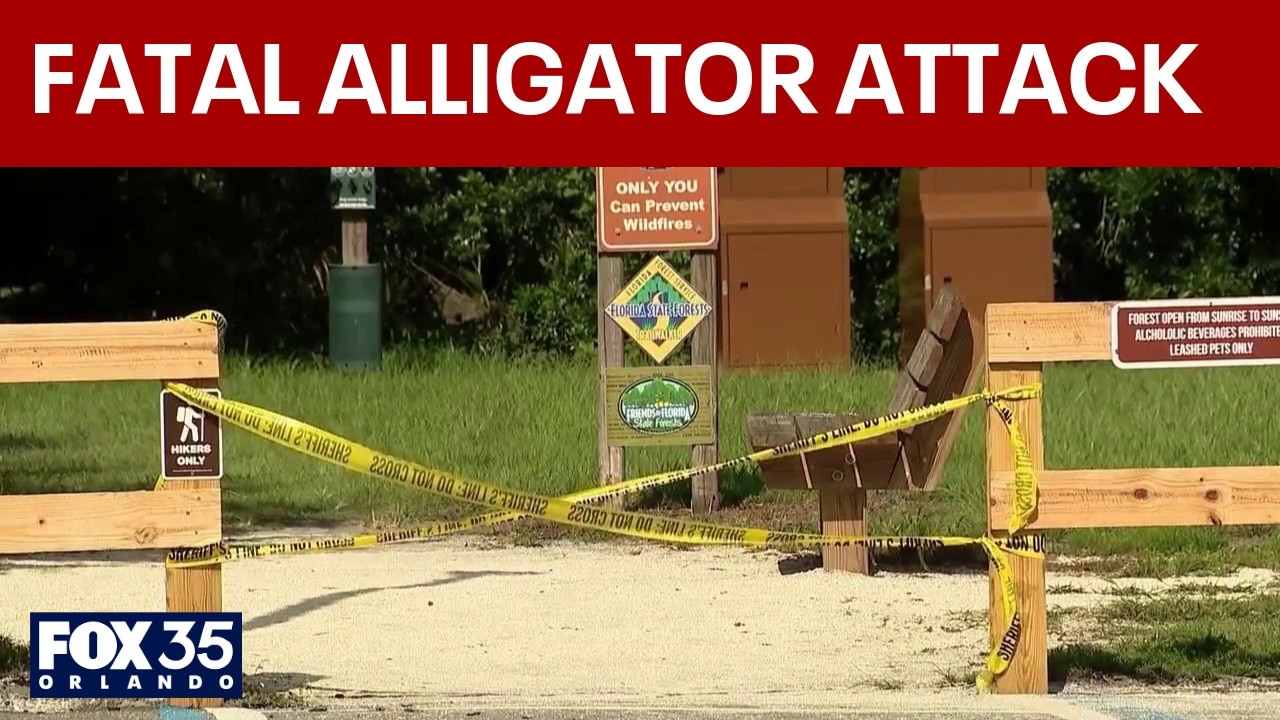
Woman dies after alligator attack in Central Florida river
A 31-year-old Orlando woman died after an alligator attacked her while she was in a Central Florida river, prompting wildlife officials to capture two large alligators as they investigate the fatal encounter.
GENEVA, Fla. - Update (June 30): The Florida Fish & Wildlife Conservation Commission (FWC) identified the woman killed as 31-year-old Brittany Clark.
Original story
Two massive alligators were trapped and killed in the Little Big Econ State Forest after an Orlando woman was attacked – and died – while swimming with her boyfriend and her best friend over the weekend, the Florida Fish & Wildlife Conservation Commission (FWC) said.
DNA samples from the alligators have been sent to a lab to determine if either one was the gator that attacked the woman, officials said during a Monday afternoon news conference.
Watch: Full press conference
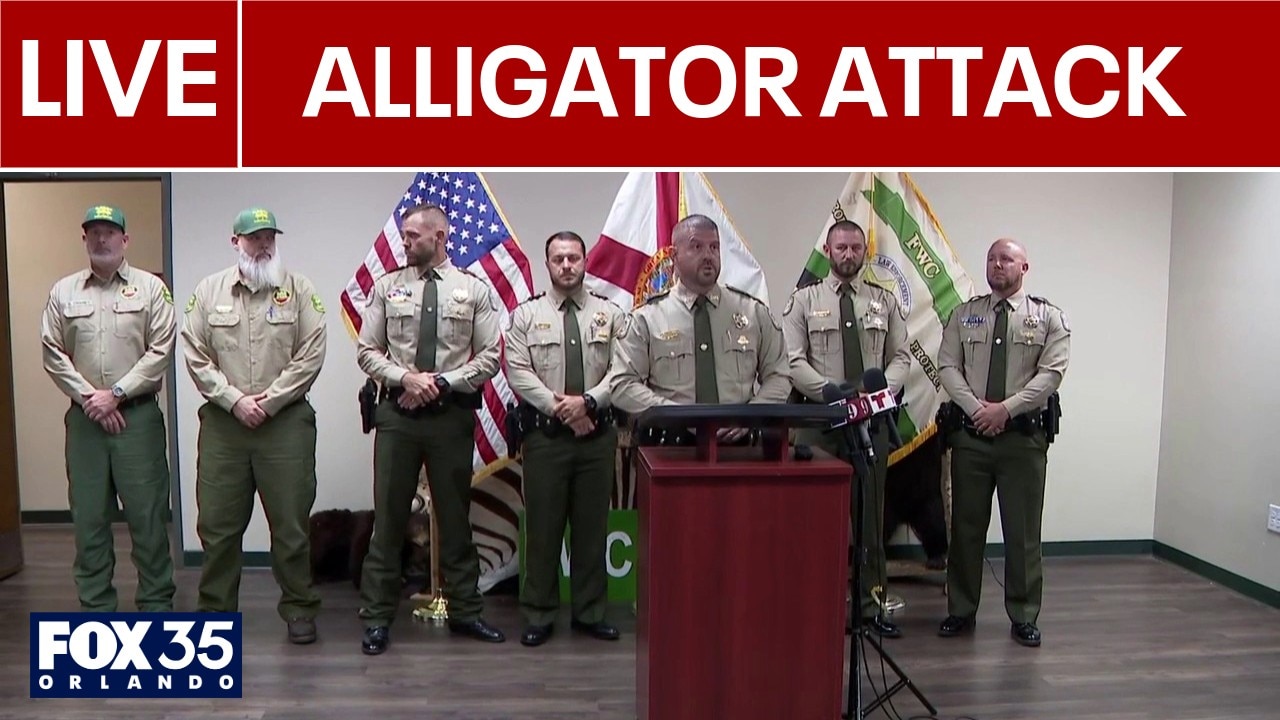
Update: Florida swimmer attacked, killed by alligator | Full
The Florida Fish & wildlife Conservation Commission (FWC) provides an update after a woman was attacked and killed by an alligator while swimming in the Econlockhatchee River in the Little Big Econ State Forest. Officials said the woman died while en route to the hospital.
Woman, boyfriend, best friend stopped to swim after a long hike, officials say
What we know:
Seminole County officials received a 911 call from the woman's boyfriend, around 1:30 p.m., June 28, who was "trying to get her from the alligator’s mouth," Chad Weber, Public Information Officer (PIO) for Florida Fish & Wildlife, said during a June 29 media briefing.
The woman was bitten on both of her arms, he said.
When first responders arrived, the woman was transported as a trauma alert to a nearby trauma center, Seminole County Fire reported.
The FWC later reported the woman died from her injuries.
FWC officials said the woman was hiking with her boyfriend when they stopped to swim in three feet of water.
Though it's not known what prompted the alligator to attack, Weber said, "Right now, in our investigation, it doesn’t look like they were doing anything malicious to the alligator."
2 alligators ‘harvested’ by trappers: FWC
Following the attack, officials used aerial tactics to locate and retrieve two exceptionally large alligators from the area, measuring 12 and 13 feet long.
The 13-foot alligator was located directly at the scene of the incident, while the 12-foot alligator was found nearby. Based on witness descriptions of a "very large alligator," officials believe one of these two reptiles was involved in the attack.
What's next:
The FWC has completed an analysis of the two alligators found, the agency said. The samples will be taken to the agency’s laboratory in Gainesville to determine whether the animals "harvested" were involved in the incident.
No designated swimming areas in Little Big Econ State Forest
The Florida Forest Service said there are no designated swimming areas within the Little Big Econ State Forest. That spokesperson said there is signage at the beginning of the Barr Street Trailhead that warns of alligator activity in the area.
The Barr Street Trailhead is closed until FWC concludes its investigation.
Alligators can be found in every county in Florida
Weber spoke about the risk of injury when entering Florida's water.
"Every body of water could potentially have an alligator in it," Weber said. "… There is some risk when you swim in the bodies of water in the state of Florida."
Weber didn't shed light on what might have prompted the attack, but said the end of alligators’ mating season is approaching, explaining that during this time alligators can be "very territorial."
"It’s hard to speculate and pinpoint what the exact reason was," he said.
What we don't know:
The FWC has not identified the woman who was killed as officials are still working to notify out-of-state family members of her death, officials said.
Activities at Little Big Econ State Forest
Little Big Econ State Forest is a popular recreation spot for biking, camping, fishing, hiking, paddling and more, the Florida Department of Agriculture's website said.
The winding Econlockhatchee River – known as "The Econ," which flows 17 miles through the forest – empties into the St. Johns River. The forest is home to a variety of wildlife, including alligators, southern fox squirrels, gopher tortoises, gopher frogs, bald eagles and more.
The Source: Information in this story was gathered from the Florida Fish and Wildlife Conservation Commission.