

Blue Origin explosion: Debris may wash ashore in Florida; here's what to do
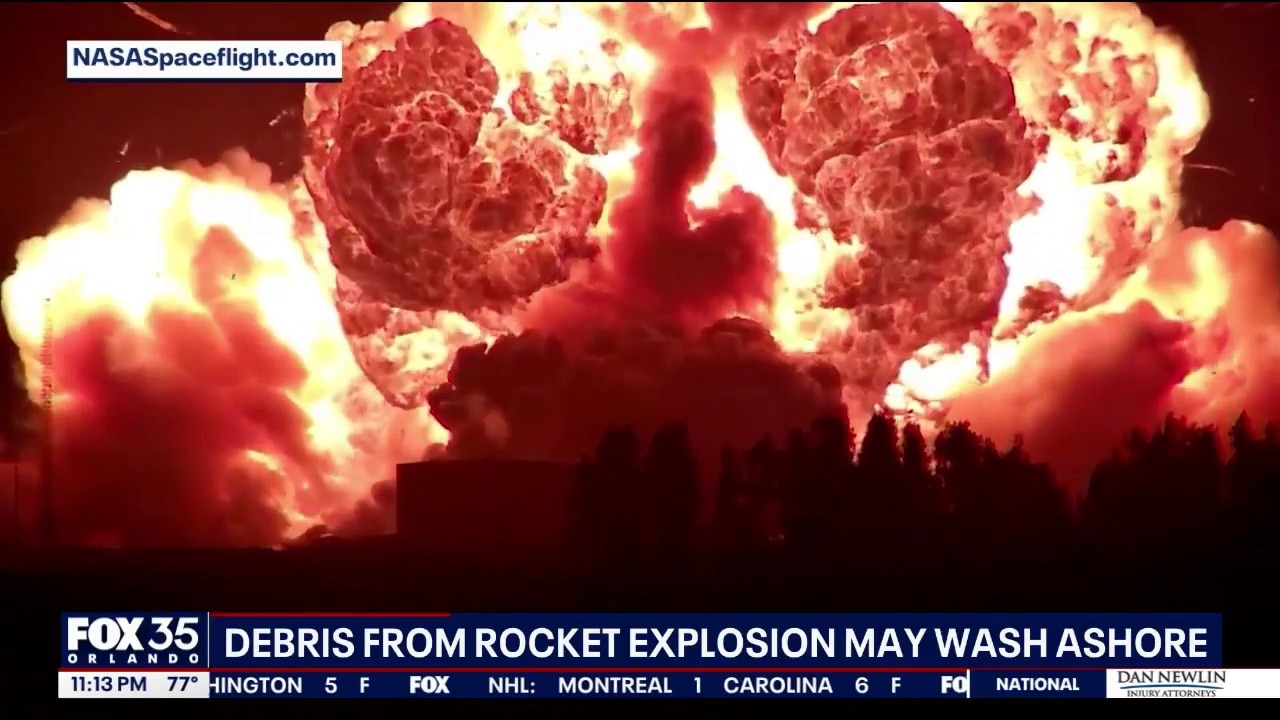
Blue Origin warns of possible rocket debris on beaches
Blue Origin is urging the public not to touch any suspected rocket debris that may wash ashore along Florida's Space Coast after a massive explosion destroyed a New Glenn rocket during a ground test.
CAPE CANAVERAL SPACE FORCE STATION, Fla. - Blue Origin's New Glenn rocket experienced an "anomaly" during a static fire test on the launch pad at Cape Canaveral Space Force Station, erupting into a massive fireball that illuminated the sky in an orange hue.
Fortunately, no one was hurt or killed in the explosion, officials said. Investigations have been launched to determine what happened and to check on the status of the launch pad.
The backstory:
People along Florida’s Space Coast are keeping an eye on local beaches after the explosion at a Blue Origin launch pad raised concerns that debris could eventually wash ashore.
While many beachgoers said they have not spotted anything unusual, officials are urging the public to remain alert and avoid touching any suspected rocket debris.
"I think a lot of people are looking and no one has seen anything," said George Matty, a visitor at the beach.
The possibility of debris reaching local shorelines has also raised questions about potential environmental impacts.
Captain Blair Wiggins, a former quality control inspector for flight control systems on the Space Shuttle orbiter, said one of his biggest concerns involves chemicals that may have been released during the emergency response.
"The chemicals that came off the firefighting equipment would be my biggest concern of environmental impact," Wiggins said.
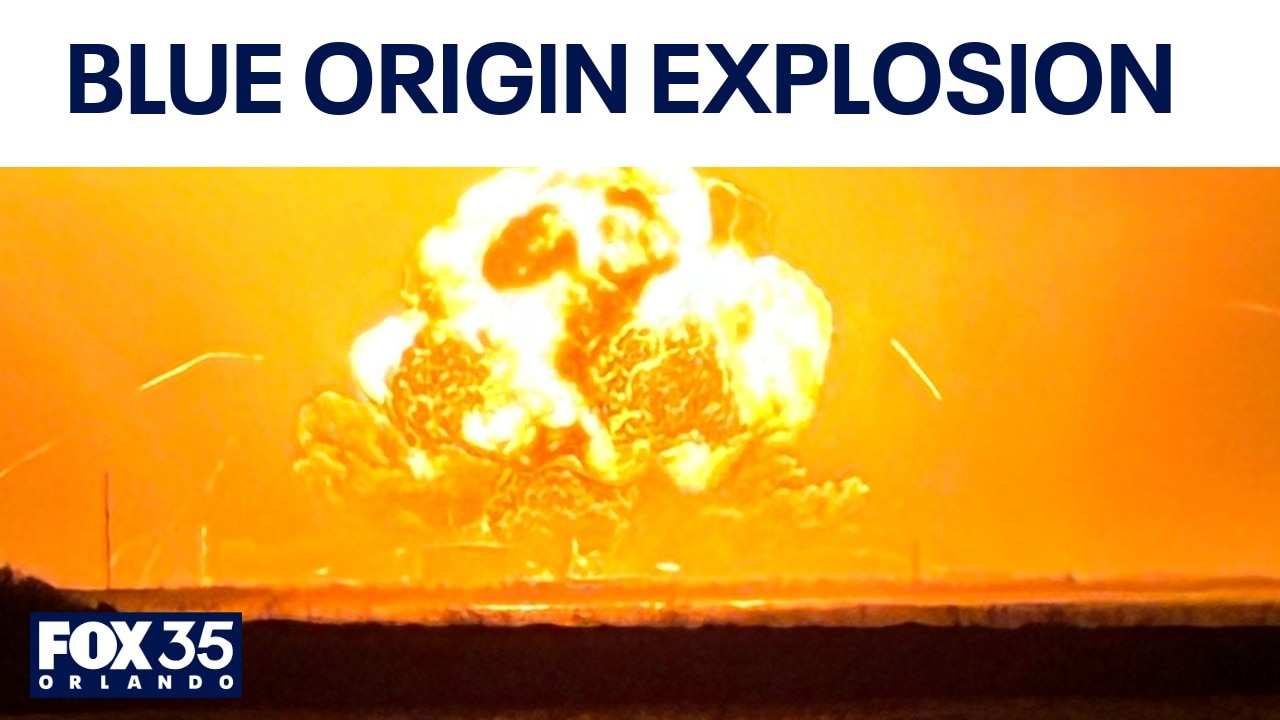
Debris scattered on Florida Space Coast after Blue Origin explosion
Launch Complex 36 costs Blue Origin over $1 billion to build, but now an explosion, triggered by an "anomaly" caused the launch pad to burst into flames. It's not known how much it will cost to fix the complex. If the pad is badly damaged, this will slow future launch plans down, experts say.
According to the Environmental Protection Agency, some firefighting foams used during emergency response operations can contain chemicals that persist in the environment for years.
The Florida Fish and Wildlife Conservation Commission said there have been no reported impacts to wildlife at this time. However, the agency said it continues to monitor the situation.
On the beach, some visitors said they have not found any signs of debris.
"We just decided to come out to see if we would see any debris and we’ve seen nothing," Matty said.
Others remain curious about items they have found.
"I was collecting shells and I saw little chunks of metal. I don’t know if it’s from the rocket, but it might be," said beachgoer Rowan Eubanks.
As investigators work to determine exactly what caused the explosion, Wiggins said recovering any possible debris will be an important part of the investigation.
"Every piece of debris out there, they want to recover all that so they can actually tell what happened," Wiggins said.
Officials warn not to touch debris
What they're saying:
Captain Blair Wiggins, former Space Shuttle quality control inspector explained, "The chemicals that came off the firefighting equipment would be my biggest concern of environmental impact." He continued, "Every piece of debris out there, they want to recover all that so they can actually tell what happened."
The Florida Fish and Wildlife Conservation Commission has reported no observed impacts on wildlife at this time, but the agency is continuing to monitor the situation.
Blue Origin warned that debris from the rocket and the explosion could wash ashore some of Florida's beaches over the next several days and weeks.
Do not touch or move it
If you happen to see some debris at the beach that you believe could be from the rocket, do not touch it or remove it, as it could potentially be hazardous, officials said.
"Launch vehicle debris is potentially hazardous, direct contact poses a risk to personal health and welfare," Cape Canaveral Space Force Station said in a statement.
Report the sighting to Blue Origin
Blue Origin has created a hotline and an email address for people to report sightings of potential wreckage from the rocket explosion:
- Call 1-321-222-4355
- Email: MissionRecovery@blueorigin.com
Only call 911 if the debris poses an immediate threat to public safety, Volusia County Beaches said in a statement.
Watch: Blue Origin rocket explodes into massive fireball
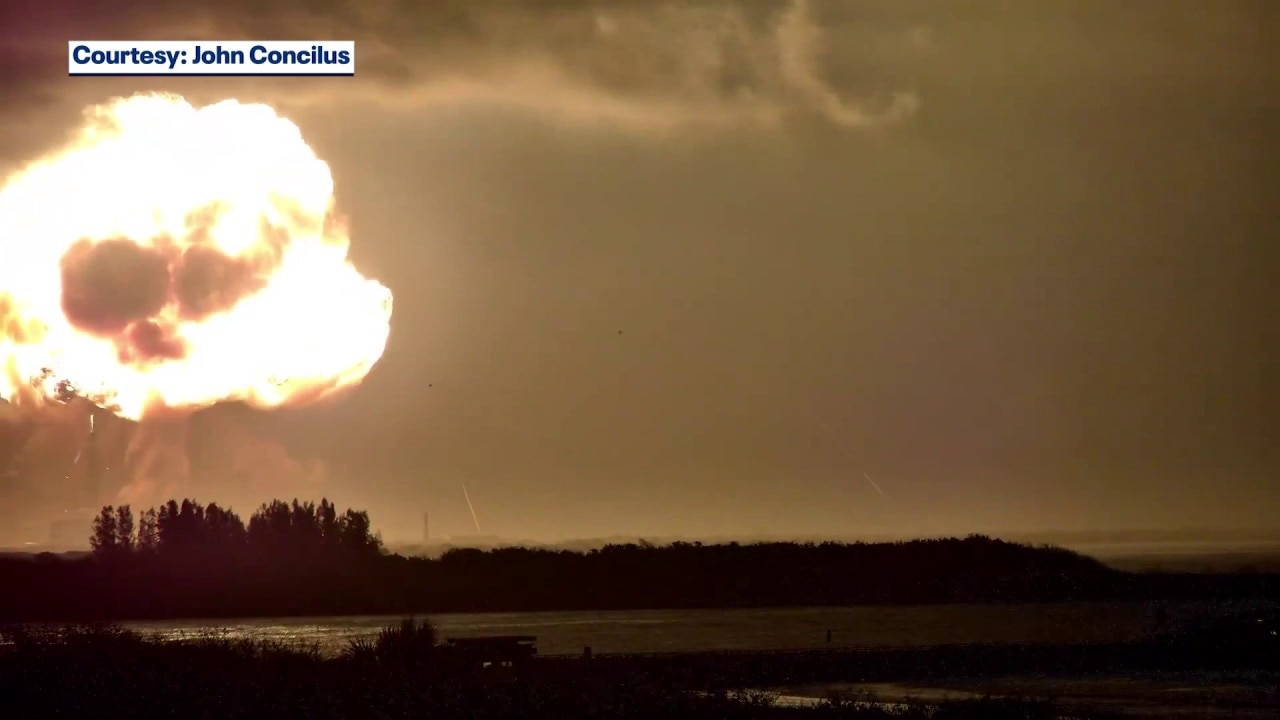
Watch: Blue Origin New Glenn rocket explodes during test
Blue Origin confirmed it experienced an "anomaly" during a static fire test Thursday night, resulting in the rocket appearing to explode on the launch pad. Fortunately, all people were accounted for and no one was hurt, officials said. John C. shared this video with us, which captured the explosion, sending massive plumes of fire and smoke into the air.
What's next:
Investigators are continuing to determine what caused the launch pad explosion and assess any potential environmental impacts. Officials are asking anyone who believes they have found possible rocket debris not to touch, move or collect it.
Instead, contact Blue Origin’s Wreckage Management Hotline at 321-222-4355 or email missionrecovery@blueorigin.com to report the location of the debris.
What they're saying:
The Source: The information used in the article is from Blue Origin, Cape Canaveral Space Force Station, Brevard County Emergency Management, and Volusia County Beaches.