

VA releases annual veteran suicide prevention report, prevention remains top clinical priority
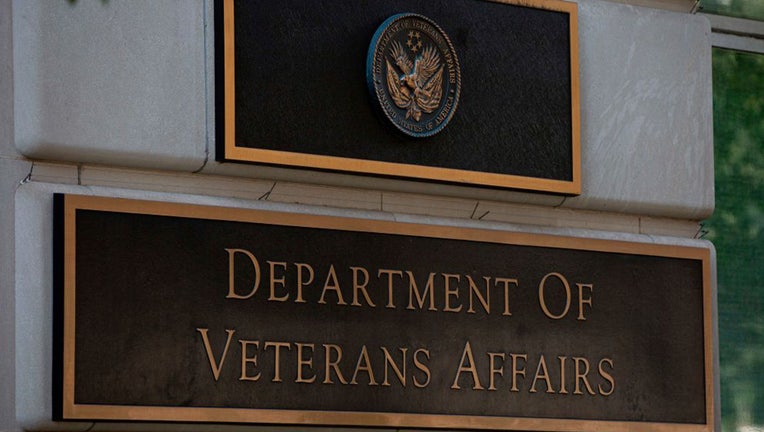
FILE - The US Department of Veterans Affairs building is seen in Washington, DC, on July 22, 2019. (Photo by Alastair Pike / AFP) (Photo credit should read ALASTAIR PIKE/AFP via Getty Images)
Suicide prevention continues to be the Department of Veterans Affairs' top clinical priority and the 2026 National Veteran Suicide Prevention Annual Report shows a decline in suicide rates among veterans enrolled in VA healthcare, but an increase in veterans who are not enrolled in VA healthcare.
If you’re a Veteran in crisis or concerned about one, contact the Veterans Crisis Line to receive 24/7, confidential support. You don’t have to be enrolled in VA benefits or healthcare to connect. To reach responders, Dial 988 then Press 1, chat online at VeteransCrisisLine.net/Chat, or text 838255.
What we know:
The 2026 report analyzes veteran suicides from 2001 to 2024, the most recent year for which data is available. The data shows suicide rates for Veterans Health Administration (VHA) enrollees fell 2.2% from 2001 to 2024, while rates for veterans not enrolled in VHA care increased by 70.8%.
The VA says all VA healthcare facilities provide veterans access to same-day emergency mental health care and a review of its suicide prevention programs was conducted to better measure their impact.
In addition, the VA says they have expanded efforts to refine programs that need improvement to prevent suicides and have increased efforts aimed at encouraging Veterans to sign up for VA care and seek help at the VA to lower the risks of suicide.
What they're saying:
"VA healthcare saves lives, so we’re making every effort to get more veterans into the system to get the care and benefits they’ve earned. That means deploying innovative new ways of reaching unenrolled veterans, screening them for suicide risk and expanding suicide prevention training both inside and outside VA. There is much more work to be done, however, and we will continue to fight for the men and women who served this country," said VA Secretary Doug Collins.
The VA says these approaches have resulted in:
- The VA is conducting a new outreach campaign that has helped enroll more than 270,000 new Veterans in VA healthcare in 2026 alone.
- VA teamed up with several large civilian health care providers in February 2025 to launch the Veterans Interoperability Pledge to identify at-risk Veterans and help them get the care they’ve earned at VA. The VA says this effort has helped to identify and contact 140,000 at-risk Veterans, 40% of whom had not recently been to VA.
- In May 2025, VA and the Pentagon signed a memorandum of understanding committing both agencies to improving the transition process for veterans exiting the military.
- For the first time in history, the VA says it is now tracking how effective its staff and partners are at getting Veterans into VA care, to determine what’s working and where the VA needs to improve.
VA’s suicide prevention efforts across the country
The Veterans/Military Crisis Line is a free, confidential resource that provides Department of Veterans Affairs support for all service members, including members of the National Guard and reserve, and all veterans and their families, even if they are not registered with the VA or enrolled in VA health care.
If you or someone you know is in a crisis, there is help – contact the Veterans/Military Crisis Line. Dial 988, then press 1 or text 838255, or chat online with a VA responder.
The VA continues to make preventing veteran suicides its top priority with programs and efforts yielding positive results.
By the numbers:
- In fiscal year 2026, VA answered more than 1.3 million calls, chats and texts from Veterans in need through the Veterans Crisis Line, an increase of more than 7% compared to the same time last year, with a Veteran satisfaction rate consistently over 97%.
- In FY 2026, the VA saved 135 Veteran lives by identifying at-risk Veterans and intervening in suicide attempts.
- In 2018, the VA launched RISK ID, a comprehensive suicide risk evaluation screening that helps the VA flag and care for at-risk veterans. In May 2026, the VA announced it is screening veterans for suicide risk and providing comprehensive evaluations at a record pace. Through August 2026, VA completed more than 5.5 million suicide risk screenings, approximately 100,000 more Veterans than in 2025.
- Eligible Veterans can receive emergency suicide care under the benefits afforded by the Veterans Comprehensive Prevention, Access to Care, and Treatment Act of 2020 (COMPACT), at any emergency department at no cost. Since 2023, almost 50,000 veterans have used this benefit.
- VA’s Staff Sergeant Parker Gordon Fox Suicide Prevention Grants Program, recently awarded $112 million to 191 community organizations. In 2025 alone, about 17,000 veterans, service members, and families received services through Fox grantees, up by over 4,000 from 2024.
- In November 2025, the VA announced it housed the largest number of homeless Veterans in seven years, a critical improvement as homelessness looms as a major factor in Veteran suicide.
VA awards $111.9 million in suicide prevention grants
The VA has awarded $111.9 million in grants to 191 community organizations across the country hat provide suicide prevention services to veterans.
The funds are made available through the Staff Sergeant Parker Gordon Fox Suicide Prevention Grant Program and will become available at the start of fiscal year 2027 on Oct. 1.
What they're saying:
"Community organizations are critical to reaching Veterans who may not otherwise connect with VA care," said VA Secretary Doug Collins. "VA’s Fox grant program often serves as a bridge between vital federal resources and vulnerable Veterans in need of help."
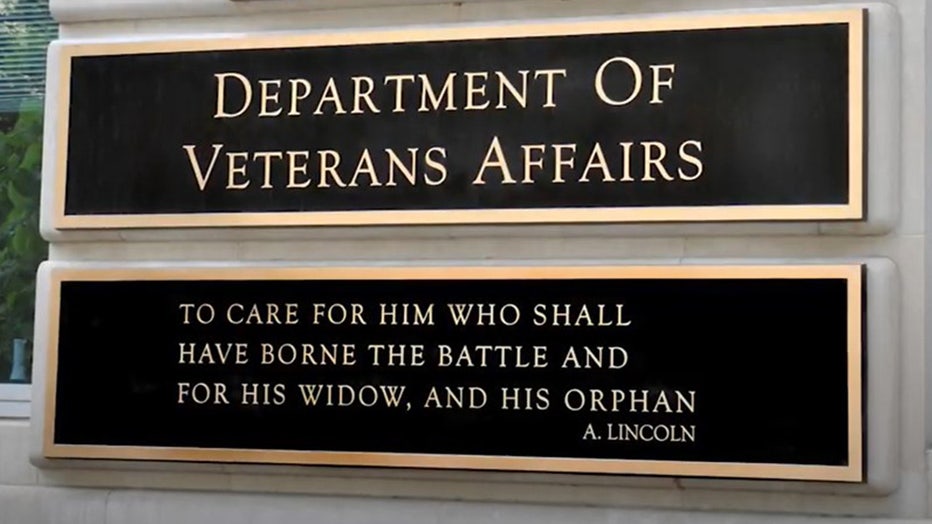
Mission statement of the U.S. Department of Veterans Affairs
The backstory:
The VA was established as the Veterans Administration in 1930 and was elevated to a cabinet-level executive branch agency in 1989. In addition to hospitals, the VA also operates the Veterans Benefits Administration (VBA) and the National Cemetery Administration (NCA).
The Source: This article includes information from the U.S. Department of Veterans Affairs (VA). This story was reported from Orlando.