

ULA Atlas V launches 29 Amazon Kuiper satellites from Cape Canaveral
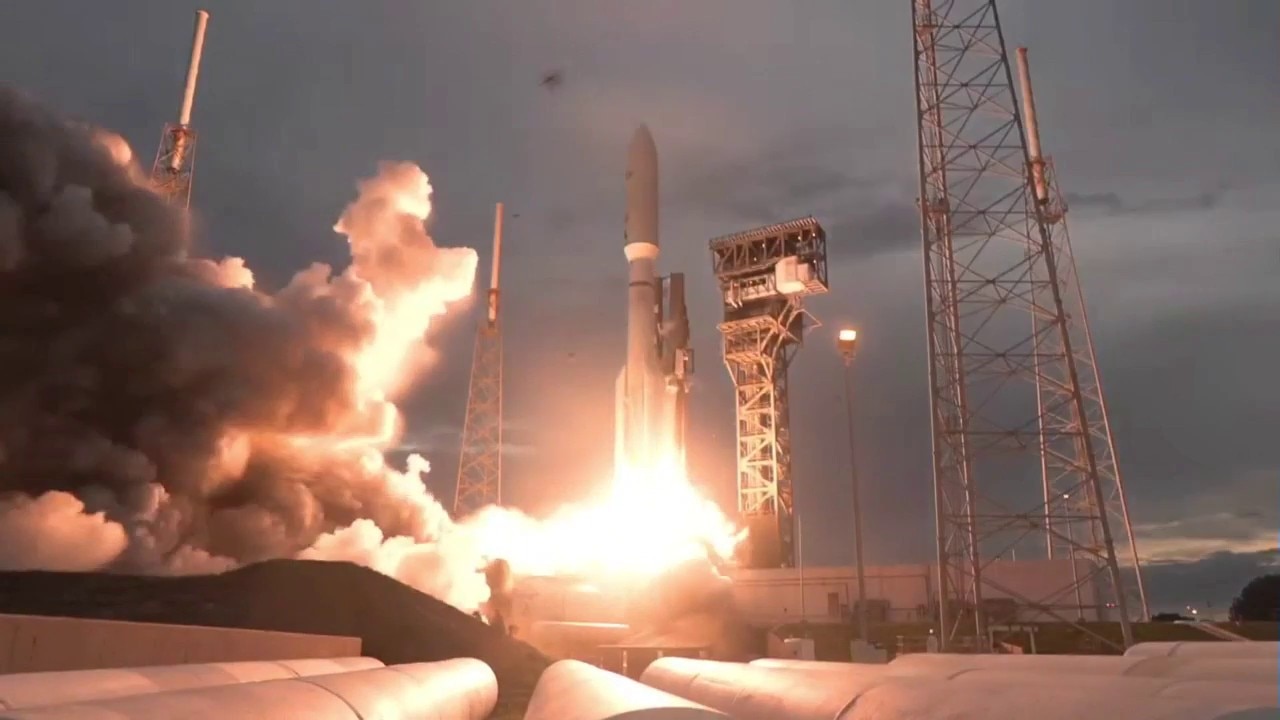
ULA Atlas V launches 29 Amazon Kuiper satellites from Cape Canaveral
United Launch Alliance (ULA) launched an Atlas V rocket Friday evening carrying 29 satellites for Amazon's Project Kuiper internet constellation.
CAPE CANAVERAL, Fla. - United Launch Alliance (ULA) launched an Atlas V rocket Friday evening carrying 29 satellites for Amazon's Project Kuiper internet constellation.
Liftoff from Space Launch Complex 41 at Cape Canaveral Space Force Station was at 7:53 p.m. EDT.
Dig deeper:
After a 20-minute delay, weather conditions were favorable for launch, with officials reporting a "go" for liftoff. By 7 p.m., all three cryogenic propellant tanks had been filled to flight levels, leaving the rocket fully fueled and ready for launch.
The mission, known as Amazon Kuiper 7, is part of Amazon's effort to build a global broadband network using thousands of satellites in low Earth orbit.
CLICK TO DOWNLOAD THE FOX LOCAL APP
The company plans to deploy more than 3,000 satellites as part of the constellation, which is designed to provide high-speed internet service to customers in areas with limited or no access to traditional broadband networks.
Shortly after liftoff, the Atlas V will perform a series of pitch, yaw and roll maneuvers to place the rocket on a northeasterly trajectory, ULA explained The vehicle is expected to reach a 280-mile-high (450-kilometer) orbit.
SIGN-UP FOR FOX 35'S BREAKING NEWS, DAILY NEWS NEWSLETTERS
The mission will use an Atlas V 551 configuration, featuring five solid rocket boosters and a 17.7-foot (5.4-meter) payload fairing. The rocket stands about 205 feet (62.5 meters) tall.
The first stage is powered by a Russian-built RD-180 engine fueled by RP-1 kerosene and liquid oxygen. The engine, combined with five solid rocket boosters, provides more than 2.7 million pounds of thrust at liftoff.
After first-stage separation, the Centaur upper stage will perform a single engine burn to place the satellites into their intended orbit. The Centaur is powered by an RL10C-1-1 engine fueled by liquid hydrogen and liquid oxygen.
ULA released visibility maps showing the rocket could be visible across much of Florida and portions of the Eastern Seaboard, weather permitting.
The Source: This story was written based on information shared by United Launch Alliance (ULA).