

Infections linked to 2.3 million global cancer cases in 2024, study finds
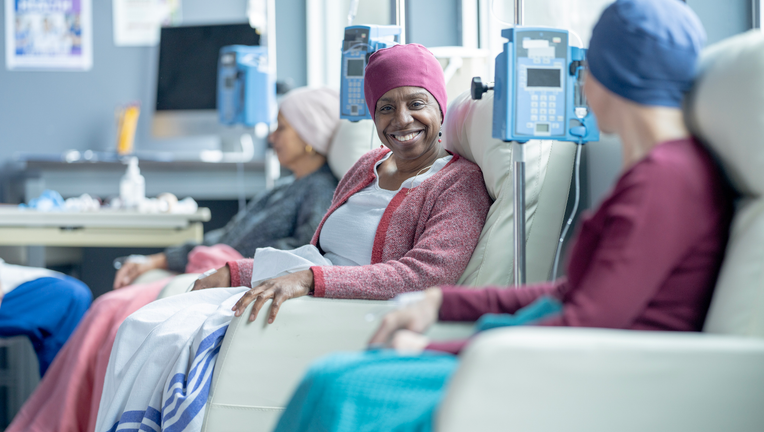
About one in eight new cancer cases worldwide in 2024 — approximately 2.3 million cases — were associated with infections, according to a new analysis by the International Agency for Research on Cancer (IARC).
Dig deeper:
Researchers identified 12 infections linked to cancer in humans: Helicobacter pylori (H. pylori), human papillomavirus (HPV), hepatitis B virus (HBV), hepatitis C virus (HCV), Epstein–Barr virus (EBV), Kaposi sarcoma-associated herpesvirus, Schistosoma haematobium, HTLV-1, Opisthorchis viverrini, Clonorchis sinensis, Merkel cell polyomavirus and HIV.
RELATED: Susie Wiles says she has no evidence of cancer after treatment
Five infections accounted for nearly all infection-related cancer cases worldwide:
- H. pylori: Approximately 760,000 cases.
- HPV: Approximately 750,000 cases.
- HBV: Approximately 360,000 cases.
- EBV: Approximately 260,000 cases.
- HCV: Approximately 160,000 cases.
What they're saying:
"The findings underscore the major role that infection control can play in reducing the global cancer burden," said study co-author Dr. Harriet Rumgay, a scientist in the Cancer Surveillance Branch at IARC, in a press release.
"Despite progress in vaccination and screening, infection-related cancers remain a major global challenge, with the burden falling disproportionately on populations in low- and middle-income countries."
The researchers said many of the cancers associated with these infections may be preventable through vaccination, treatment or screening.
The study was conducted in France and examined cancer data from 2024. Its findings were published Sept. 28 in The Lancet Oncology.

Connecting Cancer Survivors with Practical Resources
Shannon Miller, CEO of Salto Health, joined Ryan Schmelz on LiveNOW from FOX to discuss empowering cancer survivors during recovery. Her company provides a specialized gift registry designed to give patients practical support from loved ones throughout their treatment.
Study limitations
Why you should care:
The researchers acknowledged several limitations in the analysis.
Because the study relied on population-level estimates instead of following individual patients over time, its findings depended on the accuracy and availability of cancer data from each country.
The analysis also included only infections that have already been established as cancer-causing, meaning the overall impact of infections could be underestimated.
"We know that there are certain infections that we are exposed to over our lifetime that may result in an increased risk of certain cancers," Dr. Joshua Cohen, medical director of the Gynecologic Cancer Program of City of Hope Orange County in Irvine, California, told Fox News Digital.
RELATED: Cancer risk may be higher for people with one particular type of job
"However, most cancers are not caused by infection."
Cohen, who was not involved in the study, said HPV is one of the most common causes of cancers affecting the rectum, vagina and cervix, as well as the oropharynx, or the back of the throat.
"Eighty percent of the population has been exposed to certain types of HPV strains," he said. "About 40,000 people in the U.S. are diagnosed with these cancers each year."
For most people infected with HPV, the immune system clears the virus without treatment, Cohen said.
"We don't know why some patients' immune systems allow them to clear the HPV infection and some don't."
Cohen also pointed to gastric cancer, which is less common in the U.S. but remains prevalent in other parts of the world. The disease has been linked to H. Pylori, a stomach infection.
"We don't screen everybody for H. pylori in the U.S. — it's more common in other parts of the world, like Southeast Asia."
People with peptic ulcer disease or significant epigastric pain should speak with a gastroenterologist about testing and treatment for H. pylori, Cohen advised.
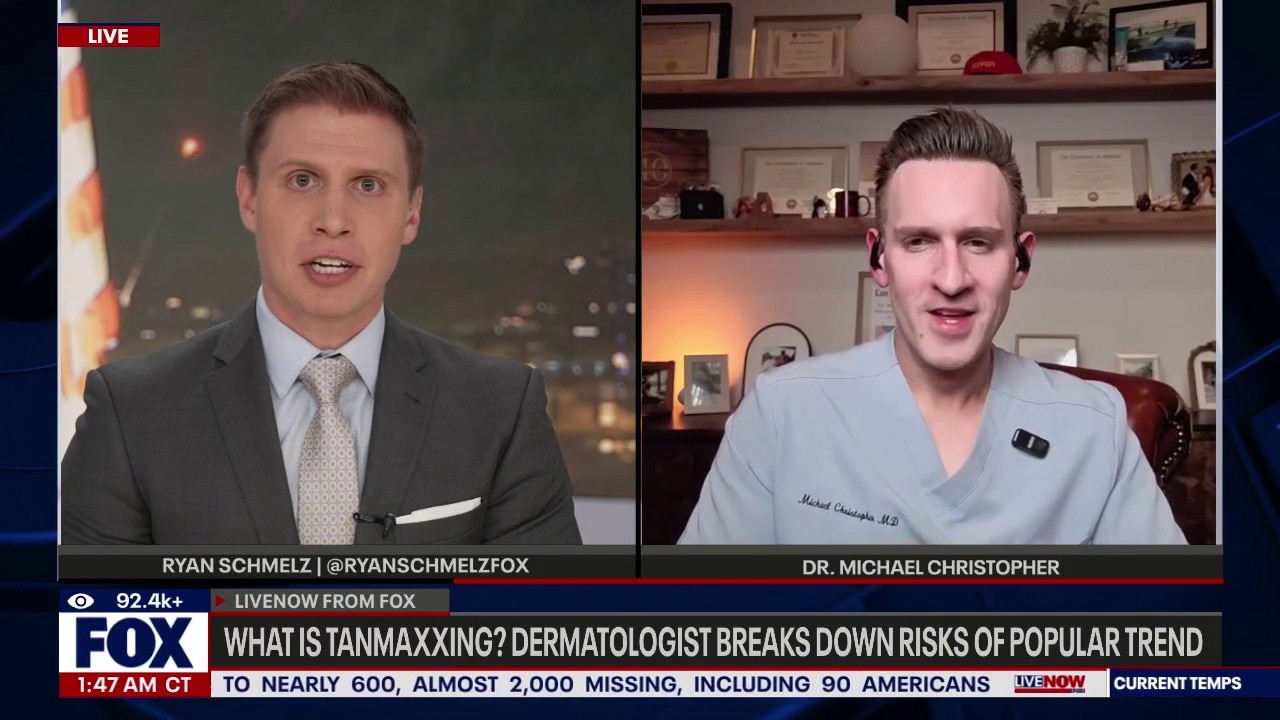
Dermatologist discusses new Moderna cancer vaccine
Moderna and Merck are reporting promising results from a personalized mRNA cancer vaccine designed to help prevent melanoma from returning or spreading. Dermatologist, Dr. Michael Christopher weighs in.
Prevention strategies
What you can do:
Cohen said people can take steps to lower their risk of developing cancers associated with infections.
"As a patient, the most important thing is to think about your health, what you can do to prevent yourself from developing these infections or your family," he said.
"And if you do have one of these infections, what can you do to reduce your risk of developing a subsequent cancer?"
He noted that Americans have access to an HPV vaccination that can help prevent several infection-related cancers.
"If you’re under the age of 45 and you've not had an HPV vaccination, there is various good safety data that you should get vaccinated," he said. "That will cover, at least in the U.S., most risks regarding oropharyngeal cancers, vaginal cancers, cervical cancers, penile cancers and anal cancers."
Cohen also stressed that being diagnosed with one of the infections identified in the study does not necessarily mean a person will develop cancer.
"The vast majority of patients who have an HPV infection or H. Pylori, or even hepatitis B or C, are not going to develop cancer," he said.
Still, because these infections are associated with certain cancers, people should seek medical care and follow recommended treatment.
Symptoms including epigastric pain, which is discomfort in the upper middle portion of the abdomen, acid reflux, abnormal vaginal bleeding or pain when swallowing can be associated with medical conditions linked to certain infections or cancer, the doctor warned.
"There are steps we can take as doctors to keep you safe and hopefully reduce the risk of developing cancer for those that have had an infection," Cohen added.
The Source: FOX News contributed to this report. The story is based primarily on a new analysis from the International Agency for Research on Cancer that examined global cancer data from 2024. The findings were published Sept. 28 in The Lancet Oncology. The story also includes comments from study co-author Dr. Harriet Rumgay and Dr. Joshua Cohen, medical director of the Gynecologic Cancer Program at City of Hope Orange County, who was not involved in the research. This story was reported from Los Angeles.