

The hidden cost of GLP-1s: Popularity surge raises long-term affordability questions

Controversy surrounding diabetes drug, Ozempic, being used for weight loss
The diabetes drug, Ozempic, has been in the headlines, causing quite a stir. Senior writer for Drugwatch.com, Terry Turner, joined LiveNow to discuss how some people are ending up in the hospital, for misusing Ozempic as a weight loss drug.
CHICAGO - As the use of GLP-1s has surged across the United States, the average total payments per user have also climbed sharply, a new study reveals.
The findings underscore and raise questions about the long term affordability of the increasingly popular drugs that many patients may take for years or even decades.
Published July 17 in the Journal of the American Heart Association, researchers at Northwestern University analyzed data from the Medical Expenditure Panel Survey, reviewing nearly 1,900 participants who reported using a GLP-1 medication between 2017 and 2022. The authors estimate the sample is representative of more than 20 million U.S. adults.
For the spending trends, the research team looked at total payments (from patients, insurance, employers, Medicare, Medicaid and other programs) and out-of-pocket payments made directly by patients and their families.
Rise of GLP-1s raise affordability questions
By the numbers:
According to the study’s findings, the use of GLP-1 medications among U.S. adults without diabetes increased more than sixfold between 2017 and 2022.
Researchers found that GLP-1 use among adults without diabetes surged 643% during the five-year period, compared with a 230% increase among adults with diabetes. At the same time, average total payments per patient – which included out-of-pocket costs as well as payments from private insurers, employers and government programs – increased 157% for adults without diabetes and 36% for those with diabetes.
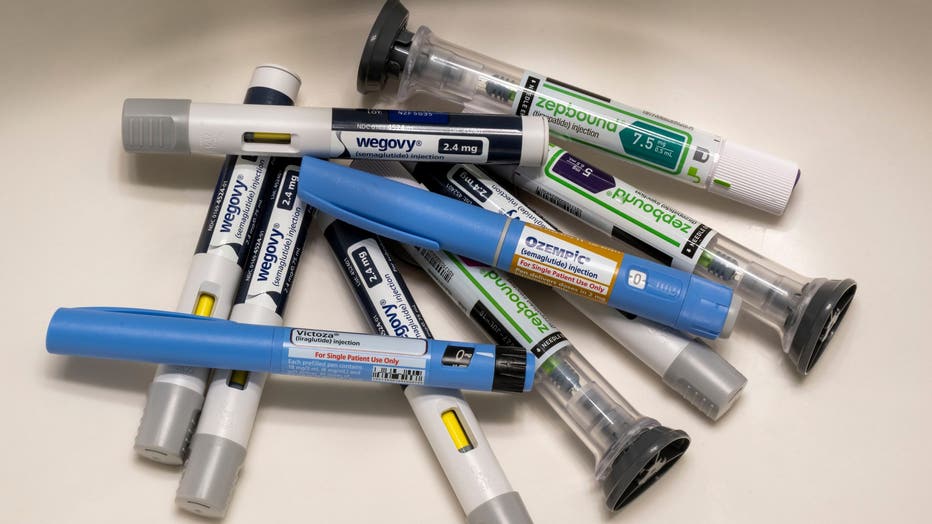
Photo illustration of a sink full of weight loss medications. (Credit: Michael Siluk/UCG/Universal Images Group via Getty Images)
The study period included the 2017 FDA approval of Ozempic for Type 2 diabetes and the 2021 approval of Wegovy for chronic weight management. It did not include tirzepatide products such as Mounjaro and Zepbound, which were approved for weight loss after the study period.
Despite rising overall spending, patients generally paid less out of pocket. Average out-of-pocket costs fell 26% among adults without diabetes and 39% among those with diabetes over the study period.
Researchers said the decline likely reflects broader insurance coverage and other payment mechanisms, even as the total cost of the medications continued to climb.
GLP-1 use surges
Big picture view:
The findings come as policymakers and insurers grapple with the growing demand for GLP-1 drugs.
Earlier this month, Medicare launched a temporary program allowing millions of eligible seniors to access GLP-1 medications for a flat $50 monthly copayment.
What they're saying:
"Higher total costs of GLP-1 drugs might drive up taxes and increase insurance premium payments both for people taking GLP-1s and those not," study author Dr. Michael Hammond, a recent graduate of the internal medicine residency program at Northwestern’s McGaw Medical Center, said in a statement.
Senior author Xiaoning Huang, an assistant professor of medicine in Northwestern University's Feinberg School of Medicine, also said the financial impact of expanding GLP-1 use extends well beyond patients taking the drugs.
RELATED: Here's how many Americans say they are now taking GLP-1 drugs
"On the commercial side, employers and insurers facing higher drug spending tend to pass it through in the form of higher premiums, higher deductibles or tighter rules," said study senior author Xiaoning Huang, assistant professor of medicine in the division of cardiology at Northwestern University Feinberg School of Medicine.
He added that "the bill ultimately lands on premium payers, taxpayers and, in some cases, on patients who lose coverage or face new hurdles."
The authors said additional research is needed to identify policies that could reduce both overall spending and patients' out-of-pocket costs while maintaining access to the medications.
What are GLP-1 weight loss drugs?
Dig deeper:
According to GoodRX, GLP-1 medications mainly help manage blood sugar (glucose) levels in people with Type 2 diabetes, and, in some cases, can also help treat obesity.
In short, the drugs trigger insulin release, reduce glucose production in your liver and make a person feel full.
The drugs have reshaped the treatment of diabetes and obesity, and more Americans than ever are turning to the drugs to lose weight and boost health.
RELATED: New GLP-1 drugs could suppress desire for more than just food, study suggests
The rapid rise in GLP-1 usage continues to align with broader improvements in national health, particularly aiding in lowering obesity rates. While many people recognize the brand names, the lower-cost compounded alternatives are expanding access and helping push overage usage.
How many people are using GLP-1 medications
By 2022, semaglutide become the dominant GLP-1 medication, accounting for 54% of use among adults with diabetes and 65% among adults without diabetes, the study noted.
According to another recent poll, the share of U.S. adults currently taking GLP-1 medications for weight loss has climbed to 11% in 2026, up from 3% just two years ago. In total, 15% of Americans say they have used a GLP-1 drug for weight loss at some point. Only 6% said the same in 2024.
Since the FDA approved Wegovy in 2021 and Zepbound in 2023, public awareness of GLP-1 drugs have surged. Now, 91% of Americans recognize these medications. That’s up 80% since 2024, the poll explained.
After peaking at 39.9% in 2022, the national adult obesity rate has fallen to 36.4% in 2026, mirroring ring GLP-1 usage. Meanwhile, after 15 years of gradual increases connected to rising obesity, the number of Americans diagnosed with diabetes has essentially remained the same since 2023 in terms of percentages.
The Source: The study, "Trends in Usage and Payments for Glucagon-Like Peptide 1 Receptor Agonists in the United States, 2017 to 2022: A Nationally Representative Repeated Cross-Sectional Study," was funded by the National Institutes of Health. This story was reported from Los Angeles.