

Wildlife advocates say proposed FWC sloth rules fall short after Sloth World deaths
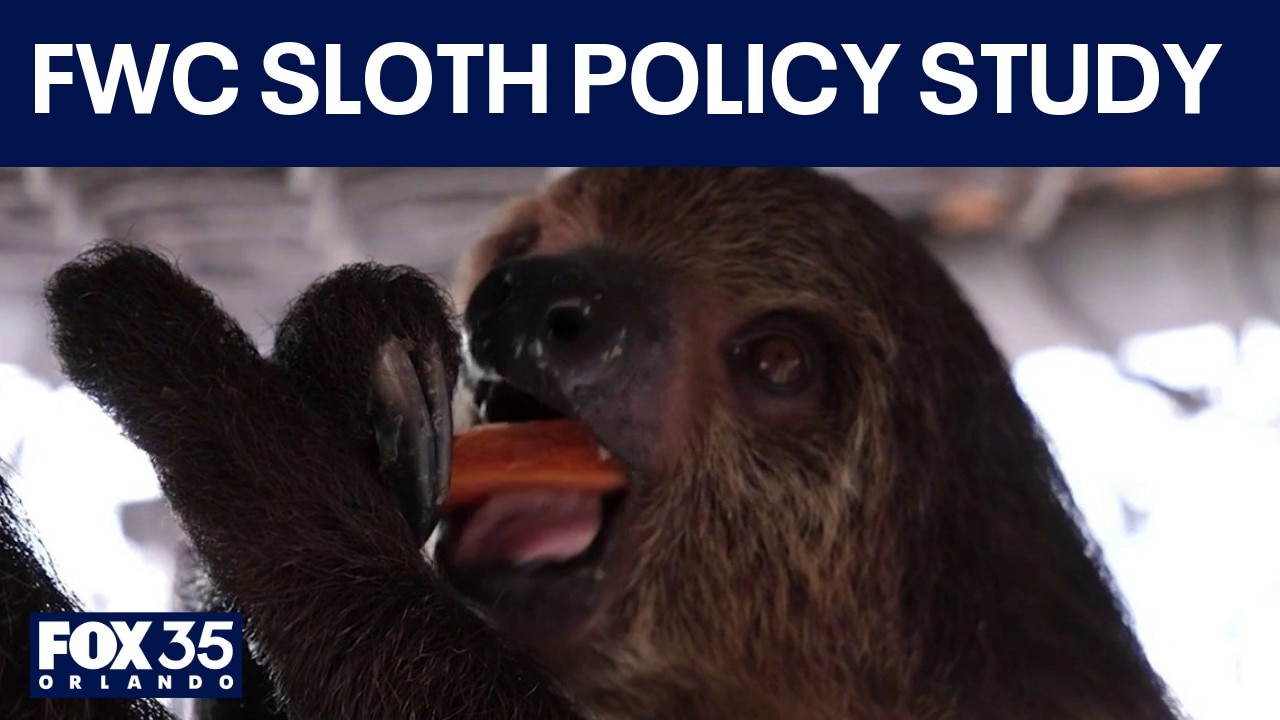
FWC lays out policy changes for import of sloths in Florida
Florida wildlife officials are seeking public input on proposed regulations for sloth ownership following the deaths of more than 50 sloths at Central Florida's Sloth World, but conservation groups say the changes fall short of preventing another tragedy.
ORLANDO, Fla. - Florida wildlife officials are seeking public input on proposed regulations for sloth ownership following the deaths of more than 50 sloths at Central Florida's Sloth World, but conservation groups say the changes fall short of preventing another tragedy.
The Florida Fish and Wildlife Conservation Commission held a public meeting Wednesday to gather feedback on the proposed rules. No action was expected, with the meeting intended to collect comments before any regulations are finalized.
Big picture view:
The proposed four-page rule changes come after the FWC investigated the Sloth World deaths and said it found no evidence of intentional neglect or wrongdoing. Instead, the agency is proposing new permitting requirements for future sloth owners.
Among the proposed changes, applicants would have to be at least 18 years old instead of 16 and document either 1,000 hours of sloth-specific experience or 500 hours plus passing a written examination. The rules would also require an FWC inspection of facilities before permits are approved.
Licensed corporations would have to show employees have at least one year of documented sloth experience and provide references and permit records. Applicants would also have to report how many sloths and other Class II or Class III wildlife they already own.
However, the proposal would continue classifying sloths as Class III wildlife, the same category as animals such as squirrels and skunks.
'It's just not far enough'
What they're saying:
Conservation groups said the proposal does not address the underlying welfare concerns highlighted by the Sloth World case.
"It is a step in the right direction. It's just not far enough. It's not enough steps," said Dr. Rebecca Cliffe, director of the Sloth Conservation Foundation.
Cliffe said stronger welfare standards are needed in addition to stricter permitting requirements.
"Enforcement only works if you've got better standards to enforce, and they've not actually changed the standards of welfare that are required for the sloths," Cliffe said. "Enclosure sizes, and the diet, and the way these animals are being held and maintained — none of that has been changed."
Sam Trull, executive director and co-founder of The Sloth Institute, said the proposal also fails to address public encounters with sloths, establish veterinary care standards or apply the new rules to current sloth owners.
"Personally, I just don't think that that's enough protection or that that is going to result in really saving many sloth lives," Trull said.
Trull said she believes stronger action is needed to protect sloths both in captivity and in the wild.
"What we really wanna see is a ban on the importation of sloths into the U.S. because that's the only thing that's really gonna protect sloths in the wild and protect their welfare, because they shouldn't be coming in and going into these private captive facilities," she said.
Critics also noted the proposal does not require owners to report sloth deaths to the state. Wildlife advocates argue such a requirement could have helped identify problems sooner and potentially reduced the number of deaths linked to Sloth World.
The FWC will consider public comments before deciding whether to adopt the proposed regulations.
The Source: This story was written based on information shared by the Florida Fish and Wildlife Conservation Commission, Dr. Rebecca Cliffe, director of the Sloth Conservation Foundation, and Sam Trull, executive director and co-founder of The Sloth Institute.