

No hurricanes yet in the Atlantic? It could set a new record this week. Here's how.
Atlantic hurricane season could set new record this week
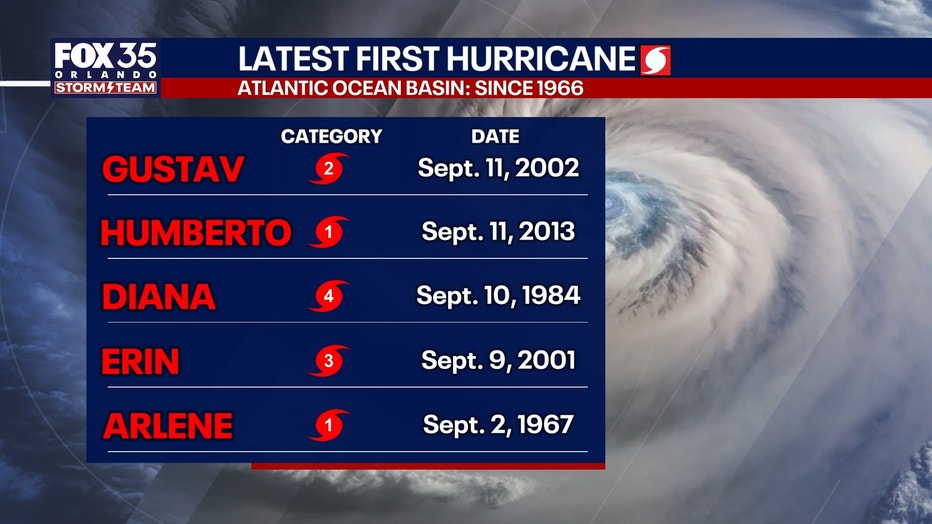
There have been five short-lived tropical storms during the 2026 Atlantic hurricane season and zero hurricanes so far. And it could set a record by the end of the week. If a hurricane doesn't form by Friday, Sept. 11, it’ll be the latest start to an Atlantic hurricane season on record during the modern satellite era.
There have been five short-lived tropical storms during the 2026 Atlantic hurricane season and zero hurricanes so far. And it could set a record by the end of the week.
Will we set a new record?
What we know:
If a hurricane doesn't form by Friday, Sept. 11, it’ll be the latest start to an Atlantic hurricane season on record during the modern satellite era.
There is no tropical activity expected over the next 7 days in the Atlantic, according to the National Hurricane Center.
The backstory:
Weather satellites weren't launched into space until the mid 1960s. In the pre-satellite era, detecting hurricanes far out in the ocean was much more difficult.
The 1907 and 1914 Atlantic seasons officially had zero hurricanes. But there’s a catch. This was before weather satellites started tracking storms in 1966. If a storm stayed out at sea and missed ships or land, no one likely knew it existed or happened.
Without eyes in the sky, late bloomers were more common in the official record books. For example, one storm didn't become a hurricane until October 8, 1905.
Here are the latest first hurricanes since 1996
2026 Atlantic hurricane season
By the numbers:
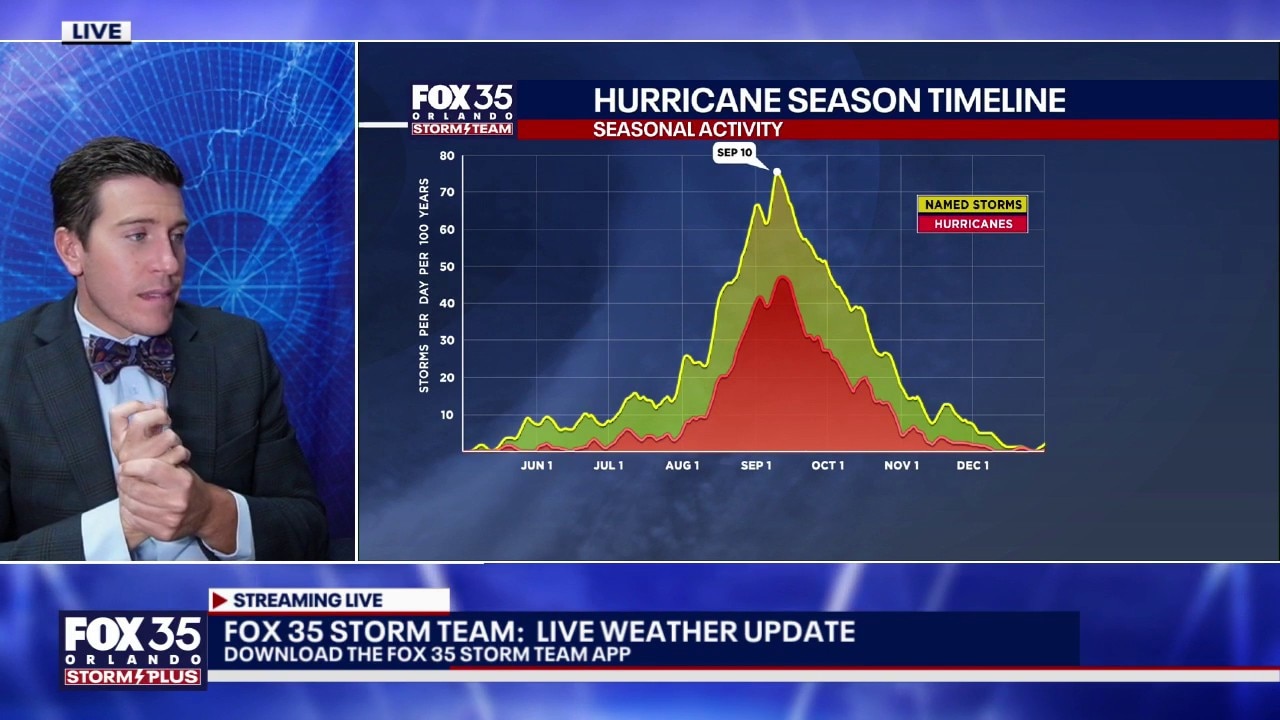
The Atlantic hurricane season runs from June 1 to November 30 each year. The most active months are typically August, September, and October.
The season has to peaks: mid-September, and a smaller peak in October.
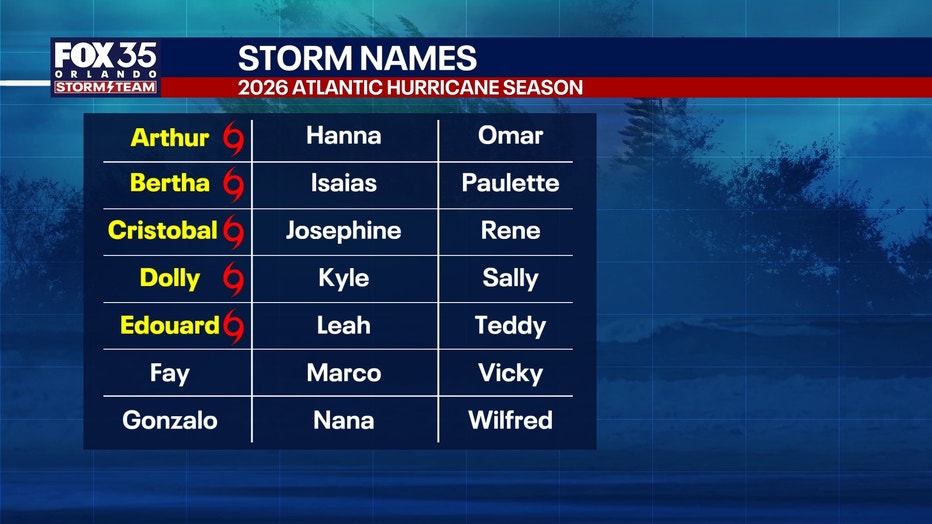
So far, we've had five tropical storms this season:
- Tropical Storm Arthur
- Tropical Storm Bertha
- Tropical Storm Cristolbal
- Tropical Storm Dolly
- Tropical Storm Edouard
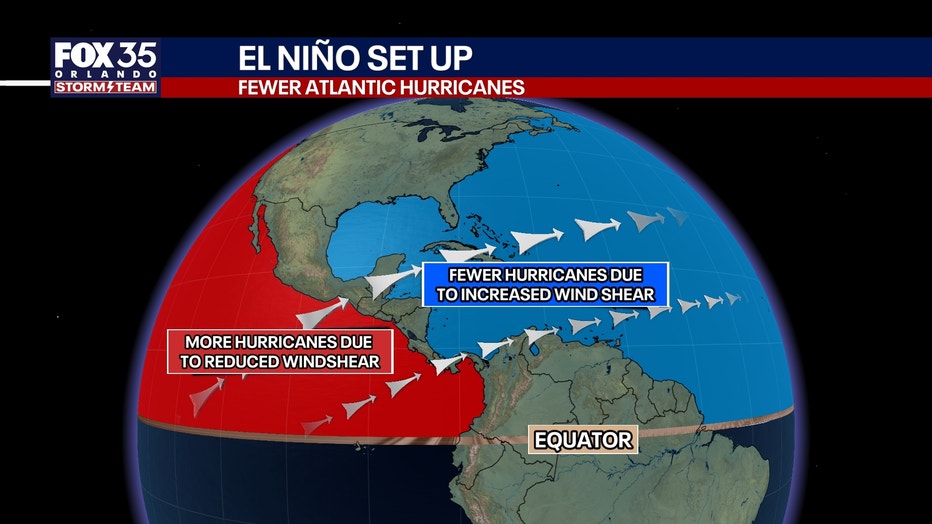
Why have there been so few tropical storms and no hurricanes?
Local perspective:
It's because of an extremely strong El Niño weather pattern, which means hotter water surface temperatures in the Pacific, which can increase wind shear in the Atlantic, which limits tropical development.
The Source: This story uses information from the National Hurricane Center, National Weather Service, and FOX 35 meteorologist Noah Bergren.