

Dengue fever: 3 cases in Orange County; 152 local cases in Florida
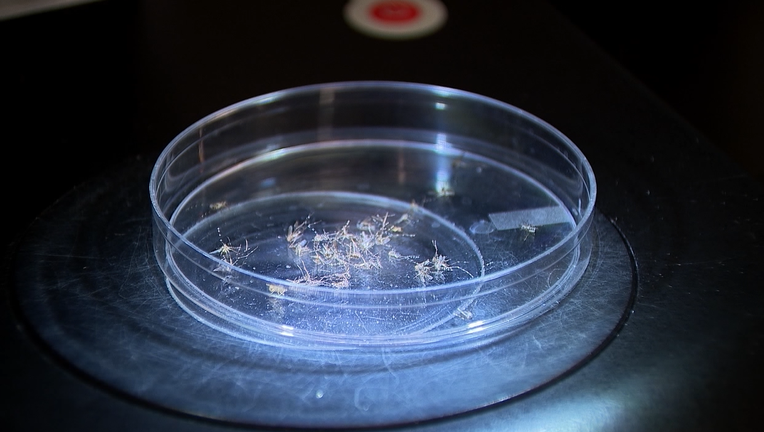
ORANGE COUNTY, Fla. - There have been two more locally-acquired cases of dengue fever reported in Orange County, bringing the county total for the year to three, according to the Florida Department of Health and the Orange County Mosquito Control.
County officials have now issued a mosquito alert and plan to target more areas with mosquito spray to reduce mosquito populations.
New dengue cases reported in Orange County
What we know:
Officials said the two most recent cases were acquired in the Apopka area.
What we don't know:
Officials did not release specifics on the individuals who acquired the illness.
More targeting mosquito spraying in Orange County
What they're saying:
"We are conducting targeted control measures and enhanced surveillance in Pine Hills, Apopka, and throughout Orange County," said Steve Harrison, manager of Orange County Mosquito Control.
"While CDC guidance calls for targeted treatment of areas of concern, we are taking additional measures. Given the increased Dengue Fever cases we are seeing in other parts of Florida, we want to be proactive to reduce the risk of further local transmission in Orange County."
By the numbers:
According to the Florida Department of Health's latest arbovirus surveillance weekly report, which runs Sept. 6-12:
- 41 new cases of locally-acquired dengue in Florida; 152 cases reported year to date
- 26 new cases of international travel-related cases of dengue; 186 cases reported year to date
What is dengue?
Dig deeper:
Dengue is a virus spread through bites from two species of mosquitoes, Aedes aegypti and Aedes albopictus, according to Florida health officials. Both are found in Florida.
When someone is infected, it can lead to dengue fever, a sometimes painful, debilitating disease. While rare, if symptoms are left untreated, it can be deadly.
Dengue fever symptoms
Symptoms typically appear 3-14 days after being bitten by an infected mosquito, and usually last 4-7 days. Symptoms are similar to those of influenza and other viruses:
- Sudden fever
- Severe headache
- Eye pain
- Muscle and joint pain
- Bleeding
- Vomiting and diarrhea
Can it be deadly?
Dengue hemorrhagic fever, a more severe form of dengue, is rare, but can be deadly if not recognized and/or treated with supportive care, according to the Florida Department of Health's website.
Treatment
There is no treatment for dengue fever or dengue hemorrhagic fever. However, people should manage symptoms and complications.
Tips for avoiding mosquito bites
What you can do:
There are a number of mosquito-borne illnesses found in Florida, including West Nile, Eastern equine encephalitis, St. Louis encephalitis, as well as travel-related illnesses, like chikungunya fever, dengue fever, malaria, yellow fever, and Rift Valley fever.
Health officials are urging residents to take steps to prevent mosquito bites:
- Use insect repellent on exposed skin or clothing
- Remove standing water to stop mosquitoes from breeding
- Keep doors, exterior windows closed
The Source: This story uses information from news releases issued by both the Florida Department of Health in Orange County and Orange County Mosquito Control, as well as information on Dengue fever from DOH and the CDC.