

Fed holds key interest rate steady. Here's what It means for your wallet
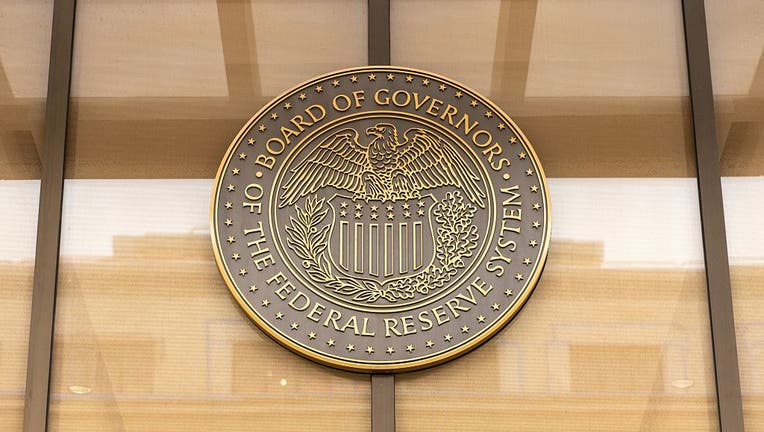
(Photo by Hu Yousong/Xinhua via Getty Images)
WASHINGTON - The Federal Reserve voted 9-3 to leave the key interest rate unchanged on Wednesday, though markets widely expect policymakers to approve a rate hike at their next meeting in September.
The Fed’s rate-setting committee reached its decision after two days of deliberations, marking the fifth straight meeting at which the benchmark rate was kept at around 3.6%.
By the numbers:
Inflation has been stuck above the Fed's 2% target for more than five years. New Fed Chair Kevin Warsh told Congress earlier this month that he had "no tolerance’’ for elevated inflation. Warsh is presiding over his second policy meeting this week.
Overall, only 29% of Wall Street traders predict that the Fed will raise rates this week. But 76% foresee a rate hike in September. A month ago, only 59% of traders expected a September rate increase, according to the CME FedWatch tool.
Inflation has exceeded the Fed’s 2% target since early 2021 when the U.S. economy overheated as it roared back from COVID-19 lockdowns.
RELATED: Costco shoppers may be eligible for payout after email settlement. Here’s how to qualify
Inflation peaked at just over 9% in mid-2022 and began to drop in the face of 11 rate hikes by the Fed in 2022 and 2023. But progress has more or less stalled.
Big picture view:
Besides the Iran war, other factors adding to inflation pressure are President Donald Trump’s tariffs on foreign goods and a surge of investment in data centers to power artificial intelligence, which is driving up the cost of computer chips and equipment and electricity.
So-called core inflation – which excludes volatile food and energy prices – cooled in June, partly because apartment rents aren’t rising as fast as they had been. And a temporary drop in gasoline prices last month also helped contain overall inflation.
RELATED: Social Security August payment schedule: Here’s when recipients get their checks
How this impacts Americans
Why you should care:
The nation’s central bank doesn’t set the price of groceries, cars or homes directly. But it does influence how expensive it is to borrow money – and that can make a significant difference in what families pay each month.
Right now, borrowing is costly. High interest rates mean larger monthly payments on mortgages, car loans and credit cards, even if the price of a home or vehicle hasn’t changed.
That strain is especially visible in the housing and auto markets, two of the biggest expenses for most households. A home or car may cost about the same as it did a year ago, but the loan attached to it can add hundreds of dollars to the monthly bill. In many cases, consumers are paying more not because the asset itself has become pricier, but because borrowing has.
The Source: The Associated Press contributed to this report. This story was reported from Los Angeles.