

Life on the moon? NASA unveils its 3-phase plan timeline to build a permanent moon base
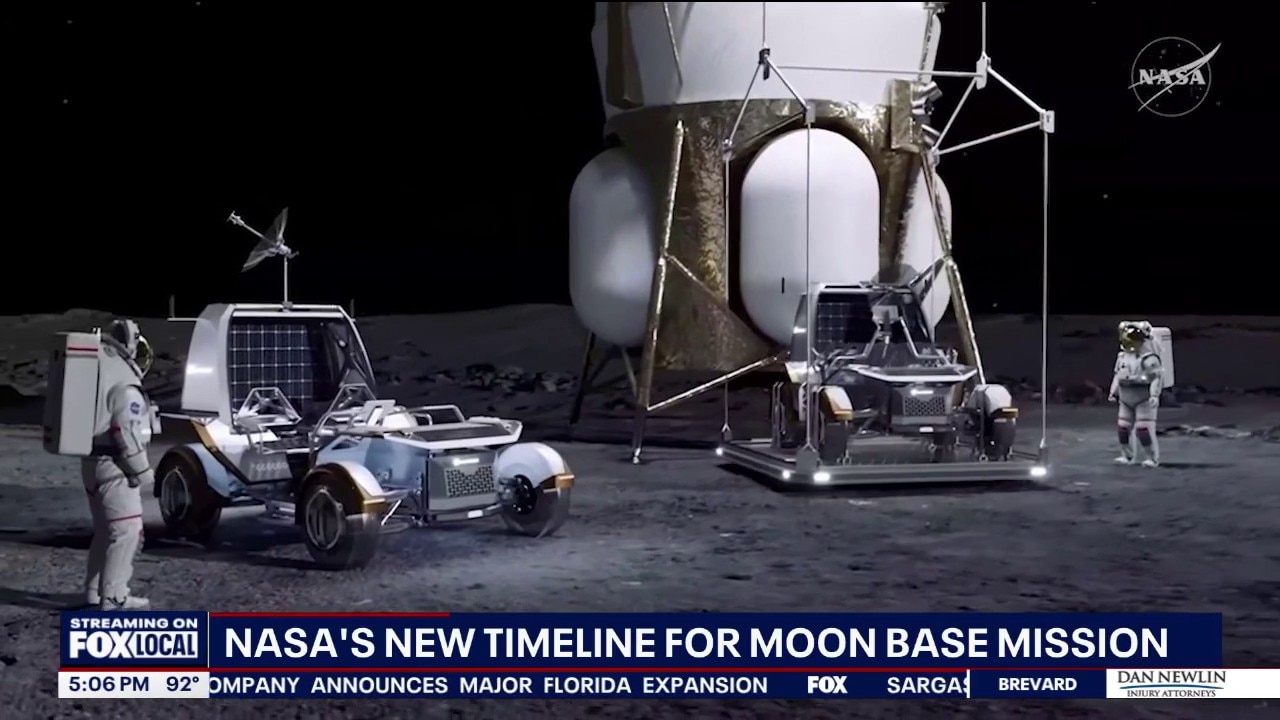
NASA unveils timeline for future moon base
NASA on Tuesday outlined plans for a long-term moon base that would support astronauts living and working on the lunar surface as part of the Artemis program.
Following a successful Artemis II crewed lunar flyby mission, NASA is moving with full steam ahead with its endeavor to establish a permanent base on the moon. The Moon Base would function as a home base for all future Artemis missions, NASA leaders said.
Though NASA has several intermediate milestones to hit before lunar habitation can officially commence, the space agency unveiled phase one of its strategic roadmap – announcing that the first three foundational Moon Base missions are targeted for completion by the end of 2026.
"Our moon base will be home base for our Artemis crews," Dr. Lori Glaze, associate administrator for NASA's newly unified Human Spaceflight Mission Directorate, said. "It will encompass long-duration stays, expanded robotic and human capabilities, and an enduring presence on the lunar surface."
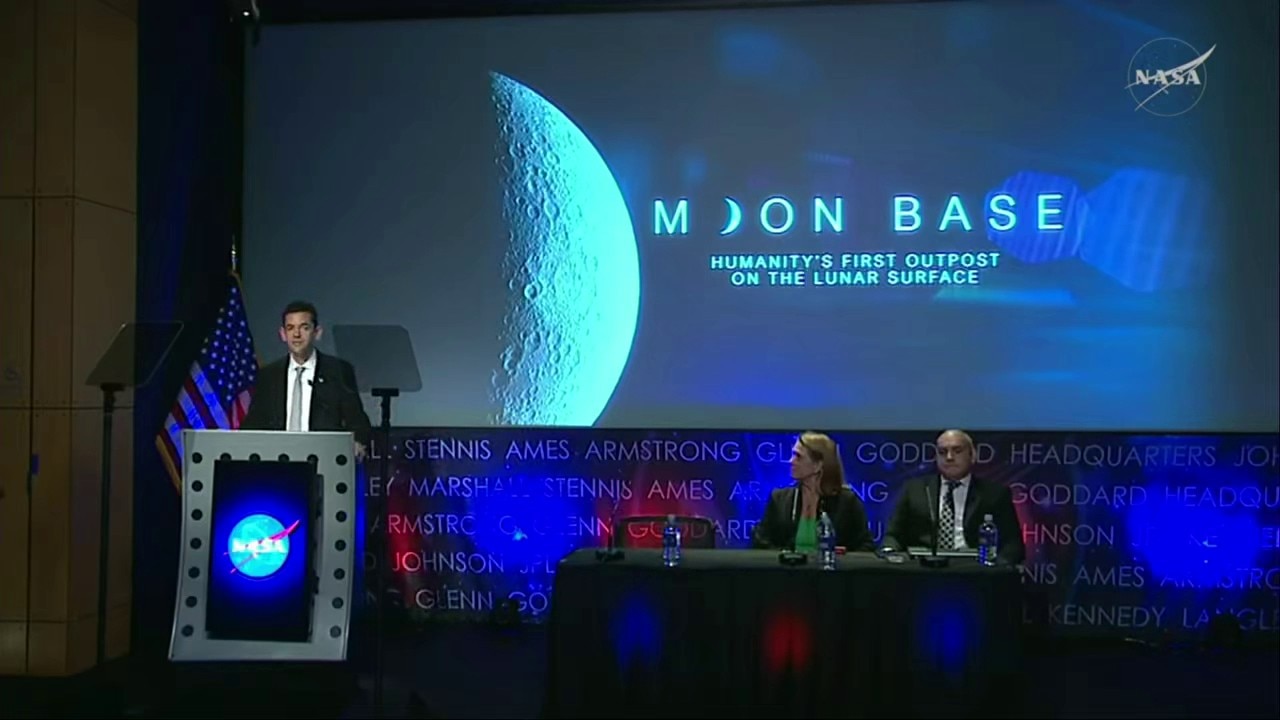
NASA unveils first 3 Moon Base missions
NASA administrator Jared Isaacman unveiled the first three of the planned 12 Moon Base missions. The first three missions are set to take place by the end of 2026.
What are NASA's Moon Base missions?
On Tuesday, May 26, NASA announced its first three out of over a dozen Moon Base missions, which will be completed by the end of 2026, NASA Administrator Jared Isaacman announced.
- Moon Base 1: This mission will be the first privately-funded lunar lander in history, Isaacman said. Blue Origin's Mark One Endurance Lander will deliver multiple payloads to the Shackleton Connecting Ridge – an area on the lunar South Pole. The mission will also demonstrate critical capabilities that reduce risk for the human landing system mission, Isaacman said. The target launch date is Fall of 2026.
- Moon Base 2: This mission will be the largest commercial payload ever delivered to the lunar surface, Isaacman said. Astrobotic's Griffin Lander will carry over 500 kilograms of cargo – including Astrolab's FLIP rover to the moon's surface. The mission will help support future lunar terrain vehicles, autonomous operations, logistics and the Lunar Terrain Vehicle (LTV) astronaut mobility. This mission is targeted to launch by the end of 2026.
- Moon Base 3: Through the mission, NASA hopes to expand its understanding of the lunar surface. Moon Base 3 will deliver the first payload through NASA's PRISM initiative – a program that brings together universities, researchers and industry through open competition to solve scientific questions, Isaacman said. The mission will study lunar swirls – one of life's most intriguing mysteries, the administrator said.
"Understanding why they exist can improve our understanding of how the lunar environment evolves, how surface materials change over time and how future infrastructure may perform in these extreme conditions," Isaacman said.
The missions will also deliver payloads from the European Space Agency and Korean Space Agency.
"The future of lunar exploration is an international effort," Isaacman said.
This mission is targeted to launch by the end of 2026.
Watch: Timeline of establishing a moon base
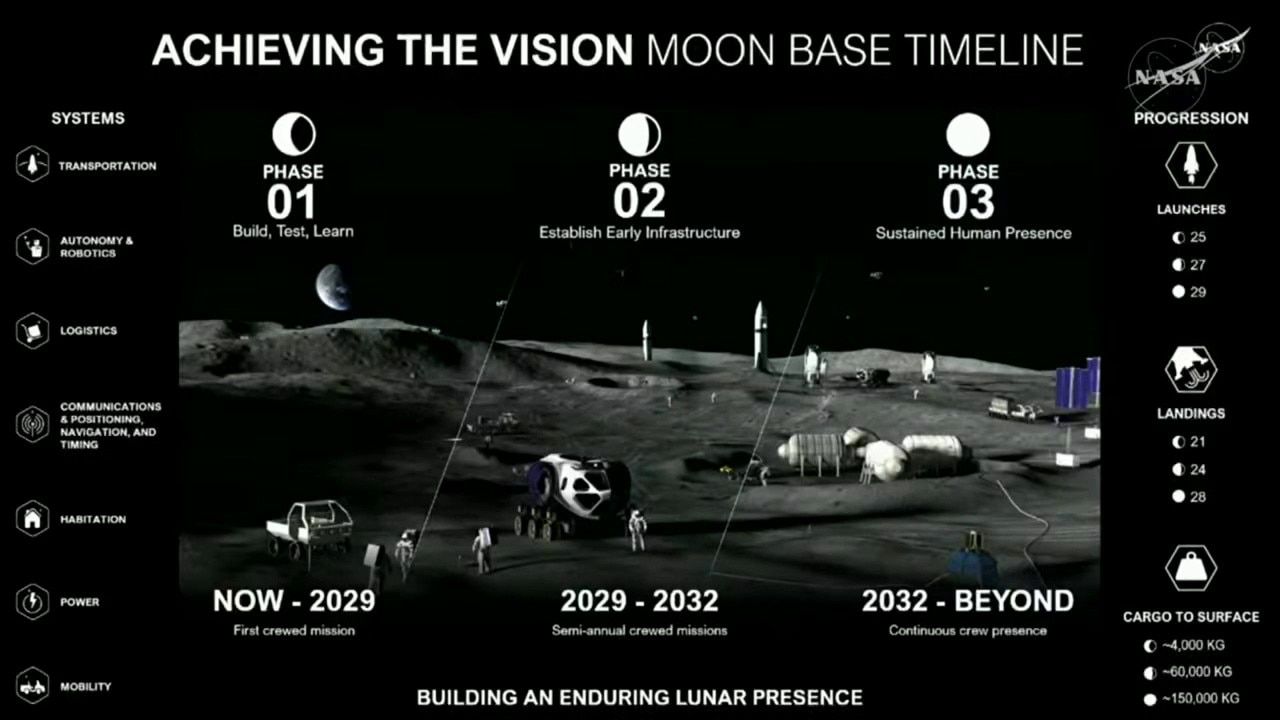
NASA's Moon Base Timeline: Phase 1
NASA is working toward inhabiting the moon by its Moon Base project. On May 26, the space agency unveiled its Phase 1 plans, including the number of launches and learning more about the lunar surface.
What is NASA's Moon Base project?
NASA's Moon Base timeline is separated into three phases.
- Phase 1: The first phase – with the initiative to build, test and learn – will include 25 launches, 21 landings and 4,000 kilograms in payloads delivered to the lunar surface. The phase is targeted from now to 2029.
- Phase 2: The second phase – with the initiative to establish early infrastructure – will include 27 launches, 24 landings and 60,000 kilograms in payloads delivered to the lunar surface. The phase – targeted from 2029 to 2032 – will work to build a permanent infrastructure on the moon.
- Phase 3: The third and last phase – with the initiative to sustain human presence – will include 29 launches, 26 landings and 150,000 kilograms in payloads delivered to the lunar surface. The phase – targeted from 2032 and beyond – will work to build permanent habitation on the moon.
The Moon Base is envisioned to be hundreds of square miles with different assets building up to a permanent lunar presence on the moon, Carlos García-Galán, program executive of the Moon Base, said.
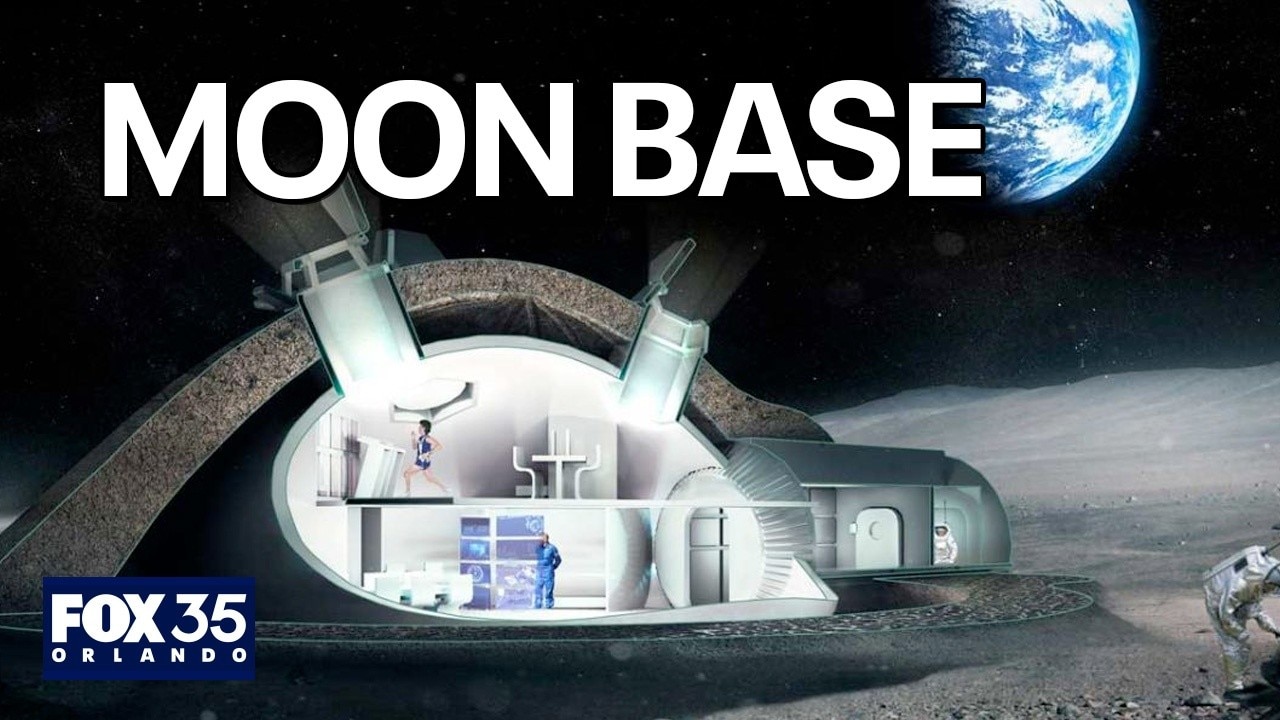
What NASA's moon base could mean for the new Space Race
Ken Kremer, Managing Editor for Space UpClose joins FOX 35's Garrett Wymer live via Zoom ahead of NASA's planned news conference to share new details on their plans for a permanent lunar base on the Moon's surface and the next slate of rocket launches and missions from NASA and the new-age Space Race.
From transportation to mobility: All about the rovers
NASA is developing an incredible new fleet of rovers tailored to the harsh lunar environment. Some of these high-tech vehicles will be capable of fully autonomous movement across the dusty terrain, while others are engineered to be driven directly by astronauts.
Rather than building everything in-house, NASA is leaning heavily on commercial partnerships. Private aerospace companies will build and deliver the rovers, landers, communication satellites, and specialized drones directly to the lunar surface, leaving them behind to build out the base infrastructure sequentially.
"We will not slow down," said NASA Administrator Jared Isaacman. "We are moving with the confidence and the purpose that only NASA is capable of achieving, and we are really just getting started."
The Source: Information in this story was gathered from the National Aeronautics and Space Administration.